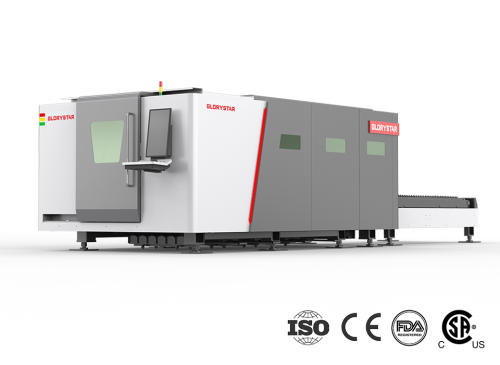
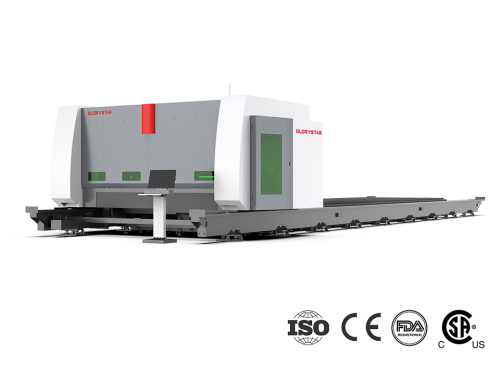
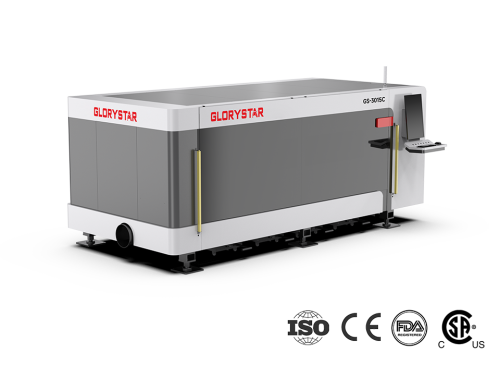
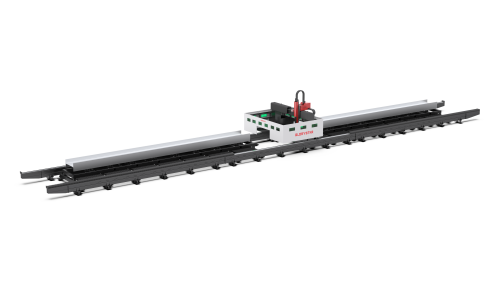
Across the United States, metal fabrication shops are facing a challenge that goes far beyond material costs or market demand. Orders may still be coming in, but skilled labor is becoming harder to find, harder to train, and harder to retain. For many shop owners, the question is no longer whether there is enough work, but whether there are enough people to do it. This reality is driving renewed interest in laser cutting for metal fabrication shops—not as a way to chase the latest technology trend, but as a practical response to long-term workforce constraints.
Labor shortages are reshaping fabrication operations
The skilled labor shortage in U.S. manufacturing is not a short-term disruption. Experienced machine operators are retiring faster than they can be replaced, while fewer young workers are entering the trade. At the same time, customer expectations around lead times and flexibility continue to increase.
For metal fabrication shops, this creates a structural problem. Traditional cutting processes often rely heavily on operator experience. Training new hires can take months, and productivity drops sharply when a key operator is absent. As labor becomes less predictable, these processes become risk points in the production flow.
Many shop owners now recognize that solving labor challenges is not only an HR issue—it is an operational one.
Why traditional cutting methods struggle with workforce constraints
Conventional cutting and punching systems were built around skilled manual operation. Setup, adjustments, and troubleshooting typically depend on operator judgment developed over years on the shop floor. While these methods can still be effective, they are increasingly difficult to scale in a tight labor market.
When skilled labor is scarce:
Training cycles become longer and more expensive
Productivity varies widely between operators
Overtime and schedule pressure increase
Shops hesitate to accept rush or short-run orders
These limitations are forcing fabrication shops to rethink how much their cutting processes depend on individual experience rather than standardized systems.
Laser cutting as a workforce optimization tool
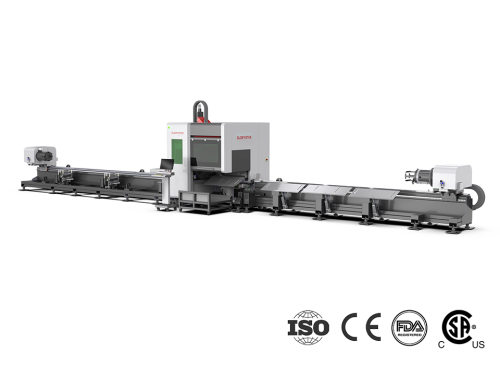
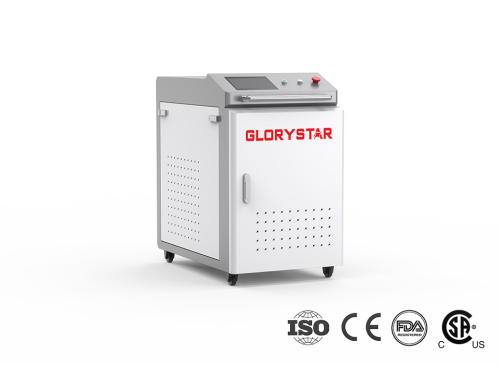
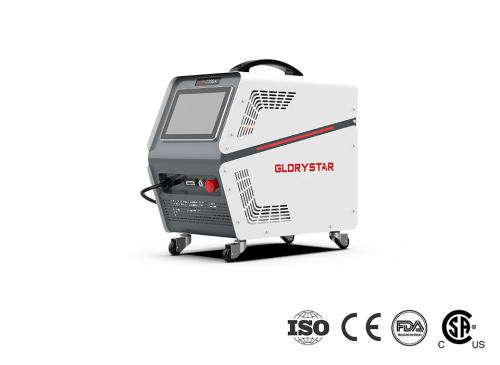
The growing adoption of laser cutting for metal fabrication shops is closely tied to its impact on labor structure. Modern laser cutting systems are designed to reduce complexity at the operator level while maintaining consistent results.
From a workforce perspective, laser cutting offers several advantages:
Faster operator onboarding due to intuitive controls and standardized workflows
Reduced dependence on highly specialized skills for daily operation
Consistent cutting quality regardless of shift or operator experience
Greater potential for one operator to manage multiple processes
Instead of relying on a small number of highly skilled individuals, shops can distribute work more evenly across teams.
Automation reduces manual involvement where it matters most
Automation plays a critical role in how laser cutting supports labor-constrained environments. Features such as automatic material handling, intelligent nesting, and process monitoring help minimize manual intervention during production.
For many metal fabrication shops, this enables:
More stable night or low-staff shifts
Less physical strain on operators
Fewer interruptions due to setup or rework
Higher utilization of available labor hours
Importantly, automation does not eliminate the need for people. It changes how people contribute—shifting focus from repetitive manual tasks to supervision, quality control, and scheduling.
Real-world shop scenarios driving adoption
In small and mid-size fabrication shops across the U.S., laser cutting is often introduced not as a replacement for existing equipment, but as a stabilizing element in the workflow.
A common scenario looks like this:
A limited team supports multiple production steps
One laser cutting system becomes the most predictable operation on the floor
Other processes are scheduled around its output
Lead times become easier to manage, even with fewer staff
In these environments, laser cutting helps reduce operational risk caused by labor variability.
Avoiding the misconception of“ unmanned production ”
It is important to clarify that laser cutting is not a shortcut to fully unmanned manufacturing. Successful shops approach it as a way to lower skill dependency, not remove people entirely.
Effective implementation depends on:
Matching machine configuration to real production needs
Ensuring operators are trained to manage the system, not fight it
Integrating laser cutting into existing workflows gradually
Shops that view laser cutting as a workforce support tool—rather than a labor replacement—tend to see the strongest long-term results.
Choosing systems designed for shop-floor realities
As interest in laser cutting for metal fabrication shops continues to grow, equipment selection is increasingly influenced by operational simplicity rather than raw specifications.
Many U.S. fabrication shops now prioritize:
User-friendly control interfaces
Reliable performance across mixed production runs
Automation options that scale with staffing levels
Service and support that minimize downtime
Manufacturers designing systems with these priorities in mind are better aligned with the realities facing today’s fabrication workforce.
Preparing for the next generation of operators
Labor challenges are unlikely to ease in the near future. For metal fabrication shops, investing in equipment that supports easier training and more flexible staffing is becoming part of long-term planning.
Laser cutting systems that emphasize usability, consistency, and automation help bridge the gap between experienced operators and the next generation entering the trade. In this sense, laser cutting is not just a production upgrade—it is a workforce strategy.
As labor constraints continue to shape the industry, laser cutting for metal fabrication shops will remain a key tool for maintaining productivity, meeting customer expectations, and building more resilient operations.