Introduction
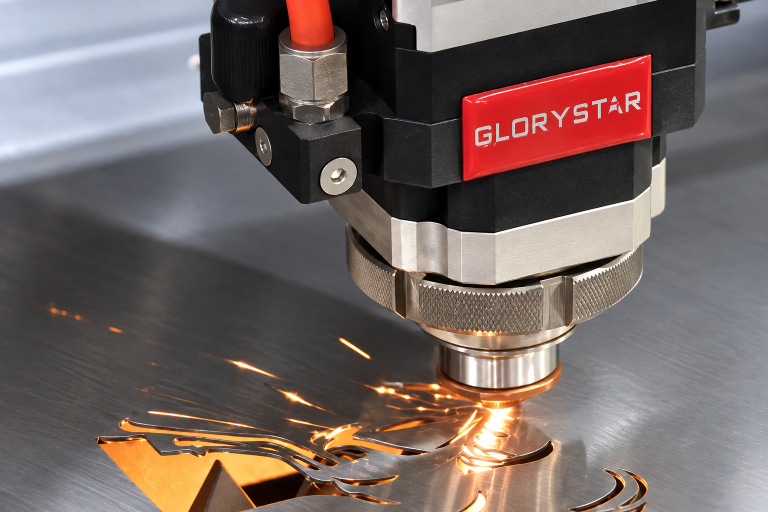
When businesses start exploring metal fabrication equipment, one of the first questions they ask is laser cutting machine cost. At first glance, it seems simple—just compare prices from different suppliers. However, the real investment goes far beyond the initial purchase price.
Understanding the full investment in a laser cutting machine is essential for manufacturers, workshop owners, and entrepreneurs who want to avoid unexpected expenses and calculate real profitability. In this guide, we will break down not only the machine price, but also the long-term operating expenses that many buyers often overlook.
What Determines Laser Cutting Machine Cost?
The cost of a laser cutting machine varies widely depending on several key factors. There is no fixed price because each machine is configured differently based on production requirements.
1. Laser Power
One of the biggest cost drivers is laser power. Machines can range from 1kW to 30kW or higher.
Lower power machines = lower cost, suitable for thin sheets
Higher power machines = higher cost, capable of cutting thicker materials faster
Generally, as power increases, the overall investment rises significantly.
2. Machine Size and Work Area
A larger cutting bed means higher structural requirements and more material usage during manufacturing.
Standard size: 3000mm × 1500mm
Larger industrial sizes available for high-volume production
The larger the machine, the higher the total equipment cost.
3. Laser Source Type
The laser source is the core component of the machine and strongly affects pricing.
High-performance sources offer better stability and longer lifespan
Lower-cost options reduce initial investment but may affect long-term reliability
This choice significantly impacts both the initial price and long-term operating expenses.
Hidden Factors Behind Laser Cutting Machine Cost
Many buyers only focus on the purchase price, but the real cost of a laser cutting machine includes daily operation and maintenance.
1. Electricity Consumption
High-power fiber laser systems consume significant electricity, especially during continuous production.
You must consider:
Laser power consumption
Cooling system operation
Air compressor and auxiliary systems
Over time, electricity becomes a major part of the total operating cost.
2. Gas Consumption
Assist gases such as oxygen, nitrogen, and compressed air are essential for cutting different materials.
Nitrogen is commonly used for stainless steel
Oxygen is used for carbon steel
Consumption increases with material thickness and cutting speed
Gas cost is often underestimated but plays a major role in overall running expenses.
3. Consumable Parts
Every laser cutting system requires regular replacement of consumables:
Nozzles
Protective lenses
Ceramic rings
Filters
Although each item is not expensive individually, frequent replacement makes consumables a continuous expense over time.
4. Maintenance and Downtime
Maintenance is another hidden factor. Even a small failure can stop production.
Lens contamination
Cooling system issues
Calibration or system errors
Downtime not only increases repair costs but also causes production delays, which indirectly increases the total cost of ownership.
Operating Cost vs Purchase Price
Many buyers make the mistake of comparing only initial prices. However, the real decision should be based on total cost of ownership (TCO).
A cheaper machine may have:
Higher energy consumption
More frequent maintenance
Lower cutting efficiency
This means the long-term laser cutting machine cost could be much higher than expected.
On the other hand, a more stable and efficient machine may have a higher purchase price but significantly lower operating expenses.
How to Reduce Laser Cutting Machine Cost
If you want to optimize your investment, there are several practical strategies to reduce the overall laser cutting machine cost:
1. Choose the Right Power Level
Do not overbuy power. Many workshops do not need ultra-high power systems.
2. Optimize Cutting Parameters
Proper settings reduce gas usage and improve cutting efficiency.
3. Use Stable Machine Systems
Higher-quality systems reduce breakdown risks and downtime costs.
4. Improve Operator Training
Skilled operators reduce material waste and increase productivity.
Is Laser Cutting Machine Cost Worth It?
Despite the investment, laser cutting technology remains one of the most efficient and profitable solutions in modern manufacturing.
When properly managed, the laser cutting machine cost is quickly offset by:
Faster production speed
Lower labor requirements
High precision and reduced waste
Ability to handle complex designs
For many manufacturers, the return on investment can be achieved within a relatively short period.
Conclusion
The true laser cutting machine cost is not just the purchase price—it is a combination of equipment, operation, maintenance, and efficiency.
Before investing, businesses should evaluate both short-term and long-term costs to make a more accurate decision. A well-chosen machine not only reduces hidden expenses but also improves productivity and profitability over time.