In recent years, reshoring manufacturing has become one of the biggest trends in the global industrial market. More manufacturers are moving production back to the United States instead of relying entirely on overseas factories. Rising transportation costs, supply chain disruptions, labor shortages, and the need for faster delivery are all changing the way companies think about manufacturing.
For many businesses, reshoring manufacturing is no longer only about reducing risk. It is also about improving production efficiency, increasing flexibility, and responding faster to customer demand. As a result, modern manufacturing facilities are investing heavily in automation, smart production systems, and advanced laser technologies to stay competitive.
Today, companies that bring production back to the U.S. are not trying to build factories the same way they did ten years ago. Instead, they are building smarter factories designed for higher efficiency, stable quality, and lower dependence on manual labor.
Why Manufacturers Are Reconsidering Overseas Production
For decades, many manufacturers moved production overseas to reduce labor costs. However, global manufacturing conditions have changed significantly in recent years.
Shipping delays, unstable supply chains, rising freight costs, and geopolitical uncertainty have exposed the risks of depending too heavily on overseas production. Many businesses discovered that even small disruptions could delay orders for weeks or even months.
At the same time, customer expectations are changing. Buyers now expect:
Faster delivery times
More flexible production
Stable product quality
Faster response to custom orders
These pressures are pushing companies to rethink their production strategies. By reshoring manufacturing to the U.S., businesses can shorten supply chains, improve communication efficiency, and reduce the risks associated with international shipping.
Local production also gives manufacturers better control over scheduling and inventory management. Instead of waiting for overseas shipments, businesses can respond more quickly to market demand and production changes.
Labor Shortages Are Accelerating Manufacturing Changes
Although reshoring manufacturing offers many advantages, it also creates new challenges. One of the biggest problems facing U.S. manufacturers today is labor shortages.
Many factories struggle to find experienced welders, machine operators, and fabrication technicians. Skilled manufacturing workers are becoming harder to recruit, while labor costs continue to increase year after year.
Younger workers are also less interested in traditional factory jobs that involve repetitive manual tasks. As a result, manufacturers are searching for ways to maintain productivity with fewer workers.
This is one reason why manufacturing automation is becoming essential in modern production facilities.
Automated systems help manufacturers:
Reduce dependence on manual labor
Improve production consistency
Increase production speed
Reduce operational errors
Improve long-term efficiency
Instead of relying entirely on labor-intensive production methods, more companies are investing in automated cutting, welding, and material handling technologies.
Why Automation Matters in Reshoring Manufacturing
Automation plays a major role in making reshoring manufacturing economically practical. Without automation, many U.S. factories would struggle to compete with lower overseas labor costs.
Modern automated manufacturing systems can significantly improve production efficiency while reducing operating costs. In metal fabrication, automation is especially important because manufacturers often need to process large volumes of material with consistent quality.
Automated production systems can include:
Automatic loading and unloading
Intelligent material handling
CNC-controlled cutting systems
Robotic welding solutions
Smart production monitoring
These technologies help manufacturers maintain stable production even with limited labor resources.
Automation also improves flexibility. Manufacturers can process different materials, thicknesses, and custom orders more efficiently without slowing down production.
As reshoring manufacturing continues to grow, factories that invest in automation will have a major competitive advantage in the future market.
How Fiber Laser Technology Supports Modern Manufacturing
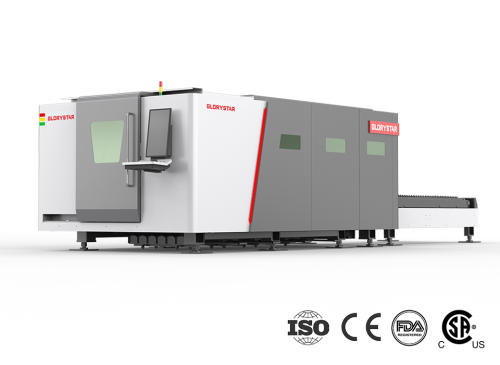
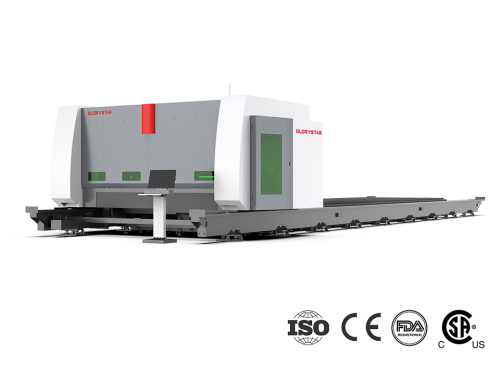
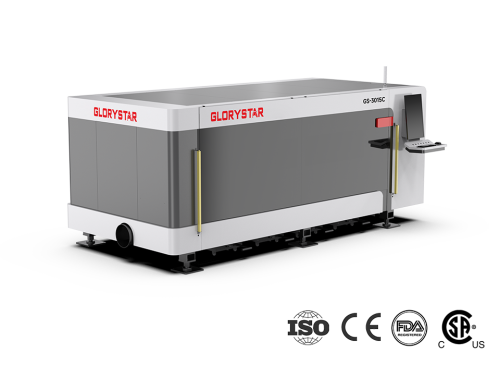
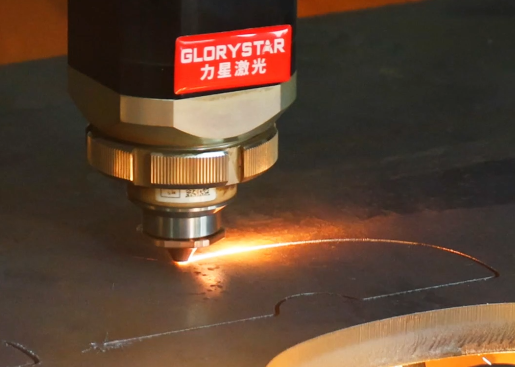
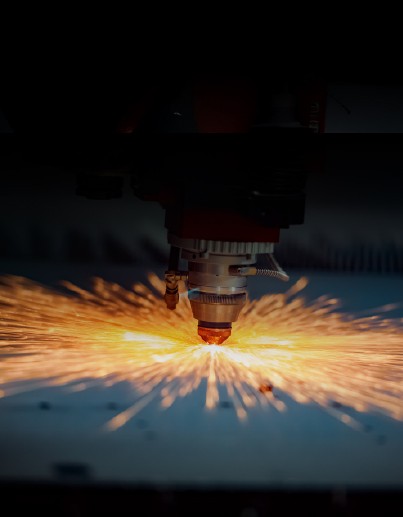
Fiber laser technology has become one of the most important tools in modern metal fabrication. Compared with traditional processing methods, fiber laser systems offer faster cutting speeds, higher precision, and better production efficiency.
For companies focused on reshoring manufacturing, fiber laser technology helps solve several important production challenges:
Reducing labor requirements
Improving cutting consistency
Increasing production speed
Lowering material waste
Supporting automated production
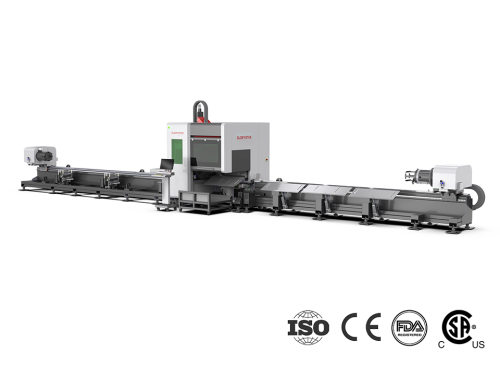
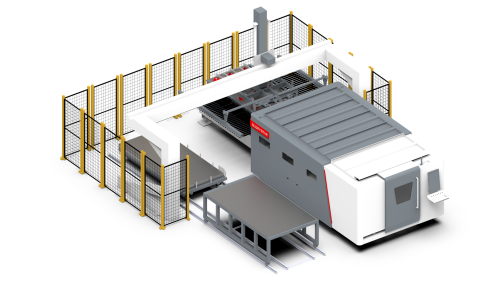
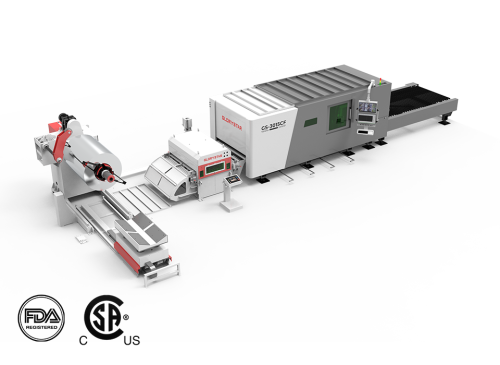
High-power fiber laser cutting machines can process stainless steel, carbon steel, aluminum, and other materials with excellent precision and edge quality. Modern laser systems are also easier to integrate with automated production lines.
Many manufacturers are now combining:
Fiber laser cutting
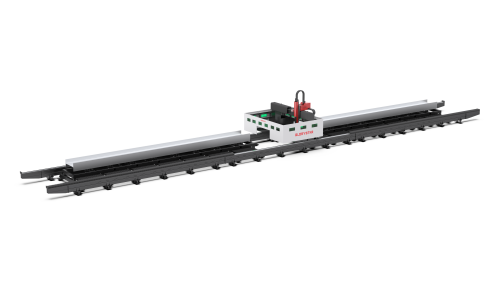
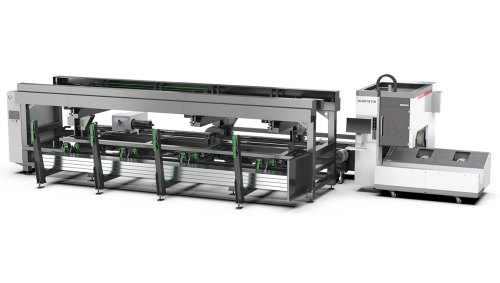
Tube laser processing
Automated loading systems
Smart production management
to create more efficient fabrication environments.
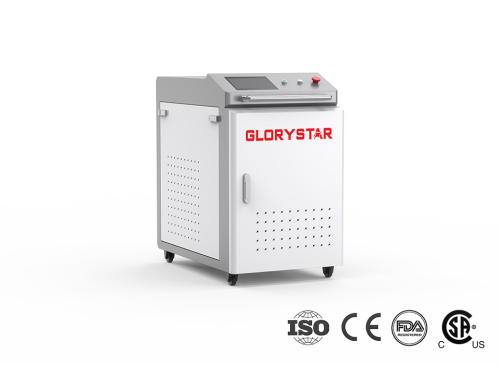
Laser welding technology is also becoming increasingly popular because it reduces heat distortion, improves weld appearance, and requires less post-processing compared with traditional welding methods.
As manufacturing competition increases, companies are looking for technologies that improve both productivity and long-term operational stability. Fiber laser systems are becoming a key part of that transition.
Why Local Support Matters More Than Ever
As more companies invest in advanced manufacturing equipment, reliable technical support becomes increasingly important.
Downtime can be extremely expensive in modern manufacturing environments. If equipment stops running, production delays can quickly affect delivery schedules and customer satisfaction.
Because of this, manufacturers are paying more attention to:
Spare parts availability
Technical response speed
Local engineering support
Installation efficiency
Maintenance services
Companies involved in reshoring manufacturing often prefer equipment suppliers that can provide local service and faster support when needed.
Reliable after-sales support helps manufacturers reduce downtime, maintain stable production, and improve long-term operational confidence.
The Future of Reshoring Manufacturing
The future of reshoring manufacturing is closely connected to automation, smart production, and advanced manufacturing technology.
As labor costs continue to rise and supply chains remain unpredictable, more companies will continue moving production closer to their customers. However, modern reshoring is not simply about reopening traditional factories. It is about building smarter, more efficient manufacturing systems.
Future manufacturing facilities will increasingly focus on:
Automation
Production flexibility
Energy efficiency
Faster delivery
Intelligent manufacturing systems
For the metal fabrication industry, fiber laser technology will continue playing an important role in improving production efficiency and helping manufacturers remain competitive in a rapidly changing market.
Companies that successfully combine reshoring manufacturing with automation and modern laser technology will be better positioned for long-term growth in the years ahead.