Running a job shop is different from running a factory built around one product. The work changes with the customer, which is why choosing the right laser cutter for job shops can be challenging. A batch of stainless steel parts may be followed by carbon steel brackets, then a short order in aluminum. Quantities can change just as quickly. Some jobs take up most of a shift, while others are finished before the next order is ready.
That is why buying a laser cutter for job shops can be harder than it first appears. There is no single material, thickness, or production volume to build the decision around. A machine that works well for one shop may be a poor fit for another, even if both are cutting metal every day.
The first thing worth looking at is the work already coming through the shop.
Look at the Orders Before Looking at the Machine
A few months of production records can tell a lot more than a machine brochure.
If most of the shop's work is thin stainless steel and mild steel, there may be little reason to invest heavily in equipment designed mainly for thick plate. If thicker carbon steel jobs are becoming more common, however, having more cutting capacity can make a difference.
The same applies to sheet size. A shop producing small brackets, covers, panels, and general fabrication parts may rarely need a very large working area. Another shop may regularly receive large sheets and find a standard machine restrictive.
There is no advantage in paying for capacity that sits unused on the shop floor.
Power Is Only Part of the Decision
Laser power gets a lot of attention when machines are compared, partly because it is easy to put different machines side by side by wattage.
But a 12 kW machine is not automatically a better choice than a 6 kW machine for every job shop.
What matters is how often that additional power will actually be used. If thick material represents only a small part of the workload, the extra capacity may not have much effect on everyday production. If the shop is regularly asked to process thicker carbon steel, the situation is very different.
A good laser cutter for job shops should have enough capacity for the materials the business handles regularly, with some room for the work it expects to take on next.
The Material Mix Can Change Quickly
Job shops often cannot predict their workload as accurately as a manufacturer producing its own products.
A new customer can bring an entirely different material into the shop. A fabrication company may suddenly need stainless steel parts instead of carbon steel. Another customer may require aluminum components in relatively small quantities.
This is where a fiber laser can be useful. One machine can cover a broad range of general metal-cutting work without requiring the shop to build a separate cutting process around every material.
Of course, the actual thickness range still matters. A machine should be matched to the materials the shop expects to process, rather than simply being selected because it can cut a long list of metals.
Job Changes Are Part of the Business
There is another issue that is easy to overlook when looking at cutting specifications: how often the machine has to move from one job to another.
A job shop may finish one customer's parts and immediately start another order. The material changes. The drawing changes. The quantity changes. Sometimes the next job is completely unrelated to the previous one.
This makes the surrounding workflow important.
Programming, material preparation, loading, cutting, and removing finished parts all take time. A machine that performs well but is difficult to work with between orders can still create delays during a busy shift.
For that reason, choosing a laser cutter for job shops is not simply a matter of comparing cutting speeds. The machine has to fit the way the shop actually operates.
A Larger Machine Isn't Always the Better Machine
Floor space can become a surprisingly important issue for smaller fabrication businesses.
A large-format machine may be useful when oversized sheets are a regular part of production. But if most customer orders fit comfortably within a standard working area, the additional size may bring little practical benefit.
The same goes for automation.
A shop processing large volumes of sheet metal may have a strong reason to automate loading and unloading. A shop handling short runs and frequent changes may have different priorities.
There is no universal level of automation for a job shop. It depends on where the time is actually being spent.
Leave Some Room for the Next Customer
The machine still has to make sense several years from now.
A shop may start with relatively straightforward sheet-metal work and gradually move into thicker materials or larger components as its customer base develops. Buying equipment with no room for that change can create another investment sooner than expected.
At the same time, buying far beyond the shop's realistic needs ties up money in capacity that may rarely be used.
This is where a laser cutter for job shops needs to be considered as part of the business, not just as another piece of equipment. The question is not what the machine can do in the most extreme application. It is what the machine can handle consistently across the jobs that make up the shop's business.
What Should a Job Shop Compare?
Once the actual workload is clear, the machine comparison becomes much more straightforward.
Start with the materials and thicknesses that appear most often. Then look at sheet sizes, typical order quantities, and how frequently production changes from one job to another.
From there, power, working area, machine configuration, automation, and other specifications can be compared against those requirements.
A shop producing large batches of a narrow range of parts may choose differently from one handling dozens of small orders every week. Neither approach is wrong. What matters is whether the machine can keep up with the materials, thicknesses, sheet sizes, and changing orders that make up the shop's actual workload.
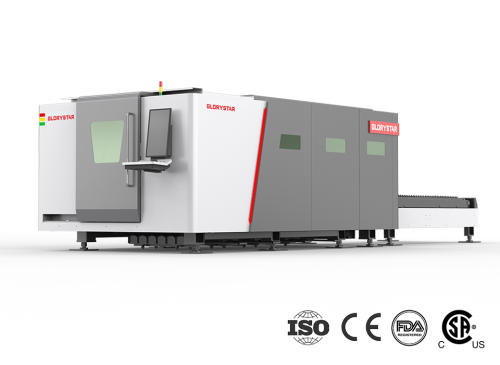
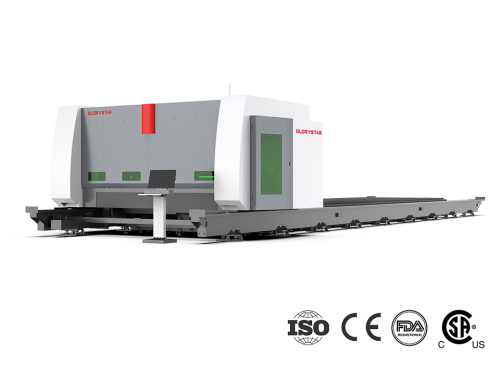
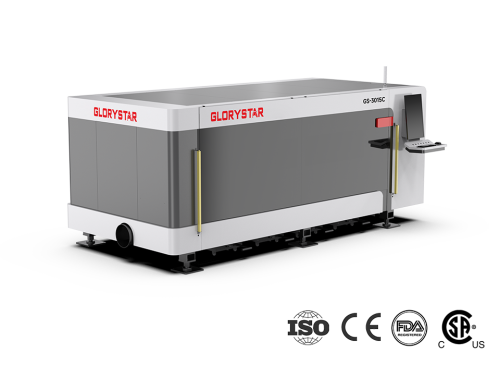
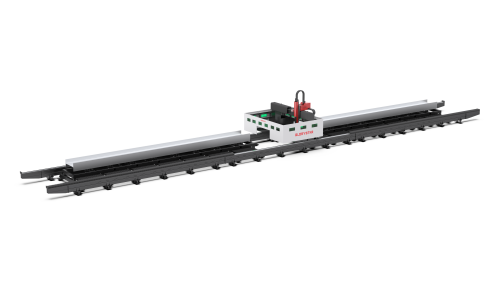
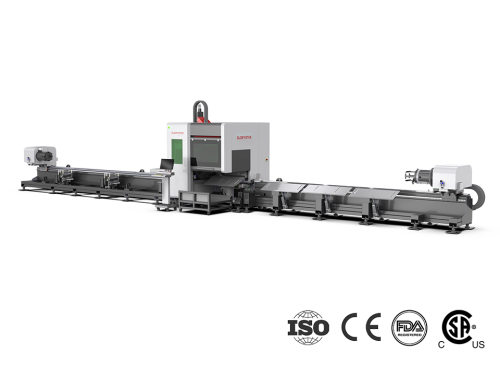
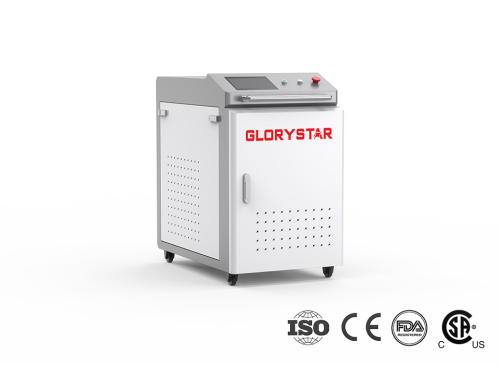
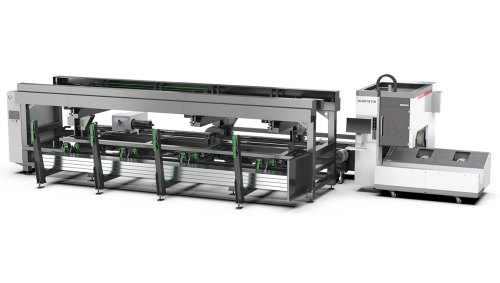
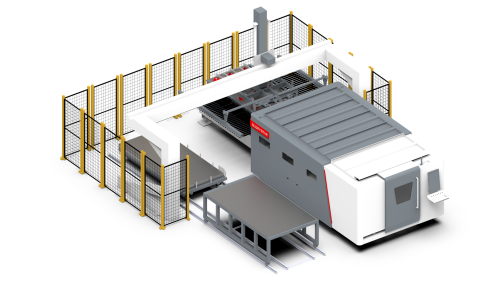
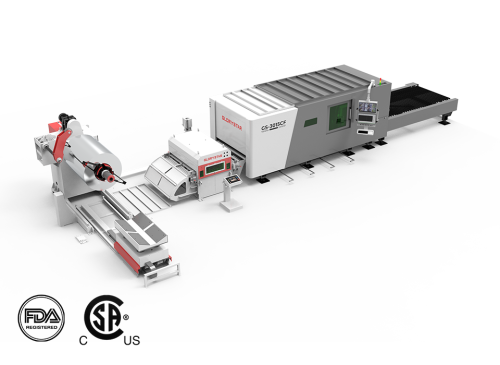
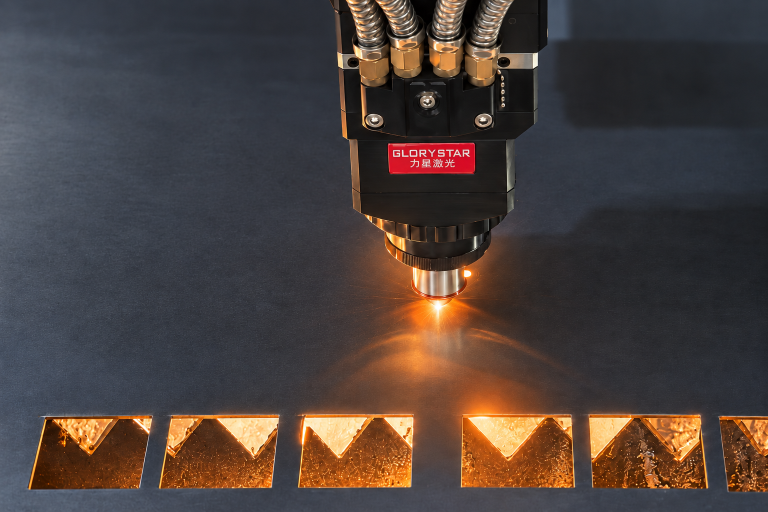
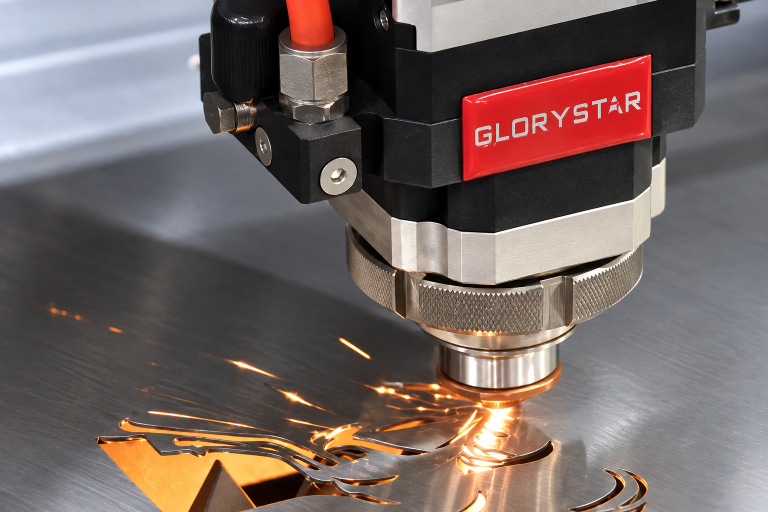
For job shops looking for one machine to handle a broad range of metal-cutting work, Glorystar fiber laser cutting machines are built around this kind of production flexibility. Different power levels, working areas, and machine configurations allow shops to choose equipment according to the materials and applications they handle, from everyday sheet-metal work to more demanding cutting jobs. A laser cutter for job shops should not be chosen simply for its maximum specifications. It should be a machine that fits the shop's current production and gives it enough flexibility to take on the next order.