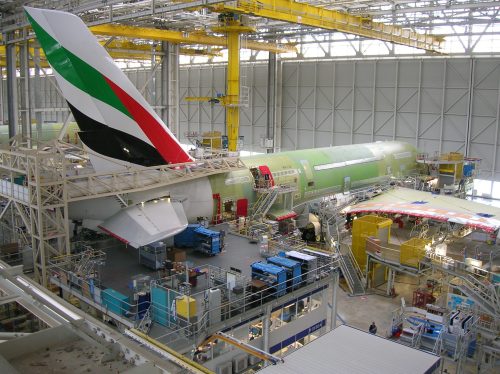
Shipbuilding metal fabrication involves a lot more than cutting large pieces of steel. Before a component can be installed, it may need to be cut to size, checked against a drawing, prepared for welding, and fitted with other parts. If something is wrong at the beginning, the problem can follow the job through several stages of production.
For companies working in shipbuilding metal fabrication, this can be a costly headache. A part that needs a little extra grinding may not seem like a big deal, but multiply that work across hundreds of components and the hours start to add up. When an order has a tight deadline, even small delays can affect the work that follows.
Getting the Parts Right the First Time
Steel plate cutting is often one of the first major steps in the process. The machine may finish a batch on schedule, but that does not necessarily mean the parts are ready for assembly.
Workers still need to check dimensions, remove unwanted burrs, and make sure the pieces match the drawings. If holes are out of position or edges need more work than expected, someone has to stop and correct them. The cutting machine may already be working on the next order, while the previous batch remains unfinished.
This is particularly frustrating when the same problem appears across a large number of parts. A few minutes spent correcting one component can turn into hours of extra work over an entire batch.
That is why fabricators pay attention not only to cutting speed but also to consistency. A suitable cutting process, stable material positioning, and accurate programming can all help produce parts that need less correction before moving to the next stage.
Choosing the Right Process for Steel Plate
The type of work a shop handles makes a real difference when choosing cutting equipment. A company producing brackets, mounting plates, and components with detailed outlines may have different priorities from one that regularly processes very thick steel plate.
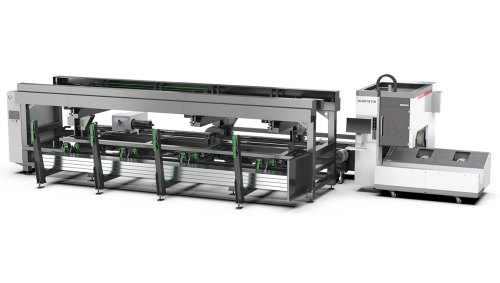
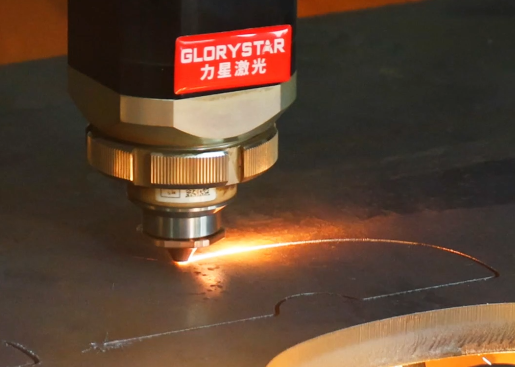
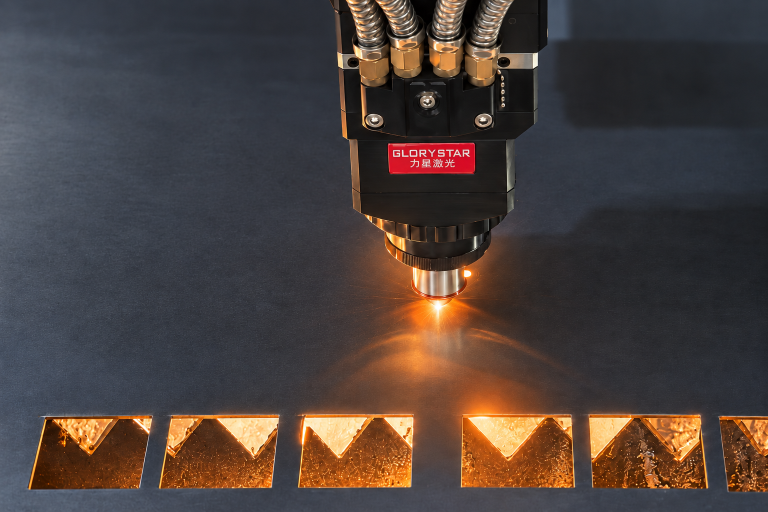
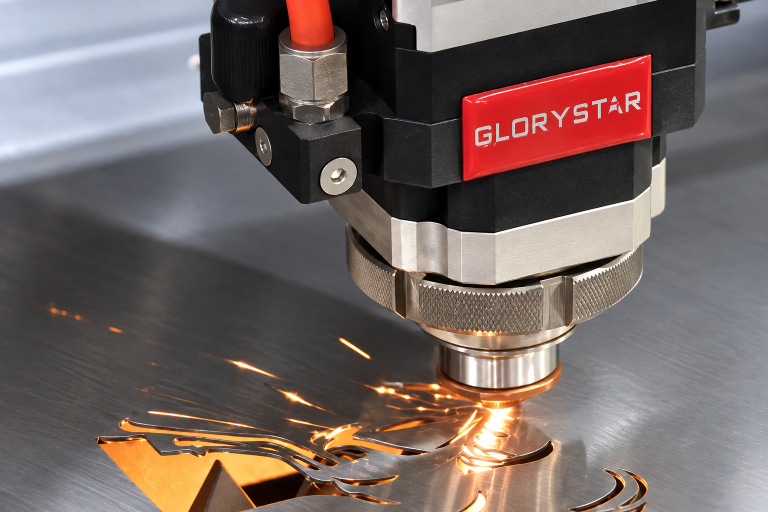
For many sheet-metal applications, a fiber laser cutting machine offers accurate cutting and is well suited to parts with holes, intricate profiles, and repeated dimensions. Depending on the material and cutting conditions, it can also reduce the amount of finishing required afterward.
Thicker plate calls for a closer comparison. Plasma cutting and oxyfuel cutting remain useful options for heavy-steel work, and the most economical choice depends on the material thickness, required edge quality, part shape, and production volume.
A fabricator should therefore look beyond the maximum thickness listed in a machine's specifications. A machine might be capable of cutting a particular thickness, but that alone does not tell the buyer whether it can handle the shop's regular orders at the required quality and production rate.
Looking at actual jobs gives a much clearer picture. Which materials come through the shop most often? How many parts need detailed profiles? How much time is spent finishing the edges? These are the kinds of questions that help determine whether a new laser cutting machine is a worthwhile investment.
Cutting Is Only Part of the Job
Once the parts have been cut, they still need to fit together properly. In welded structures, the dimensions of individual components matter, but so does the preparation of the joints.
Some parts may require beveled edges before welding. Others need to line up accurately with brackets, frames, or supporting structures. If a component needs to be adjusted during fitting, the extra work can hold up the rest of the assembly.
Not every fit-up problem comes from cutting. The drawing, material condition, setup, and welding requirements may also play a part. That is why the cutting process needs to be planned around the finished component rather than treated as a separate operation.
For businesses involved in shipbuilding metal fabrication, coordination between cutting and welding is especially important when several components must come together in one assembly. If the cutting team is unaware of a joint preparation requirement, for example, the missing step may not become obvious until the part reaches the welding area.
Checking these requirements before production starts is usually easier than correcting them later.
Why Orders Can Still Fall Behind
Even when the cutting process runs well, a shop can struggle to finish orders on time.
A batch of parts may be waiting for inspection. Another may have been cut but not sorted by job. Meanwhile, the welding team is still working on an earlier order, leaving the newly cut components stacked beside the machine.
This happens in many busy fabrication shops. Cutting is visible, so it is easy to focus on how quickly the machine runs. The time spent moving, identifying, checking, and preparing parts is less obvious, even though it can have a real effect on delivery schedules.
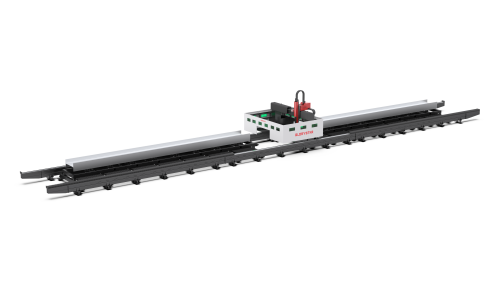
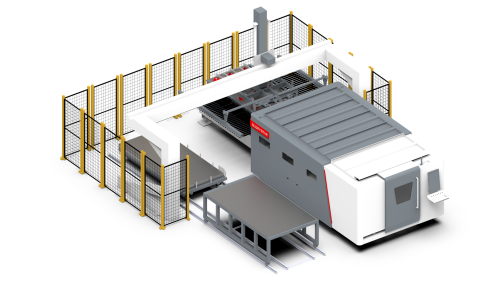
Larger cutting tables and suitable material-handling systems can help in the right production setup. However, they will not solve every delay. If the welding area is already overloaded, cutting more parts in less time may simply leave more work waiting downstream.
Before adding cutting capacity, it helps to follow an order through the whole process. If cutting is the step that regularly holds everything up, a machine upgrade may be justified. If parts spend longer waiting for inspection or welding, the answer may lie elsewhere.
What to Consider Before Buying a Laser Cutting Machine
For a marine fabrication supplier planning to invest in a new machine, recent production jobs are a useful place to start. Review the materials and thicknesses processed most often, the dimensions of the largest parts, and the tolerances that the finished components must meet.
It is also worth looking at the work that follows cutting in shipbuilding metal fabrication. If operators regularly grind edges, correct dimensions, or prepare joints for welding, these tasks should be considered when comparing equipment. A machine that cuts quickly but leaves too much finishing work may not deliver the expected savings.
Ask the manufacturer to run a test using material and thicknesses similar to those used in the shop. Check the finished parts against the drawings, and pay attention to the edge quality and features that matter during assembly. Cutting speed is useful information, but it should not be the only measure of performance.
Maintenance, operator training, and after-sales support also deserve consideration, particularly when the machine will be part of a busy production schedule.
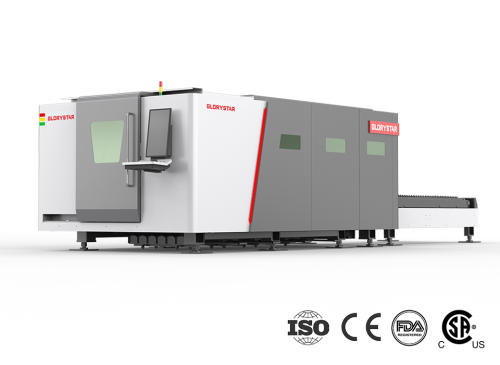
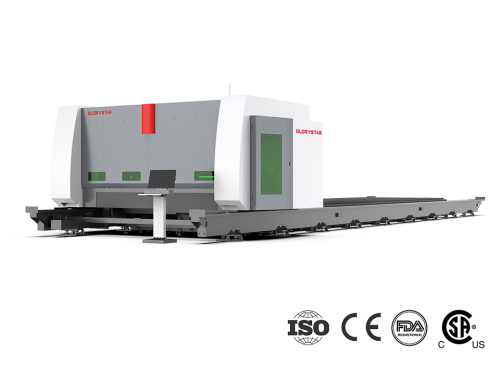
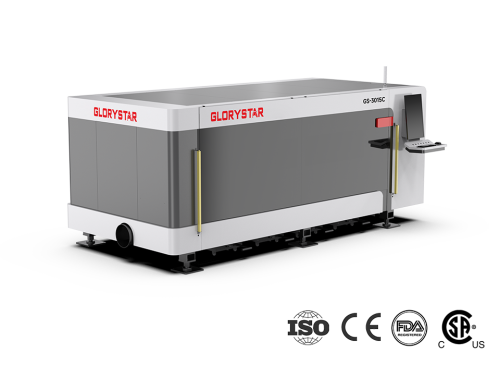
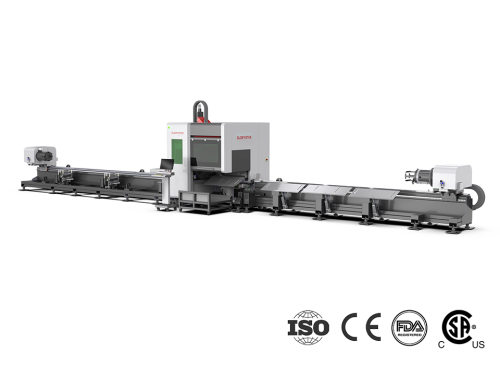
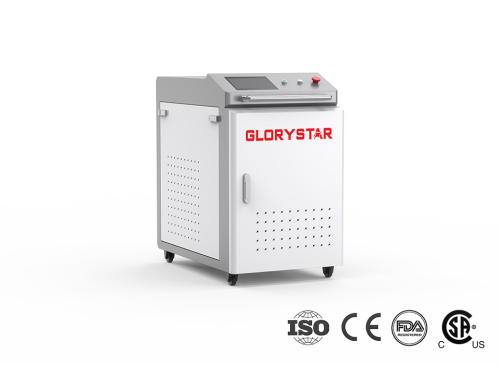
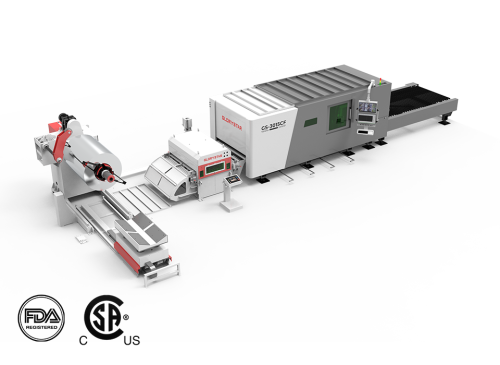
Glorystar offers industrial fiber laser cutting systems, including large-format machines for suitable plate-cutting applications. For companies supplying the marine industry, the right system will depend on the parts they produce, the materials they process, and the demands of their existing production line.
A good cutting process should make the next stage of production easier, not simply get the steel off the table faster. For a fabricator working to tight delivery schedules, that difference can matter just as much as the cutting speed itself.