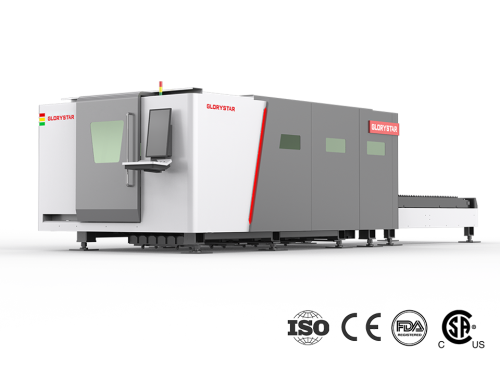
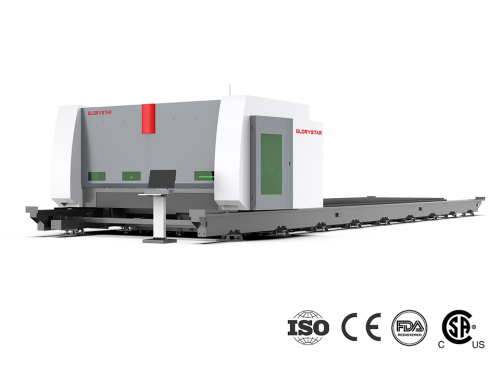
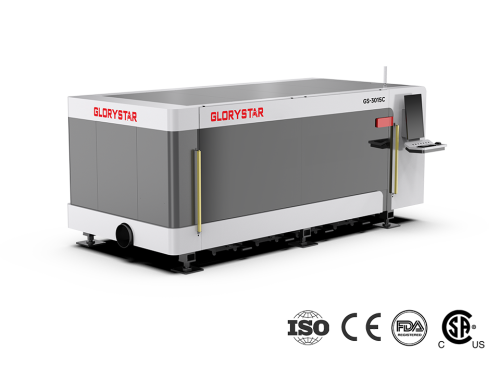
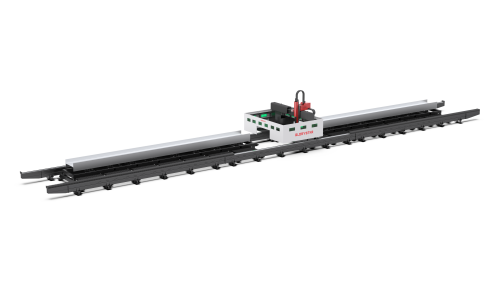
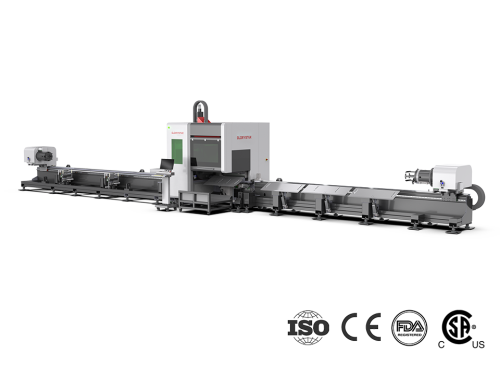
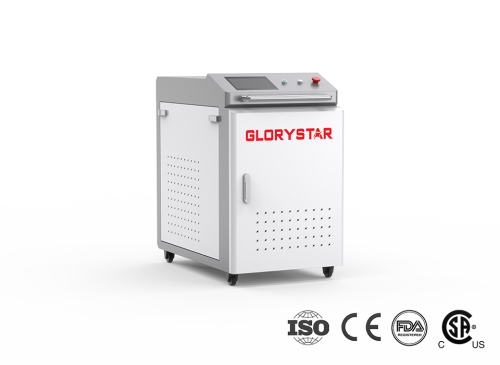
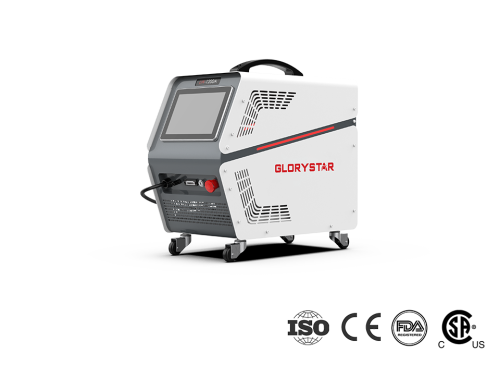
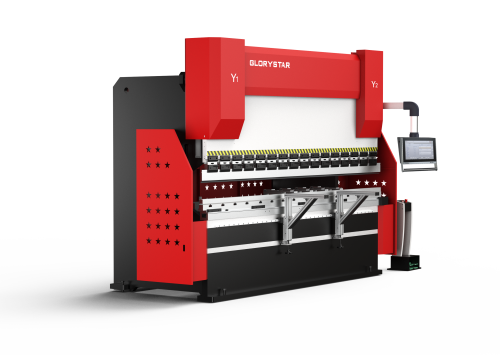
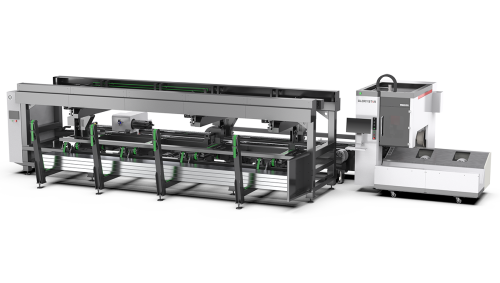
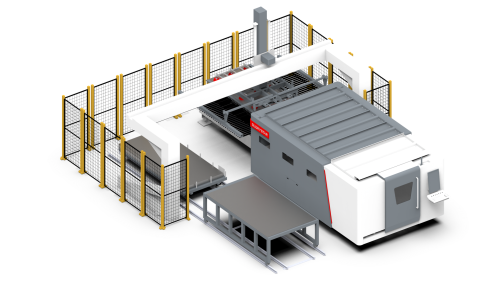
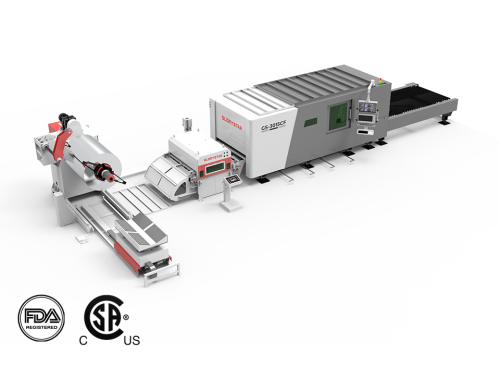
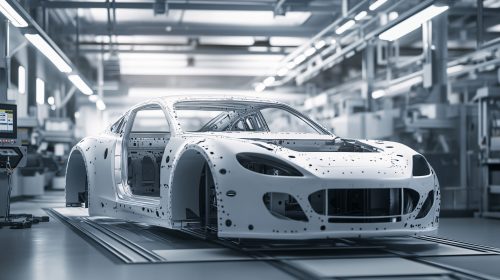
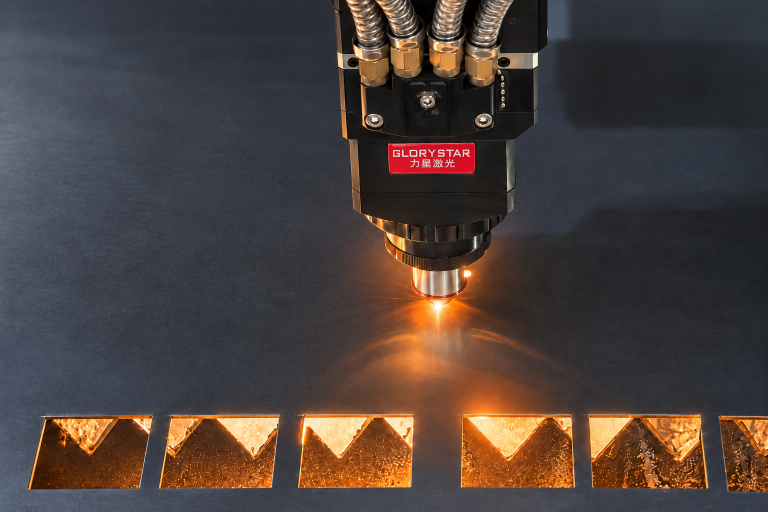
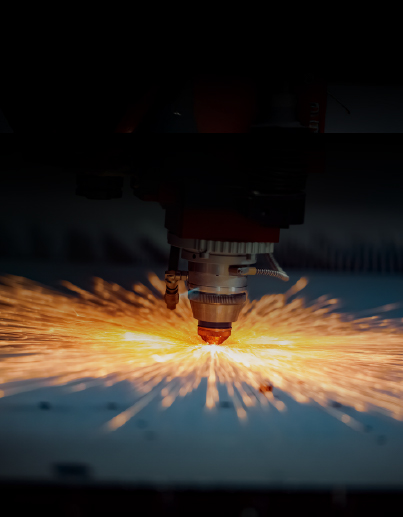
Anyone who has worked in a metal fabrication shop knows that an industrial fiber laser cutting machine is only one part of the job. Before cutting begins, someone needs to move the material, position it on the table, and make sure everything is ready. Once cutting is finished, the parts still need to be removed, sorted, and sent to the next operation.
These steps can become more complicated when a shop regularly works with large sheets. A single sheet might contain several long frame components, smaller brackets, and parts for different orders. Cutting may take only part of the total job time, while loading and unloading can keep operators busy long after the laser stops.
An industrial fiber laser cutting machine needs to fit the way a shop actually works. Here are a few things worth considering before bringing large-sheet cutting into your production process.
1. Will the Sheet Fit Your Machine and Your Workshop?
The first question seems simple: can the machine handle the sheet size you use?
But the working area is only part of the answer. You also need enough room to bring the sheet to the machine, position it properly, and remove the finished parts afterward.
Take a shop that cuts large steel panels for industrial equipment. The panels may fit the cutting table, but moving them through a narrow aisle or around other machines could be difficult. In that case, the workshop layout becomes just as important as the machine's cutting dimensions.
Think about the sheet sizes you use most often, not just the largest sheet you might process once or twice a year. A larger working area can be useful, but it should serve a real production need.
When comparing an industrial fiber laser cutting machine, check the working dimensions alongside the available floor space and the room needed for loading and unloading.
2. How Will You Get the Sheet onto the Cutting Table?
Large metal sheets are not easy to move by hand. Depending on their size and weight, a shop may need a forklift, overhead crane, or suitable sheet-handling equipment.
The important question is whether the equipment you already have can handle the job safely and conveniently.
Imagine that your raw steel is stored near the receiving area, while the laser cutter sits across the workshop. If operators have to move each sheet through a busy aisle, they may need to wait for other work to clear before loading the machine. That extra time adds up when several jobs are scheduled each day.
It helps to think through the whole route before installation. Where will the sheets be stored? How will they reach the machine? Is there enough clearance to position them without repeatedly moving other materials out of the way?
These may sound like small details, but they can make a noticeable difference to daily production.
3. What Happens as the Sheet Is Cut?
At the beginning of a job, the material is one solid sheet. As the laser cuts through it, the remaining material becomes a frame around the finished parts, sometimes with narrow strips and irregular sections left between them.
This can make the final stages of a job harder to manage than expected.
For example, a sheet containing several large components and dozens of small brackets may be easy to load, but removing every part afterward can take time. Operators need to separate the finished pieces from the remaining material without damaging them or creating unnecessary handling risks.
Before choosing a machine, ask about its table design, load capacity, and material support requirements. Make sure the setup suits the sheet sizes and part layouts you expect to run.
It is also worth considering how leftover material will be removed and stored. If usable offcuts are common in your shop, you will want a practical way to keep them organized rather than letting them pile up around the cutting area.
4. Don't Focus on Material Savings Alone
Nesting software can help fit more parts onto a sheet and reduce scrap. For shops buying large quantities of steel, that matters. However, the layout that uses the least material is not always the easiest one to manage.
Consider a job that includes several long frame pieces and a large number of small brackets. Packing the brackets into every available gap might save steel, but it could also leave operators with dozens of small parts to remove and sort.
If those parts belong to different orders, the sorting work becomes even more important. A few extra minutes spent identifying components after every sheet can turn into a significant amount of labor over a full production week.
The better approach is to look at the job as a whole. How many parts are needed? Which components go together? Will they move to bending or welding next? Can operators remove and organize them without holding up the next sheet?
A good cutting layout should make sense for both material use and the work that follows.
5. Make Sure Finished Parts Have Somewhere to Go
One problem in busy fabrication shops is that the cutting machine finishes a job before the surrounding area is ready for it.
The parts are cut, but the unloading area is full. Operators are still sorting pieces from the previous sheet, or the next department has not collected its materials. The machine is ready to run again, yet the next job cannot start.
This is especially common when large sheets produce a mix of long, heavy components and smaller pieces.
A shop producing machine enclosures, for instance, may need to send flat panels to bending while other components go directly to assembly. Keeping those parts separated from the start makes the handoff much easier.
Before installing an industrial fiber laser cutting machine, decide where finished parts will be placed and how they will move to the next operation. Racks, designated staging areas, and clear labeling can help prevent the cutting area from becoming a temporary storage space.
The goal is simple: once a job is finished, operators should be able to clear the table and prepare for the next one without unnecessary delays.
6. Look at the Time Between Jobs, Too
When comparing laser cutting machines, buyers naturally pay attention to cutting speed and power. Those specifications matter, but they do not tell the whole story.
Think about how a typical job runs in your shop. The operator retrieves the material, loads the sheet, checks the program, starts cutting, unloads the parts, and prepares for the next job. If loading and unloading take longer than expected, the machine may spend a surprising amount of time waiting between cutting cycles.
That is why it helps to evaluate a complete production job rather than focusing on a short cutting demonstration.
Ask the supplier to demonstrate parts similar to those you actually make. Use familiar sheet sizes and discuss how the finished components will be removed. This gives you a better chance of spotting practical issues before investing in new equipment.
An industrial fiber laser cutting machine should improve the way your shop handles its work, not just perform well during the cutting stage.
Choosing Equipment That Works for Your Shop
Large-sheet cutting works best when the machine and the surrounding workflow are planned together. The working area needs to suit your materials, loading equipment must handle the sheets safely, and finished parts need a clear path to the next operation.
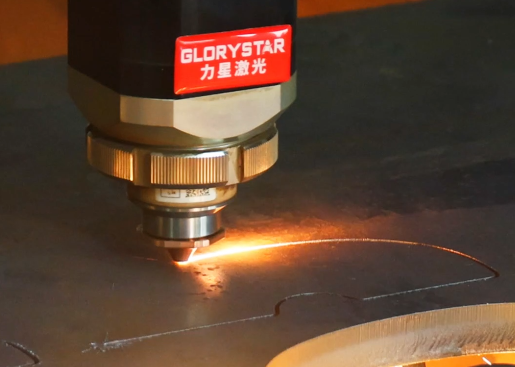
Glorystar offers industrial fiber laser cutting solutions for metal fabrication applications. If you are considering equipment for large-sheet production, start with the jobs your shop handles every week. Sheet dimensions, part layouts, handling methods, and production volume will help determine which machine configuration makes sense.
A machine that fits your real working conditions can help reduce unnecessary handling and keep jobs moving. In a busy fabrication shop, that can matter just as much as how quickly the laser cuts.