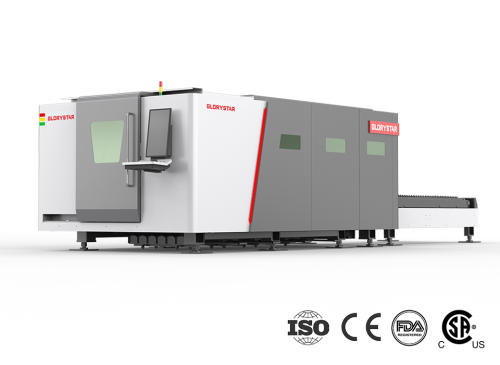
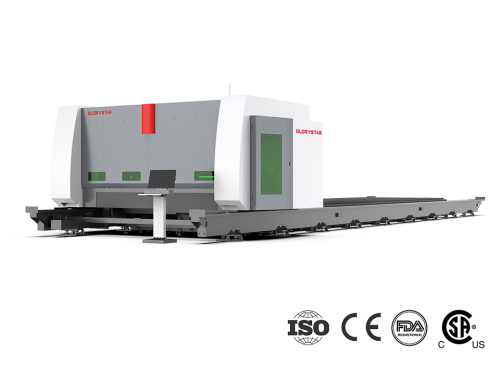
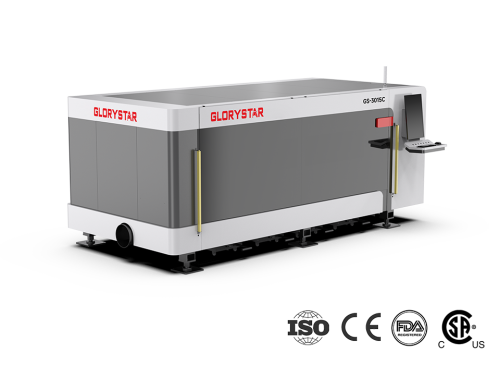
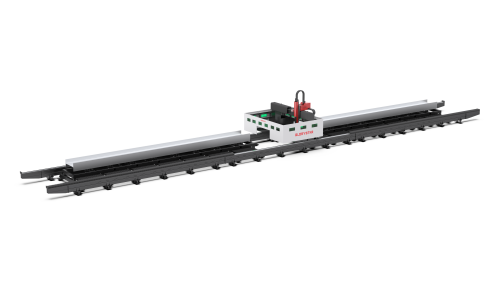
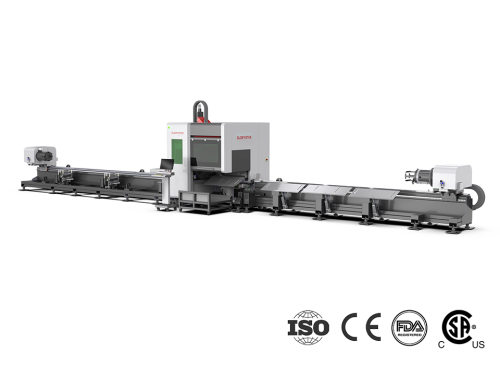
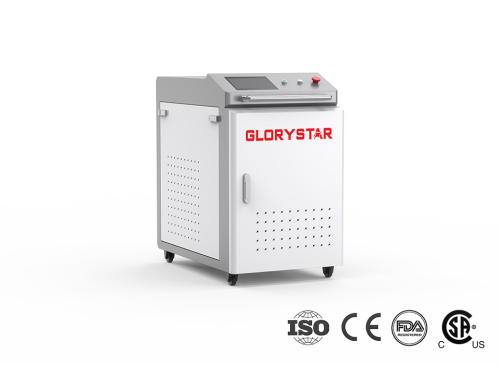
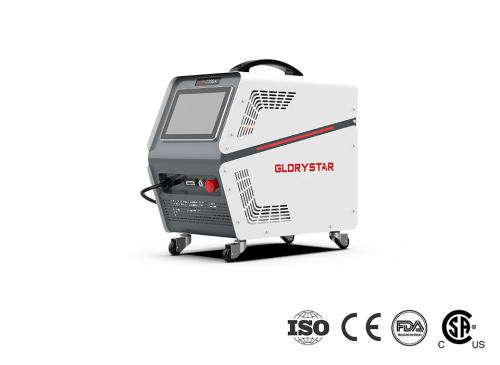
The manufacturing industry in 2026 is undergoing a major transformation driven by artificial intelligence, automation, and digital production systems. Among all industrial technologies, fiber laser cutting machine technology and laser cutting machines are experiencing some of the most significant upgrades. From production efficiency to precision control, AI is reshaping how factories operate and how metal fabrication is performed globally.
The Rise of AI in Modern Manufacturing
In recent years, manufacturers have faced increasing pressure to improve productivity while reducing operational costs. Labor shortages, rising material prices, and higher quality expectations have forced factories to adopt smarter solutions.
Artificial intelligence has become a key driver of this shift. In modern factories, AI systems are no longer limited to data analysis. They are now directly influencing production processes, including cutting path optimization, machine monitoring, and real-time adjustments.
In laser cutting operations, AI helps machines analyze material conditions, adjust cutting parameters automatically, and reduce waste during production. This leads to more stable output and higher efficiency across large-scale manufacturing environments.
How AI Is Changing Laser Cutting Machines
Traditional laser cutting systems rely heavily on operator experience. Settings such as power, speed, and focus position are manually adjusted based on material type and thickness. While effective, this approach often leads to inconsistencies in production.
With AI integration, modern systems are becoming increasingly automated. Intelligent algorithms can now:
Optimize cutting paths for maximum efficiency
Adjust laser power based on material feedback
Reduce overheating and edge deformation
Improve cutting precision in complex designs
Monitor machine status in real time
These improvements significantly reduce human error and increase overall production stability.
As a result, laser cutting machines are evolving from manually controlled equipment into intelligent production systems capable of self-optimization.
Smart Manufacturing and Industry Transformation
Smart manufacturing is another major trend shaping the future of the industry. In a smart factory environment, all production equipment is connected through digital systems, enabling real-time communication and data sharing.
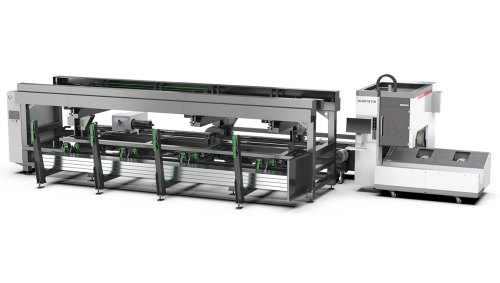
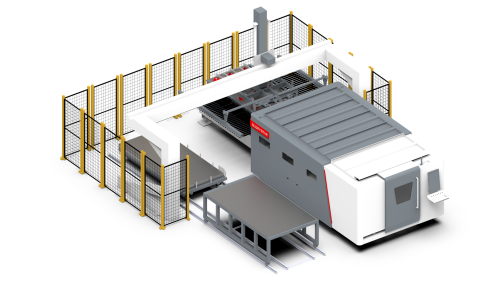
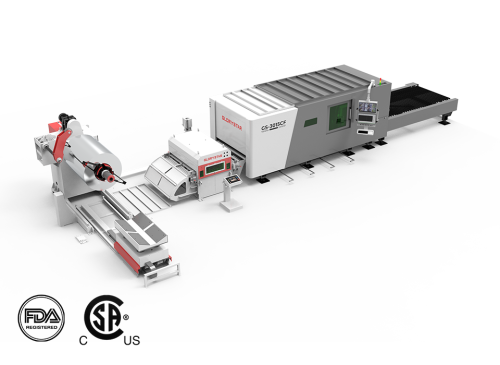
In this ecosystem, fiber laser cutting machines play a critical role. They are often used as core processing equipment in automated production lines. Their speed, precision, and compatibility with digital control systems make them ideal for modern manufacturing requirements.
Factories adopting smart manufacturing strategies are increasingly integrating laser systems into centralized control platforms. This allows operators to monitor production status, adjust parameters remotely, and improve overall efficiency without manual intervention.
The Role of Fiber Laser Cutting Machines in 2026
Among all laser technologies, fiber laser systems have become the dominant choice in metal fabrication. Compared to traditional CO2 systems, fiber lasers offer higher efficiency, lower maintenance costs, and better performance on reflective metals such as stainless steel and aluminum.
In 2026, demand for fiber laser cutting machines continues to grow as manufacturers focus on upgrading production capabilities. The combination of AI-based optimization and fiber laser technology is creating a new generation of intelligent manufacturing equipment.
Modern fiber laser systems are designed to support:
High-speed cutting for mass production
Stable performance under continuous operation
Compatibility with automation systems
Reduced energy consumption
Improved cutting quality across different materials
These advantages make them a key investment for factories aiming to remain competitive in global markets.
Efficiency Improvement Through AI Integration
One of the most important benefits of AI in laser cutting is efficiency improvement. Production efficiency is not only about cutting speed, but also about reducing waste, improving material utilization, and minimizing downtime.
AI helps achieve this by analyzing production data and continuously optimizing machine performance. For example, it can detect inefficient cutting paths and automatically adjust them to reduce unnecessary movement. It can also predict maintenance needs before machine failures occur, reducing unexpected downtime.
For manufacturers, this means lower production costs and higher output consistency.
Practical Industry Applications
The impact of AI-enhanced laser cutting machines can already be seen across multiple industries. Modern fiber laser cutting machine solutions are increasingly used in high-precision manufacturing environments where efficiency and automation are essential.
Automotive manufacturing for precision parts
Sheet metal fabrication for industrial equipment
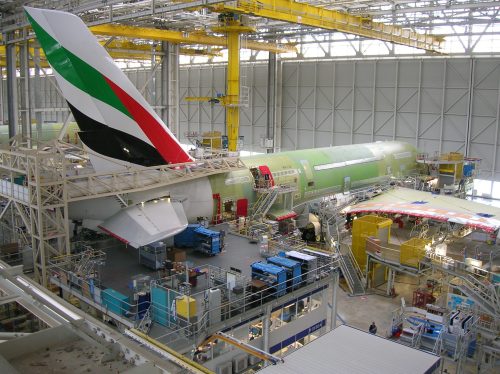
Aerospace component production
Construction material processing
Electrical cabinet and enclosure manufacturing
In each of these industries, demand for accuracy, speed, and repeatability is extremely high. AI-assisted laser systems and advanced fiber laser cutting machine technology help manufacturers meet these requirements more effectively than traditional methods.
The Future of Laser Cutting Technology
Looking ahead, the laser cutting industry will continue to evolve toward fully automated and intelligent production systems. AI will play an even greater role in decision-making, while machines will become more self-regulating and connected.
Factories that adopt smart laser technologies early will gain significant advantages in productivity, cost efficiency, and market competitiveness.
As the industry moves forward, laser cutting machines will no longer be just production tools. They will become intelligent manufacturing assets that actively contribute to operational decision-making. The future of industrial production will increasingly rely on high-performance fiber laser cutting machine systems combined with smart automation technologies.
Conclusion
Artificial intelligence is reshaping the future of manufacturing, and laser cutting technology is at the center of this transformation. With the integration of smart systems, automation, and fiber laser technology, factories are entering a new era of efficiency and precision.
Modern fiber laser cutting machines are not just equipment upgrades—they represent a shift toward intelligent, data-driven manufacturing systems that define the future of industrial production.