Why Reshoring Manufacturing Is Accelerating
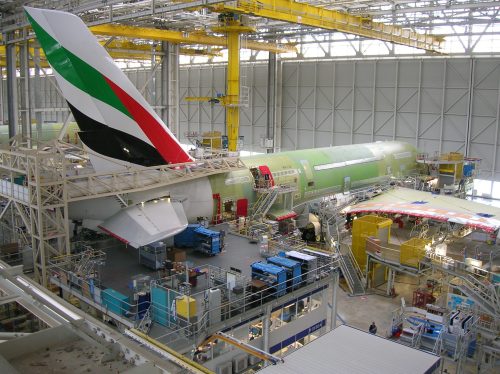
Reshoring manufacturing is no longer a political slogan or a temporary reaction to global disruption. It has become a structural shift in how companies evaluate risk, cost, and long-term competitiveness.
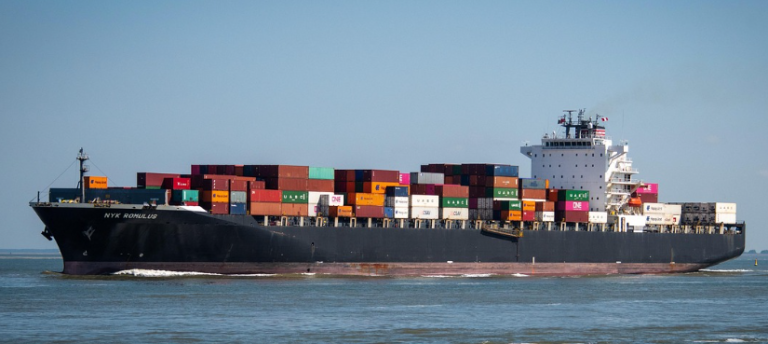
Over the past few years, supply chain instability, rising overseas logistics costs, and delivery uncertainty have forced manufacturers to rethink their production footprint. Many executives now recognize that the lowest unit cost does not always mean the lowest total cost.
Reshoring manufacturing is increasingly viewed as a strategic move to regain control — over timelines, quality, and operational resilience.
But bringing production back is only the first step.
The real question is: can reshored operations remain profitable?
The Hidden Operational Challenge Behind Reshoring
While reshoring manufacturing reduces dependency on distant suppliers, it introduces a new challenge: higher domestic labor costs.
In many cases, the labor structure in reshored facilities is significantly more expensive than offshore production. At the same time, customers expect:
Faster turnaround
Smaller batch sizes
Greater customization
Consistent quality
This creates a narrow margin for error.
Without productivity improvements, reshoring manufacturing can compress margins instead of expanding them.
That is why automation is no longer optional — it is foundational.
Why Automation Determines Profitability
Reshoring manufacturing only works when output per labor hour increases dramatically.
Manufacturers that succeed in reshoring typically invest in:
Automated material handling
Integrated production software
High-speed cutting systems
Reduced manual intervention
By lowering labor dependency and increasing throughput stability, automation offsets domestic cost pressure.
In fabrication environments, this shift is especially visible.
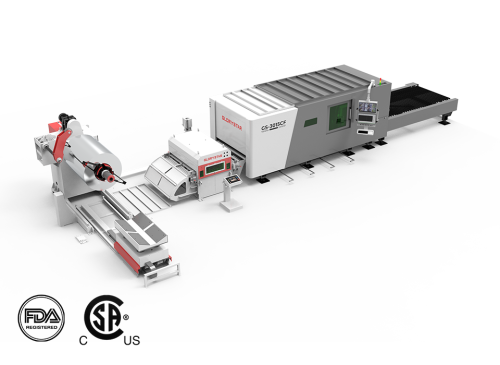
Laser cutting systems are moving from standalone machines to integrated production platforms.
Laser Cutting as Strategic Infrastructure
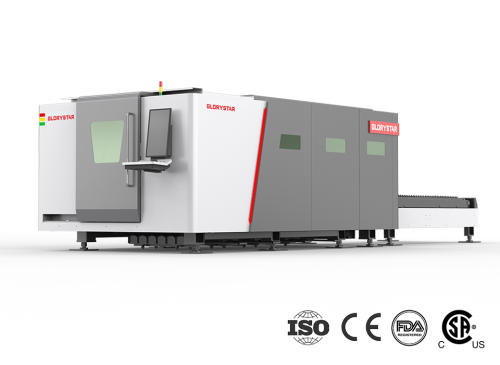
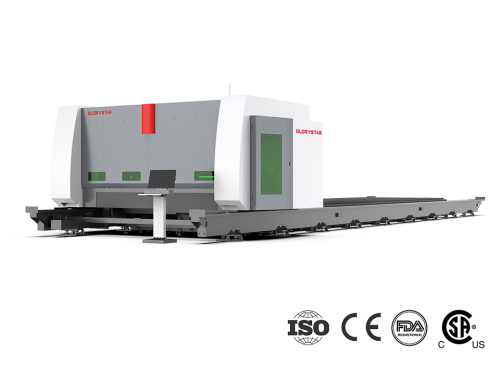
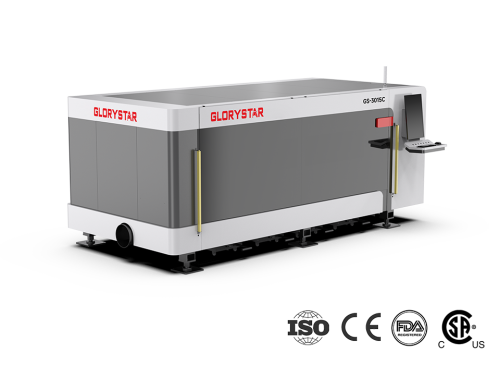
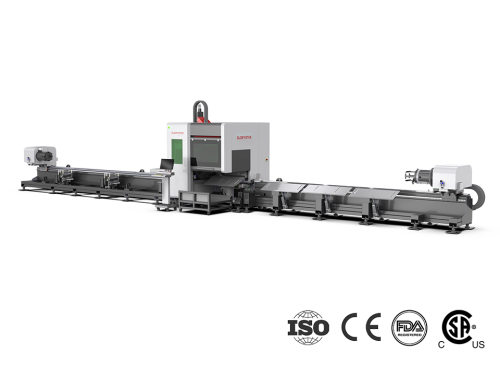
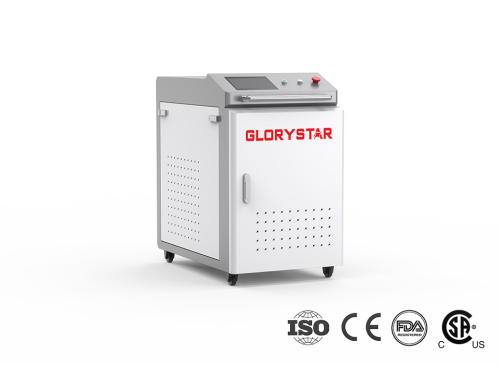
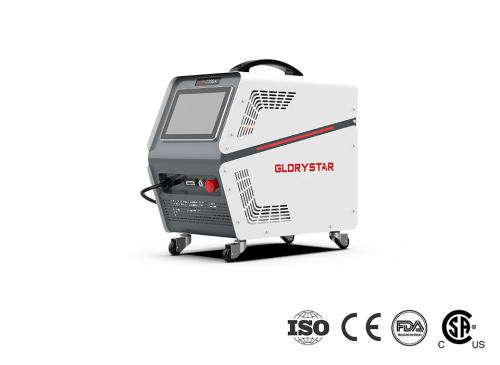
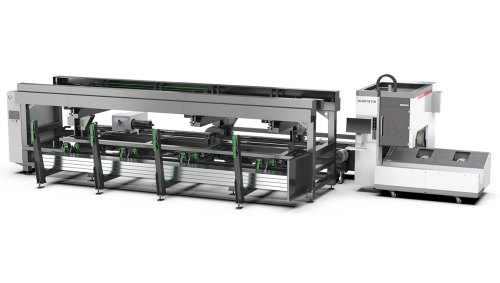
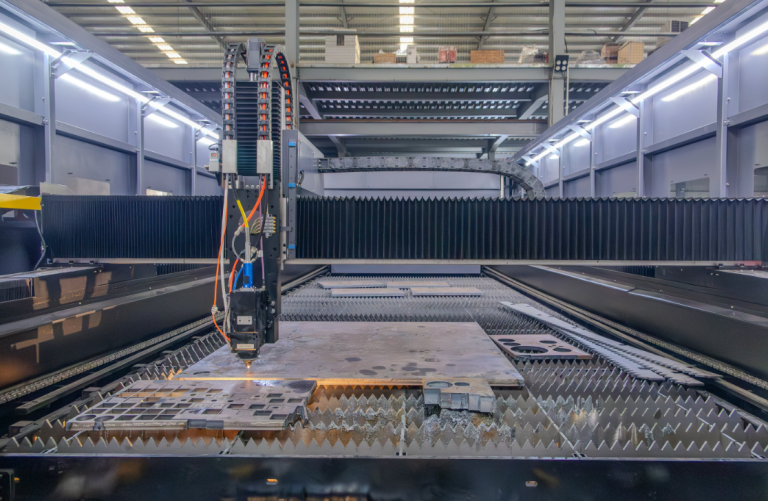
In a reshoring manufacturing environment, laser cutting equipment is no longer just a fabrication tool — it functions as core production infrastructure.
The reason is simple. Cutting is typically the first operation in metal fabrication, and any delay, inconsistency, or inefficiency at this stage affects every downstream process.
Today’s fabrication facilities demand more than basic cutting capability. They require high-speed processing of mild steel and stainless steel, stable output across extended production cycles, fast changeovers for high-mix orders, and minimal unplanned downtime.
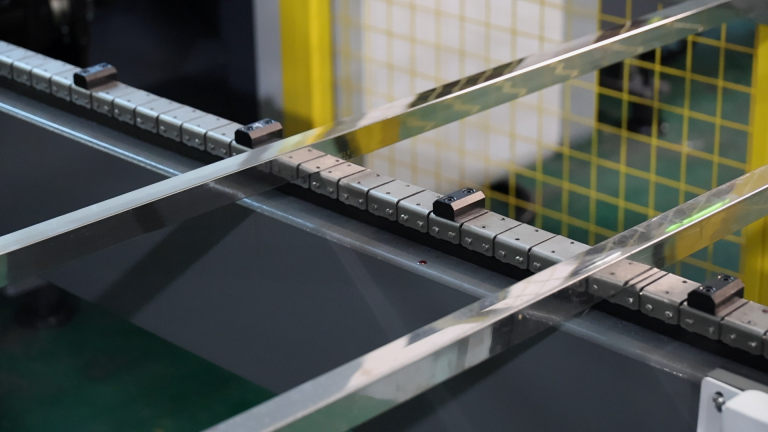
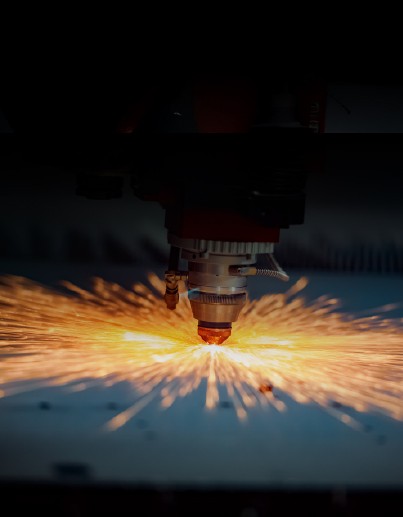
High-power fiber laser systems align naturally with these demands. Faster cutting speeds shorten per-part cycle times, while improved precision reduces the need for secondary processing. Consistent beam stability supports uninterrupted production, helping maintain predictable schedules.
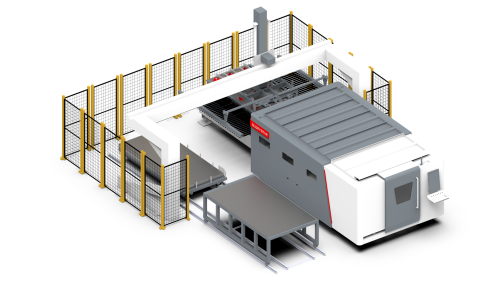
When integrated with optional automated loading and unloading systems, manual material handling is significantly reduced, further improving throughput and labor efficiency.
Together, these capabilities reinforce the economic logic behind reshoring manufacturing — enabling local production to compete on both speed and cost structure.
From Equipment Purchase to Production Capability
Many companies approach equipment investment from a price-first perspective.
However, in reshoring manufacturing, the more relevant metric is long-term production capability.
Questions decision-makers now ask include:
Can this system handle high-mix, fast-turn production?
Will it reduce labor dependency?
Can it scale as demand grows?
Does it support automation integration?
Laser cutting systems designed for scalable automation environments answer these questions more effectively than basic standalone machines.
For manufacturers processing stainless steel and carbon steel in medium-to-thick gauges, system stability and power consistency become critical.
A high-power fiber laser platform with automation options enables:
Faster cycle times
Reduced material waste
Lower rework rates
Improved production planning
These are not incremental improvements — they reshape cost structure.
Building a Profitable Reshoring Strategy
Reshoring manufacturing succeeds when companies align three elements:
Production control
Automation investment
Equipment scalability
Cutting systems that integrate seamlessly into automated workflows help manufacturers move beyond survival-mode reshoring and into competitive advantage.
Instead of reacting to global uncertainty, companies can proactively shorten lead times, strengthen customer relationships, and protect margins.
In this context, laser cutting technology is not an expense.It is a lever.
The Competitive Edge
Manufacturers that treat reshoring manufacturing as a strategic transformation — rather than a geographic relocation — gain long-term benefits.
Investing in advanced laser cutting systems with automation readiness positions fabrication operations to:
Absorb domestic labor costs
Meet fast delivery expectations
Handle complex production demands
Scale without linear labor growth
As reshoring manufacturing continues to reshape industrial landscapes, equipment decisions made today will define operational performance for years.
Companies that build automated, high-efficiency cutting infrastructure now will be better positioned to lead in the next phase of manufacturing evolution.