Introduction
In modern manufacturing, efficiency, precision, and cost control have become the core drivers of competitiveness. As production demands continue to rise, many factories are replacing traditional cutting processes with advanced technologies. Among them, the laser cutter has emerged as one of the most transformative tools in metal fabrication.
This article explores how laser cutting compares with traditional cutting methods, why manufacturers are making the switch, and what advantages a laser cutter brings to industrial production.
What Is a Laser Cutter?
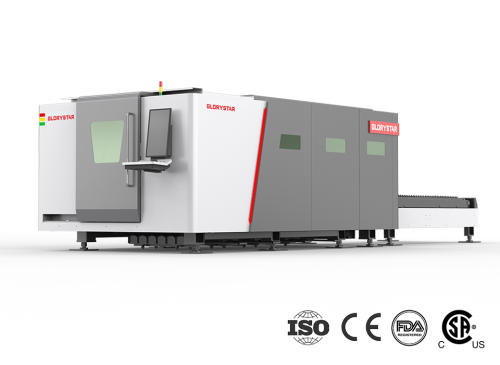
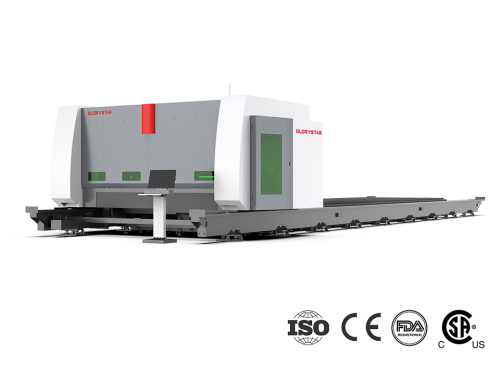
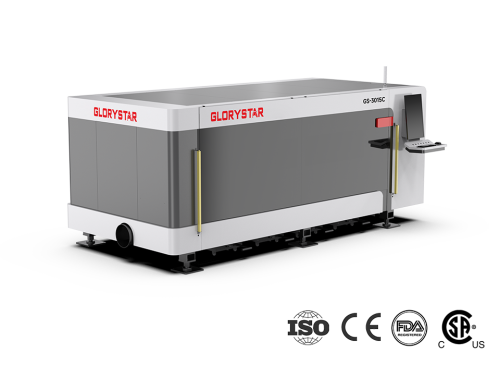
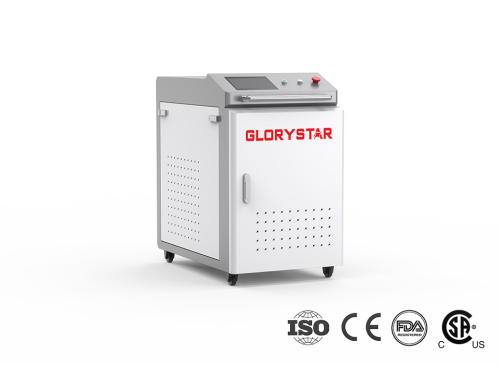
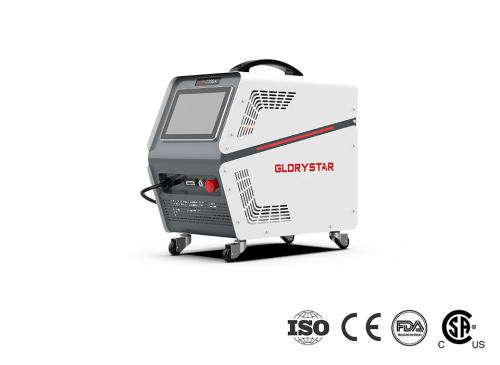
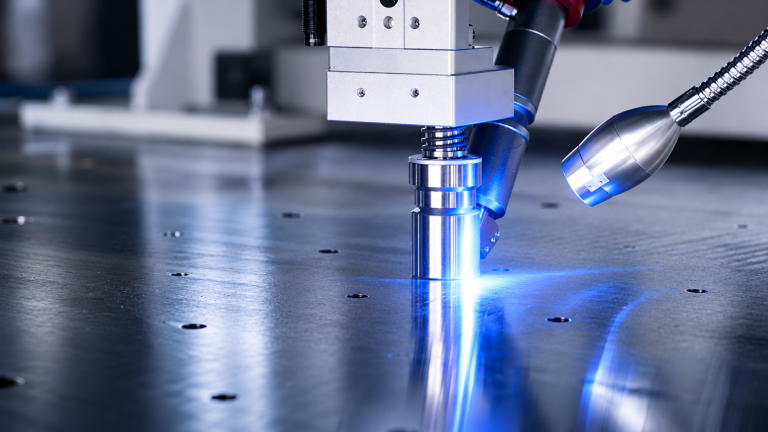
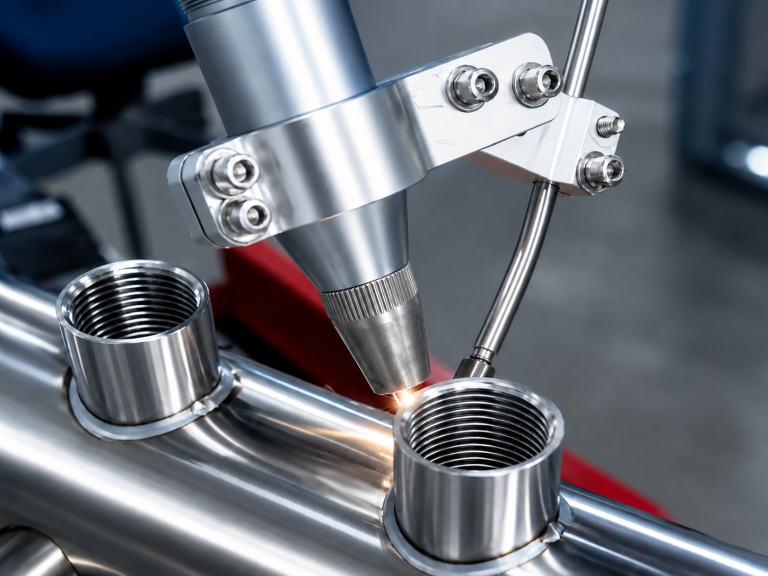
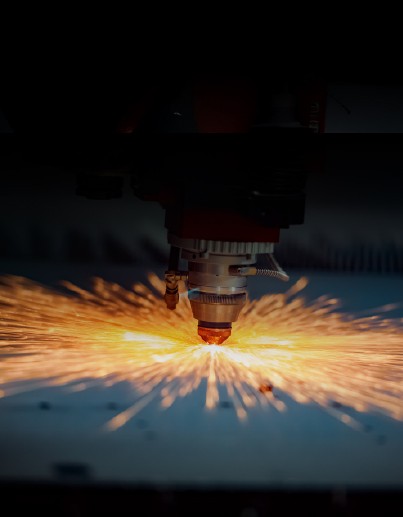
A laser cutter is a high-precision industrial machine that uses a focused laser beam to cut through metal and other materials. Unlike mechanical cutting tools, it does not rely on physical contact. Instead, it uses intense energy to melt, burn, or vaporize material along a defined path.
In metal manufacturing, fiber laser technology has become the dominant solution due to its high efficiency, low maintenance, and ability to cut a wide range of materials such as carbon steel, stainless steel, and aluminum.
Traditional Cutting Methods in Manufacturing
Before the widespread adoption of laser technology, factories primarily relied on several traditional cutting methods:
Mechanical cutting (sawing, milling, punching)
Plasma cutting
Oxy-fuel cutting
While these methods are still used in some applications, they come with limitations in terms of speed, precision, and operational cost.
Laser Cutter vs Traditional Cutting Methods
1. Precision and Quality
Traditional cutting methods often produce rough edges and require secondary processing. In contrast, a laser cutter delivers smooth, precise cuts with minimal post-processing.
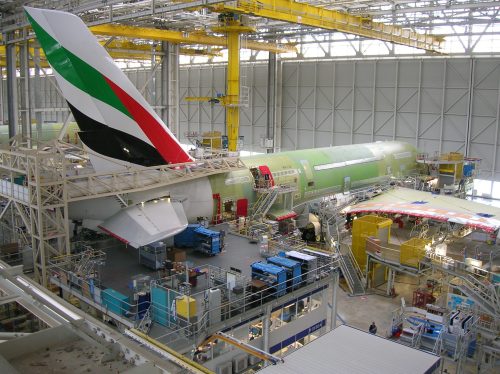
This is especially important in industries such as automotive, aerospace, and precision metal fabrication, where accuracy directly impacts product quality.
2. Production Speed
Speed is a critical factor in modern factories. Mechanical and plasma cutting systems are generally slower and require frequent tool changes or adjustments.
A laser cutter significantly increases cutting speed, especially for thin and medium-thickness metals, improving overall production efficiency.
3. Operating Costs
Traditional cutting methods often involve higher consumable costs, including cutting tools, electrodes, and frequent maintenance.
Laser systems, while requiring a higher initial investment, offer lower long-term operating costs due to reduced consumables and higher energy efficiency.
4. Material Flexibility
Mechanical cutting tools are often limited by material hardness and thickness. Plasma cutting also struggles with precision on thinner sheets.
A laser cutter can handle a wide range of materials and thicknesses, making it a more flexible solution for modern manufacturing environments.
5. Automation Capability
Traditional systems require more manual intervention and operator skill.
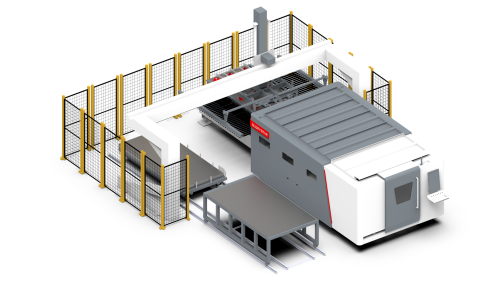
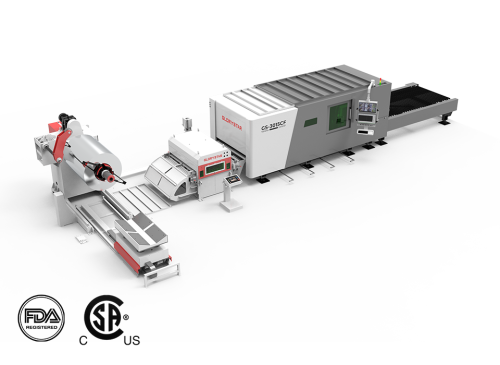
Modern laser cutter systems can be integrated with automation solutions such as:
Automatic loading and unloading systems
Robotic handling
MES/ERP production integration
This allows factories to move toward smarter, more automated production lines.
Why Manufacturers Are Switching to Laser Cutters
The shift from traditional methods to laser cutting is driven by several key industrial trends:
Rising labor costs
Manufacturers are under pressure to reduce manual labor dependency. Automation through laser systems helps reduce workforce requirements.
Demand for higher precision
Modern products require tighter tolerances and better surface quality, which traditional methods struggle to achieve.
Need for faster delivery
Shorter production cycles are essential in competitive markets. Laser technology improves throughput significantly.
Industry 4.0 transformation
Factories are upgrading to smart manufacturing systems where laser cutters play a central role in digitalized production.
Real Industrial Applications
A laser cutter is widely used across multiple industries, including:
Sheet metal fabrication
Structural steel manufacturing
Automotive components
Elevator production
Shipbuilding industry
In each of these sectors, manufacturers benefit from improved efficiency, reduced waste, and higher product consistency.
Cost vs Value: Is a Laser Cutter Worth It?
While the initial investment for a laser cutter can be higher than traditional equipment, the long-term return on investment is significantly better.
Key cost-saving factors include:
Reduced labor costs
Lower material waste
Minimal tool wear
Higher production output
For many factories, the payback period is relatively short due to improved productivity.
How Glorystar Supports Industrial Manufacturers
As a professional industrial laser equipment manufacturer, Glorystar Laser provides advanced laser cutting solutions designed for modern manufacturing needs.
Our systems are built for:
High-power cutting performance
Stable industrial-grade operation
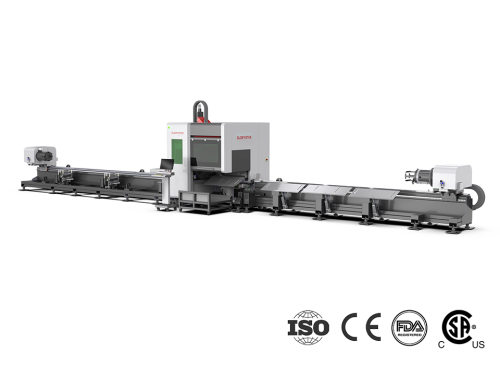
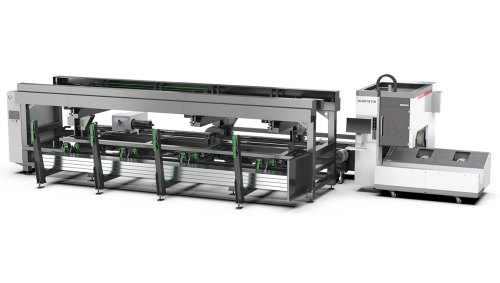
Sheet and tube processing flexibility
Automation integration capability
By combining performance and reliability, Glorystar helps manufacturers upgrade their production efficiency and reduce overall operating costs.
Conclusion
The transition from traditional cutting methods to laser technology is no longer just an option—it is becoming a necessity for competitive manufacturing.
A modern laser cutter delivers superior precision, speed, and cost efficiency compared to conventional systems. As industries continue to evolve, manufacturers that adopt laser cutting technology are better positioned to scale production and improve profitability.
For factories aiming to upgrade their metal fabrication capabilities, laser cutting represents a long-term strategic investment rather than just a machine purchase.