For many metal fabrication businesses, deciding whether to invest in their own equipment or outsource production is not always straightforward. Choosing to outsource metal cutting can reduce the need for an upfront investment, while purchasing a laser cutting machine can provide greater control over production, quality, and lead times.
So, which option makes more sense for your business? The answer depends on your production volume, order frequency, material requirements, labor costs, and long-term growth plans. Understanding the differences can help you make a more informed investment decision.
When Does It Make Sense to Outsource Metal Cutting?
For businesses with occasional or low-volume cutting requirements, outsourcing can be a practical choice. Instead of purchasing equipment, hiring operators, and managing maintenance, you pay an outside supplier to produce the parts you need.
This approach may work well when:
Your cutting requirements are relatively low or irregular.
You are testing a new product or entering a new market.
You do not have enough space for additional equipment.
You do not have trained machine operators.
You want to avoid the upfront cost of purchasing a machine.
Outsourcing metal cutting also allows businesses to access advanced equipment without owning it. However, the convenience comes with trade-offs that can become more significant as production increases.
What Are the Hidden Costs of Outsourcing?
The quoted cutting price is only part of the total cost of outsourcing. Depending on your supplier and production requirements, you may also need to consider transportation, minimum order quantities, setup fees, rush charges, and additional costs for design changes.
Lead time is another important factor. When you rely on an outside supplier, your production schedule depends on their capacity and delivery schedule. A delay at the supplier can affect your own customers.
There is also less control over production. If you need to change a part urgently, adjust a design, or produce a small additional batch, you may need to wait for the supplier to process the new order.
For businesses with frequent cutting requirements, these indirect costs can gradually become more significant.
When Should You Consider Buying a Laser Cutting Machine?
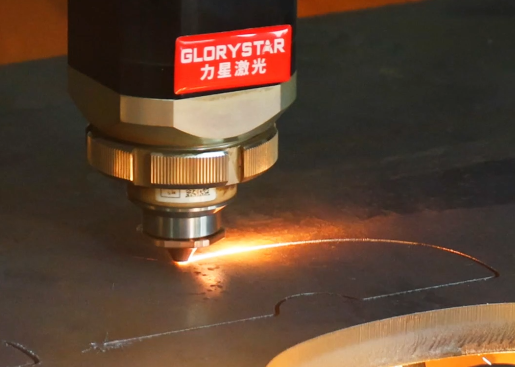
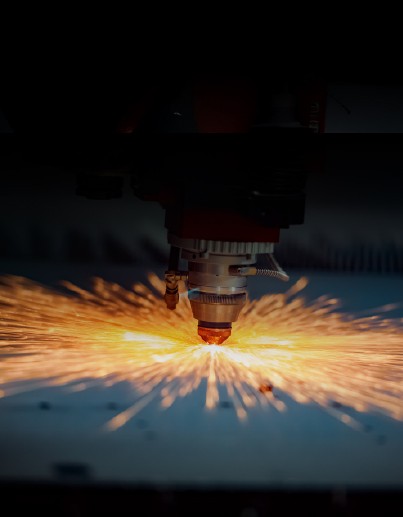
Buying a laser cutting machine can make more sense when metal cutting becomes a regular and important part of your production process.
You may want to consider bringing cutting in-house if:
You process metal on a regular basis.
Outsourcing costs are increasing as order volume grows.
Long supplier lead times are affecting production.
You frequently need customized or small-batch parts.
You want greater control over cutting quality.
You need to respond quickly to customer orders.
You expect your production volume to increase.
With an in-house machine, you are no longer dependent on an external supplier for every cutting job. Your team can schedule production according to your own priorities and respond more quickly when customers request changes.
Is Buying a Laser Cutting Machine More Expensive?
The initial investment is certainly higher. A business purchasing a laser cutting machine needs to consider the equipment cost, installation, operator training, electricity, assist gas, maintenance, and other operating expenses.
However, the purchase price should not be the only factor in the decision.
The more important question is how the machine will affect your total production cost over time.
For a business with consistent demand, producing parts in-house can reduce the cost per part and eliminate some of the additional expenses associated with outsourcing. At the same time, the company gains greater control over production scheduling and delivery.
This means that a laser cutting machine can become a production asset rather than simply another operating expense.
Buying vs. Outsourcing: Which Is Better?
There is no single answer for every manufacturer.
Factor
Buy a Laser Cutting Machine
Outsource Metal Cutting
Initial investment
Higher
Lower
Long-term production cost
Potentially lower
Can increase with volume
Production control
High
Limited
Lead time
More controllable
Depends on supplier
Production flexibility
High
Lower
Maintenance
Required
Handled by supplier
Best for
Regular production
Low or irregular demand
If your company only needs a few parts occasionally, outsourcing may remain the more practical option. But when cutting becomes a recurring production requirement, owning the equipment can provide greater flexibility and better long-term control.
What Should You Consider Before Making a Decision?
Before deciding whether to outsource metal cutting or invest in your own machine, look beyond the initial price.
Start by calculating how much you currently spend on outsourced cutting each month. Then consider transportation, supplier lead times, urgent orders, rejected parts, design changes, and expected production growth.
Next, estimate the total operating cost of an in-house machine. Consider not only the equipment investment but also labor, electricity, assist gas, maintenance, and expected machine utilization.
Most importantly, think about where your business will be in the next three to five years. A solution that is inexpensive today may become expensive if your production volume grows rapidly.
Make the Choice Based on Your Production Needs
For manufacturers with low or unpredictable demand, outsourcing can offer flexibility without a major capital investment. For companies with steady metal cutting requirements, bringing production in-house can provide better control, faster response times, and greater opportunities to reduce long-term production costs.
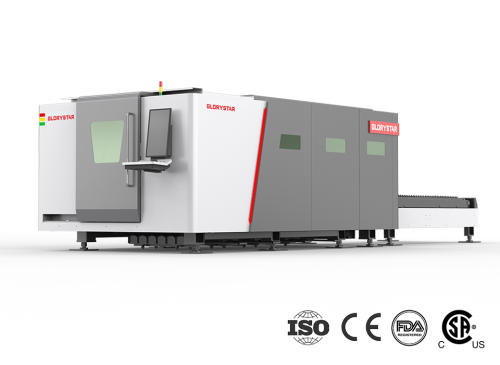
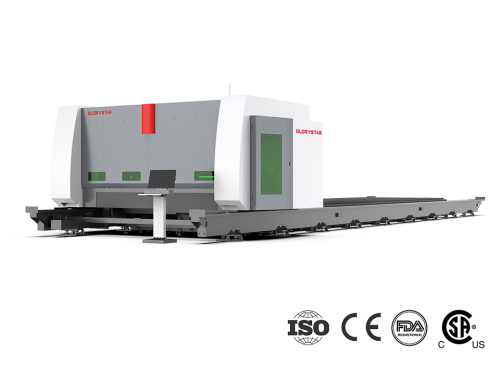
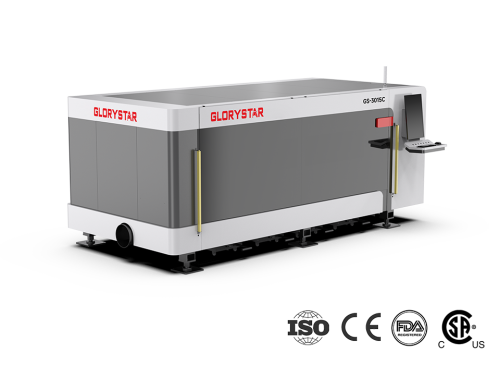
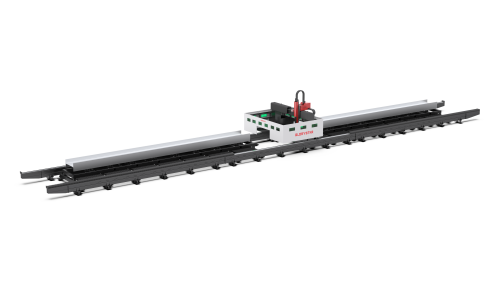
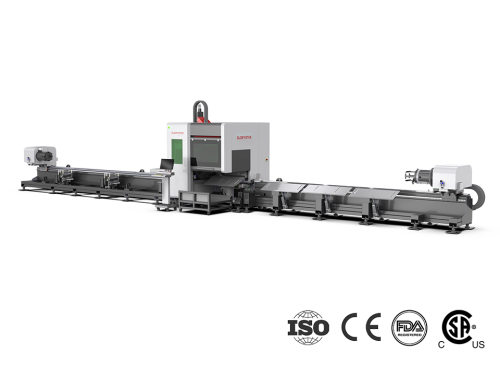
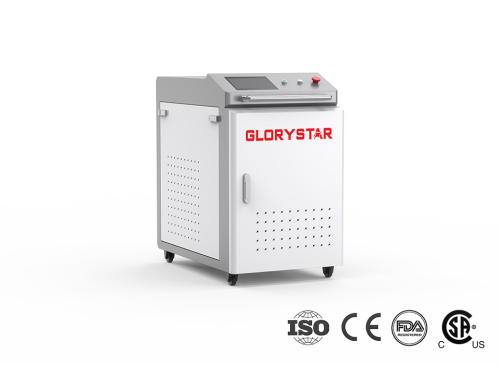
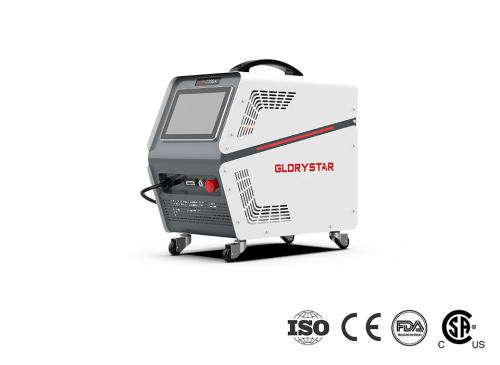
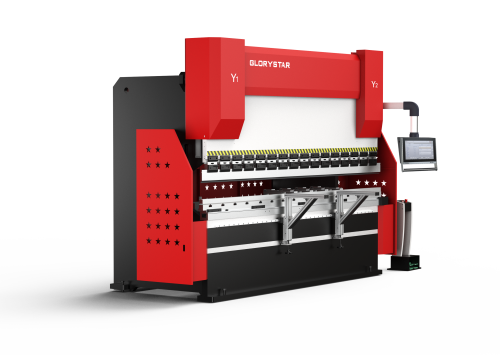
Glorystar Laser provides fiber laser cutting solutions designed for different production requirements, materials, working areas, and levels of automation. By selecting the right machine configuration for your actual workload, manufacturers can build an in-house cutting process that supports both current production and future growth.
The right question is not simply whether you should buy a machine or outsource. It is whether your current production volume, costs, and growth plans justify bringing metal cutting in-house.