For US fabricators planning to invest in new equipment, understanding the laser cutting machine cost is a critical part of the decision-making process. However, focusing only on the initial purchase can be misleading. In today’s manufacturing landscape, the true laser cutting machine cost goes far beyond the machine itself.
What matters most is how that investment performs over time—how it impacts productivity, labor efficiency, and overall operational cost. This is why more manufacturers are shifting their focus from upfront pricing to long-term value and return on investment.
Why Total Cost of Ownership Matters More Than Initial Cost
In the US, where labor and operational expenses are among the highest globally, evaluating the full cost of a laser cutting system is essential. A machine with a lower initial investment may appear attractive, but it can lead to higher long-term expenses if it lacks efficiency, automation, or reliability.
Fabricators are increasingly prioritizing total cost of ownership (TCO), which includes not only the equipment itself but also its performance over years of operation. When assessing the real investment value, companies need to consider how the machine contributes to output, consistency, and scalability.
A well-chosen system can significantly reduce operational burdens, while the wrong investment can create ongoing inefficiencies.
What Determines Laser Cutting Machine Cost
Several key factors influence the overall investment required for a laser cutting system, and understanding them helps fabricators make smarter decisions.
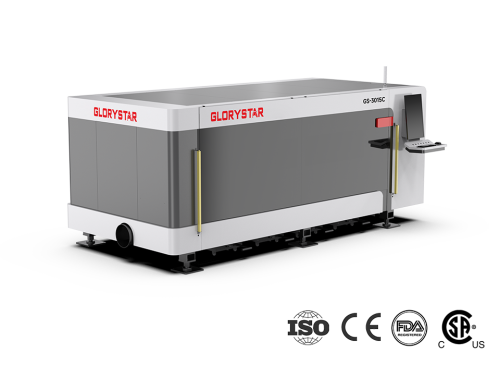
Laser power is one of the most important variables. Higher power systems deliver faster cutting speeds and the ability to process thicker materials, but they also increase the initial investment and overall equipment cost. Choosing the right power level depends on production requirements rather than simply opting for the highest specification.
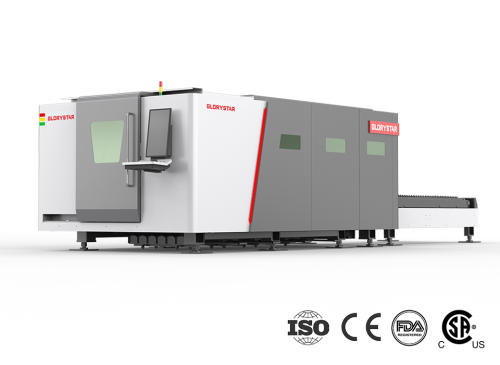
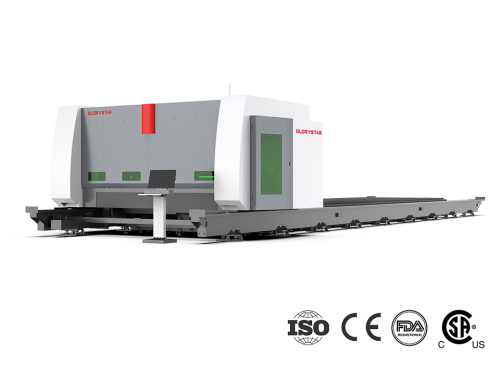
Machine size and working area also play a role. Larger worktables allow for processing bigger sheets and improving material utilization, which can reduce waste and increase efficiency. However, this also affects the total budget required for the equipment, making it important to align machine size with actual production needs.
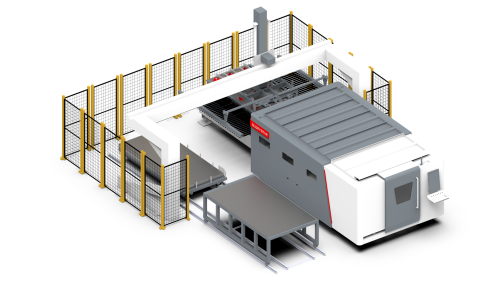
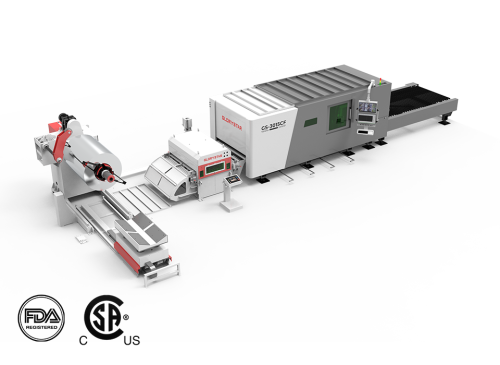
Automation level has become a major factor in recent years. While manual systems may reduce the upfront purchase investment, automated solutions—such as loading and unloading systems—can significantly reduce labor dependency and improve throughput. For many US fabricators, automation is now a key driver of competitiveness.
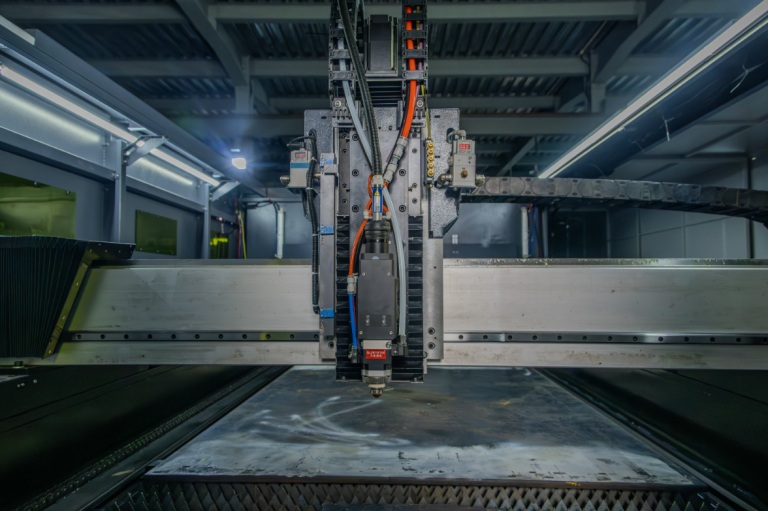
System configuration and component quality further influence the overall cost-performance balance of the system. High-quality cutting heads, stable control systems, and advanced software all contribute to better performance and reduced downtime, which ultimately affects long-term value.
Hidden Costs That Are Often Overlooked
One of the most common mistakes when evaluating the overall investment in a laser cutting system is ignoring ongoing operational expenses. These hidden costs can have a significant impact over time.
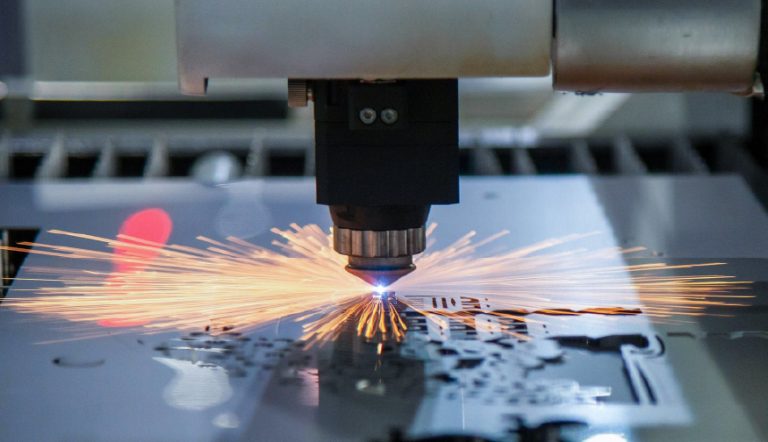
Assist gases, such as nitrogen and oxygen, are essential for cutting different materials and can represent a substantial portion of operating expenses. Electricity consumption is another important factor, especially for higher-power systems that run continuously.
Maintenance and servicing should also be considered. Regular upkeep, replacement parts, and technical support all contribute to the total cost over the machine’s lifecycle.
Labor is another critical component. Machines that require constant manual operation increase workforce dependency, while more automated systems can reduce staffing needs and improve consistency.
By considering these factors, fabricators can gain a more realistic understanding of the true cost of operating a laser cutting machine.
Evaluating Return on Investment
Rather than focusing solely on reducing the laser cutting machine cost, successful manufacturers prioritize maximizing return. A higher initial investment can often deliver greater long-term value if it improves efficiency and output.
Key aspects to evaluate include increased production speed, reduced material waste, and lower labor requirements. These factors directly influence profitability and determine how quickly a machine can generate returns.
For many fabricators, the right system can significantly shorten the payback period by increasing throughput and reducing operational inefficiencies. This is why understanding the full laser cutting machine cost is essential for making a strategic investment decision.
Choosing the Right Solution for Your Production Needs
Selecting the right equipment involves balancing performance requirements with overall laser cutting machine cost.
Smaller job shops often prioritize flexibility and ease of use, while larger manufacturers focus on automation and scalability. Applications involving thicker materials typically require higher power systems to maintain efficiency.
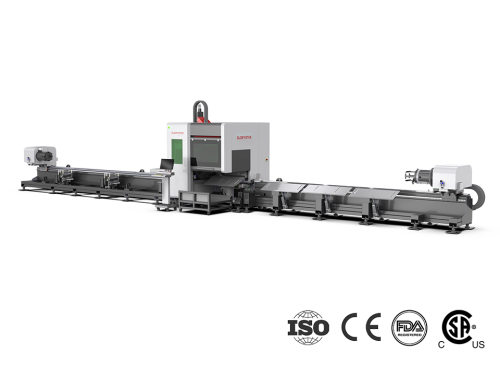
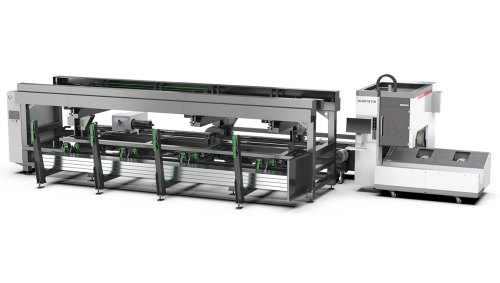
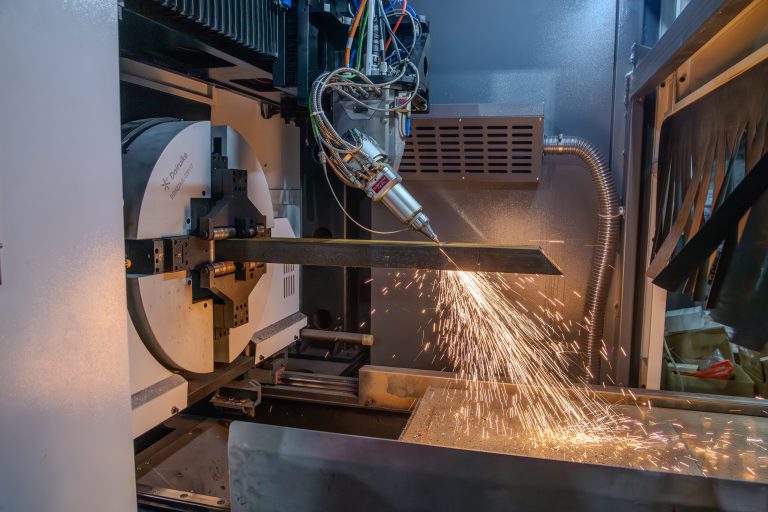
In recent years, many fabricators have also adopted more integrated solutions, such as machines capable of handling both sheet and tube processing, or systems equipped with automated loading features. While these configurations may increase the initial laser cutting machine cost, they offer significant advantages in productivity and workflow optimization.
For manufacturers looking to remain competitive in the US market, investing in the right combination of power, automation, and system design is becoming increasingly important.
Final Thoughts: Focus on Long-Term Value
Understanding the true laser cutting machine cost requires looking beyond the initial investment. It involves evaluating how the machine performs over time, how it impacts efficiency, and how it supports business growth.
In a market where productivity and cost control are critical, the right laser cutting solution is not just a purchase—it is a long-term investment in operational success.
By focusing on value rather than just price, US fabricators can make more confident decisions and position themselves for sustainable growth.