In the modern American manufacturing landscape, the decision to upgrade equipment is rarely about the "newest gadget." Instead, it is a calculated move to protect margins in an era of rising labor costs and tightening deadlines. For shop owners still relying on legacy plasma or oxy-fuel systems, the question isn’t whether fiber laser technology is superior—it’s how quickly the investment transforms from a capital expense into a profit engine.
The Fiber Laser Payback Period is often misunderstood by focusing only on the "sticker price." To see the true ROI, one must look at the entire lifecycle of a part, from raw material to the shipping dock.
1. The Death of Secondary Operations
In many US job shops, the "hidden" cost of production lies in what happens after the cut. Plasma and oxy-fuel systems, by their nature, use high heat that creates dross, slag, and a significant heat-affected zone. This necessitates an army of workers armed with grinders and files to make parts usable for welding or assembly.
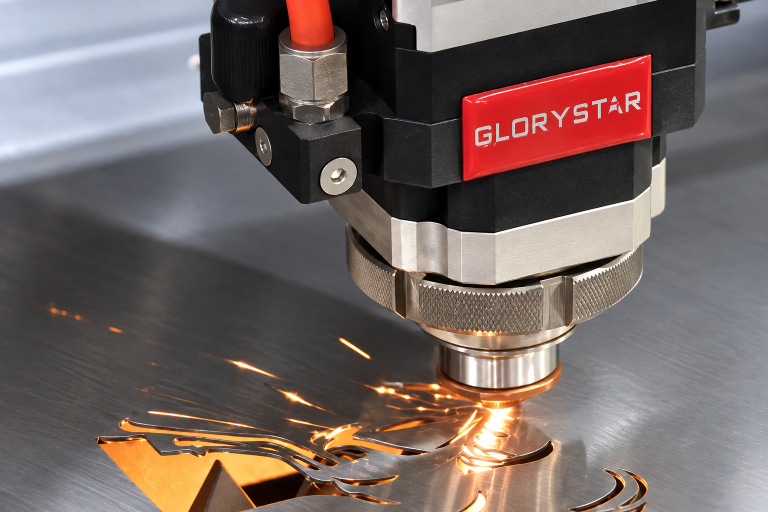
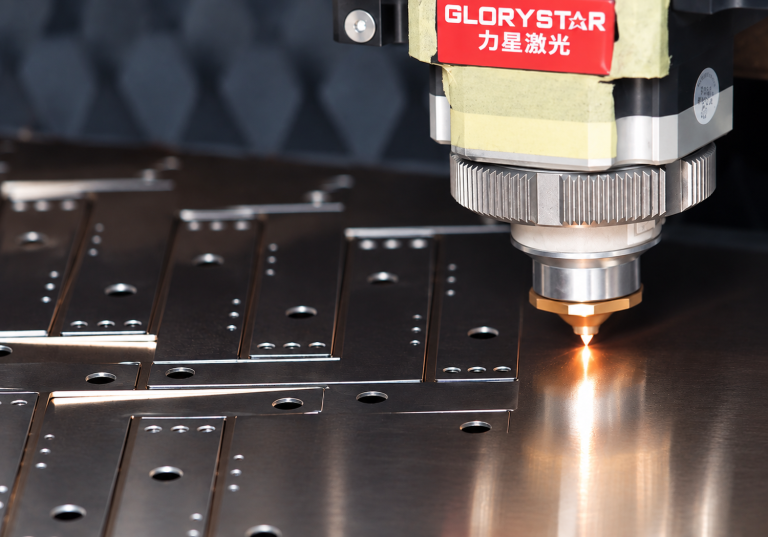
By transitioning to a fiber laser, you are effectively eliminating the "grinding department." Because fiber lasers deliver a high-density beam with minimal heat dispersion, the resulting edge is clean and precise. When you remove the need for secondary cleaning, you don't just save on abrasives; you reclaim hundreds of man-hours. In a market facing a massive shortage of skilled labor, reallocating your team from low-value grinding to high-value assembly is the fastest way to accelerate your payback period.
2. Engineering Stability for Constant Uptime
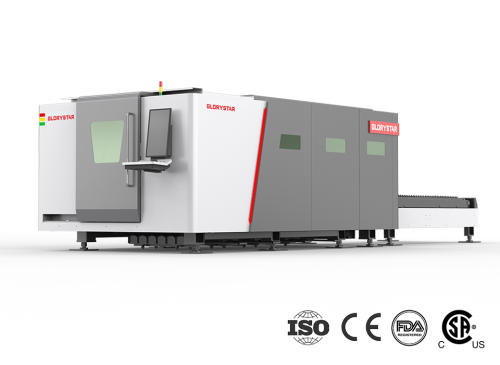
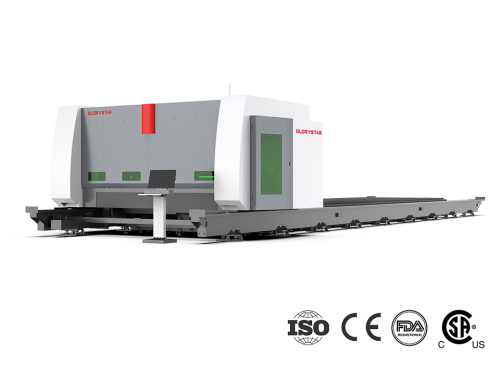
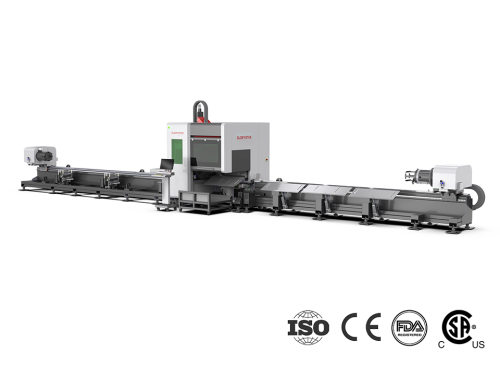
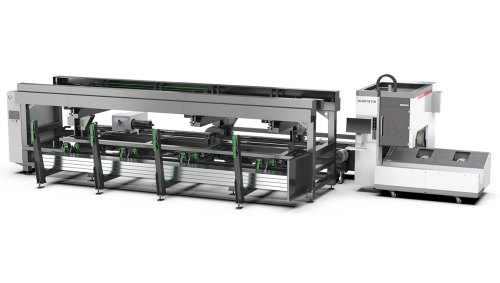
A machine can only pay for itself when the "green light" is on. This is where the physical build of the equipment becomes a financial factor. Our high-rigidity cutting bed is not just an engineering preference; it is a vibration-dampening necessity that preserves the life of the optical components and ensures consistent quality over years of heavy-use cycles.
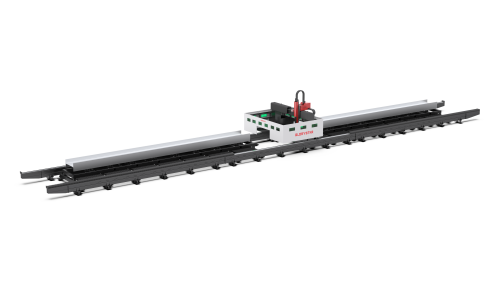
Complementing this is the aerospace-grade aluminum gantry. By utilizing a material with a high strength-to-weight ratio, the machine achieves the dynamic agility required for complex geometries without the mechanical fatigue seen in heavier, traditional steel beams. This reduced wear and tear means fewer maintenance interventions and a longer operational lifespan, directly extending the profitable years of the machine’s life.
3. Intelligence vs. Intuition: Solving the Talent Gap
American manufacturing is currently undergoing a massive generational shift. The "tribal knowledge" required to operate complex flame cutters is retiring. Relying on an operator’s "intuition" to set gas pressures or torch heights is a risk to your consistency.
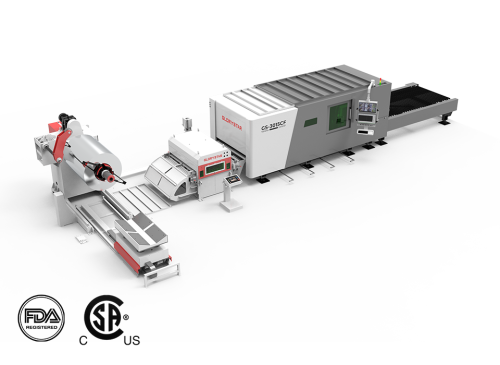
Modern Smart Control Systems bridge this gap. By embedding expertise into the software, the machine handles the nuances of material fluctuations and path optimization. This democratization of high-end fabrication means your ROI is no longer tethered to a single "master operator." With an intuitive interface, your team can achieve peak productivity faster, reducing the costly "scrap and rework" phase that often plagues new equipment installations.
4. Environmental Compliance as an Asset
The regulatory environment in the US is increasingly focused on indoor air quality and environmental impact. Legacy cutting methods are notoriously difficult to vent, often leading to expensive air-filtration challenges or OSHA concerns.
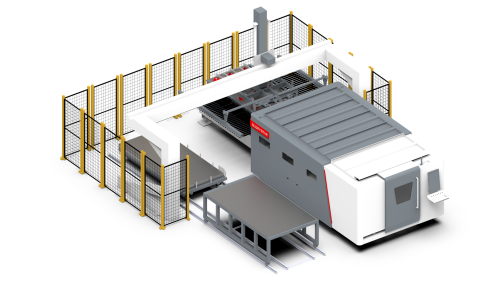
Investing in a system with an eco-friendly zoned dust extraction system is a proactive financial move. By capturing particulates at the source, you protect your employees' health and reduce the maintenance load on your building’s HVAC system. Avoiding a single environmental fine or a spike in insurance premiums is a "stealth" contribution to a shorter payback period that many owners overlook.
5. The Support Ecosystem: Beyond the Hardware
The final piece of the payback puzzle is the "Safety Net." In a global supply chain, local uptime is king. A machine backed by 24/7 online technical support and professional training ensures that the learning curve is a ramp, not a cliff. This partnership ensures your team utilizes the machine’s advanced features to minimize material waste—turning what used to be scrap into sellable parts.
Conclusion: The New Math of Fabrication
The Fiber Laser Payback Period is a story of efficiency winning over tradition. When you subtract the costs of secondary labor and add the precision of aerospace-grade engineering and stable, intelligent operation, the transition from legacy cutting to fiber laser isn't just an upgrade—it's a total business transformation.
For the American fabricator looking to thrive in 2025 and beyond, the question isn't whether you can afford to switch to a fiber laser. Given the cost of wasted time, wasted material, and labor, the question is: can you afford to wait?