Why Laser Cutting Equipment Upgrade Decisions Are Happening Earlier in U.S. Fabrication Shops
For many American metal fabrication shops, a laser cutting equipment upgrade doesn’t begin with a breakdown or an emergency repair.
It begins with pressure.
The laser cutting machine still runs.
Parts are still getting cut.
The shop floor looks busy.
But delivery schedules are getting tighter, margins feel thinner, and every new order seems to demand more coordination than the last. At that point, shop owners start asking a different kind of question—not whether the machine works, but whether it still works for the business they are running today.
The Reality on the Shop Floor in U.S. Manufacturing
Walk into a typical metal fabrication shop anywhere in the United States.
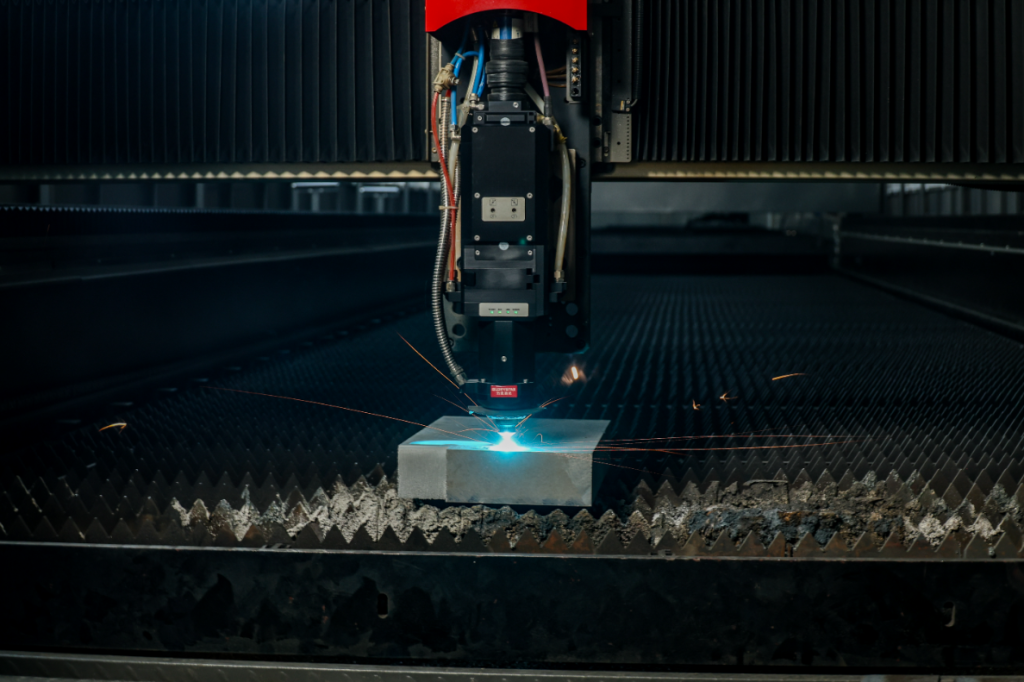
You’ll see fiber lasers cutting sheet metal, forklifts moving material, and operators managing jobs back-to-back. On the surface, operations appear stable.
But talk to the owner, plant manager, or production supervisor, and a pattern emerges:
Lead times are harder to lock in
Rush jobs create stress instead of opportunity
Production planning feels tighter than it used to
Overtime is becoming the safety net
None of these issues point directly to machine failure.
Yet all of them signal that the current system is being pushed to its limits.
“It Still Works” — A Common but Costly Mindset
In American manufacturing, replacing equipment that still runs goes against instinct.
A laser cutting machine that is:
Fully paid off
Familiar to the crew
Maintained internally
feels like an asset that should be kept as long as possible.
That mindset makes sense—until it starts quietly increasing risk.
Because production slowdowns rarely happen overnight. Instead, they appear gradually, disguised as operational inconvenience rather than equipment limitations.
This is where many laser cutting equipment upgrade decisions get delayed—often longer than they should.
Where Bottlenecks Really Come From
When demand increases and delivery expectations tighten, older laser cutting systems begin to show constraints in ways that don ’ t appear on spec sheets.
Labor Dependency Increases
Only the most experienced operators can consistently achieve acceptable speed and quality. If they are unavailable, productivity drops immediately.
Setup and Changeover Take Longer
Jobs with frequent material or thickness changes slow the entire schedule, especially in mixed-production environments.
Night Shifts Lose Efficiency
Lights-out or minimally supervised shifts sound appealing, but older systems require constant attention, limiting real automation potential.
Quoting Becomes Conservative
Sales teams hesitate to commit to aggressive lead times because production no longer has buffer capacity.
All of this contributes to one outcome: less confidence.
And confidence is exactly what manufacturers need to grow.
The Question That Changes Everything
Most shop owners don’t decide on a laser cutting equipment upgrade because of internal frustration alone.
The real turning point often comes from a customer.
A long-term client asks:
“Can you handle this volume next quarter?”
“Can you keep this lead time if demand increases?”
These questions are not complaints—they’re opportunities.
But if the answer requires stretching labor, adding overtime, or accepting higher risk, the conversation changes.
At that moment, the upgrade decision stops being about technology.
It becomes about protecting customer relationships.
Redefining What a Laser Cutting Equipment Upgrade Really Means
A modern laser cutting equipment upgrade is not about chasing the newest features or the highest wattage.
For most U.S. fabrication shops, it’s about regaining operational control.
That includes:
More consistent cutting quality across long production runs
Faster setups and smoother job transitions
Reduced reliance on a few highly skilled operators
Predictable output that supports shorter delivery lead times
One shop owner summarized it clearly:
“We didn’t upgrade because the old machine failed.
We upgraded because the business outgrew it.”
Why Fiber Laser Technology Is Central to Today ’ s Upgrade Decisions
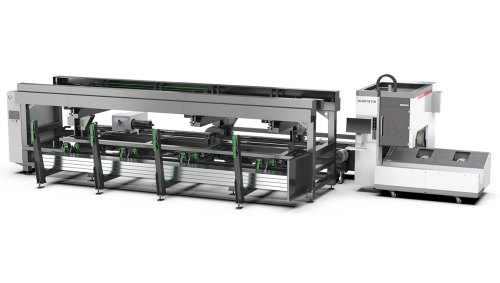
Fiber laser cutting machines have become the backbone of modern metal fabrication for a reason.
Compared to older systems, they offer:
Higher energy efficiency
Lower maintenance requirements
Faster cutting speeds on common materials
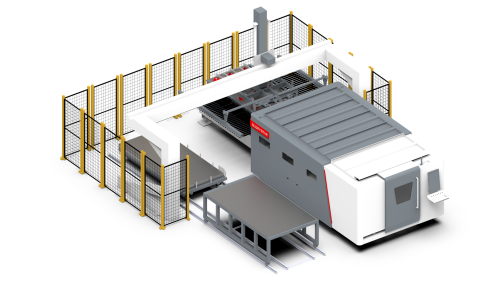
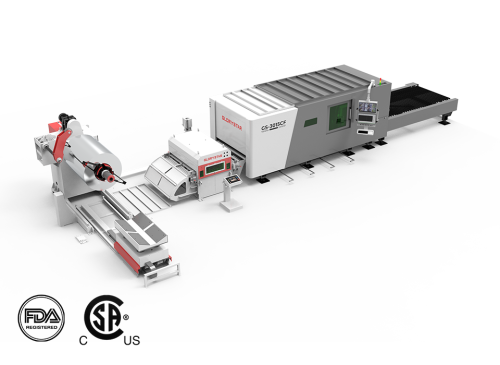
Better compatibility with automation systems
For shops considering a laser cutting equipment upgrade, fiber laser technology often represents not just an improvement—but a shift toward long-term scalability.
Especially in markets where labor costs continue to rise, automation-ready equipment is no longer optional.
What We See Across American Fabrication Shops
At Glorystar, we regularly speak with U.S. manufacturers facing this exact stage of growth.
They are not startups.
They are not struggling shops.
They are established businesses with steady demand—and increasing pressure to deliver faster, more consistently, and with fewer production disruptions.
In nearly every case, the challenge is the same:
The equipment still works.
The system no longer scales.
That’s why our approach to laser cutting solutions focuses on stability, automation readiness, and real-world production efficiency—not just technical specifications.
The Hidden Cost of Waiting Too Long
Delaying a laser cutting equipment upgrade rarely causes immediate failure.
Instead, the cost accumulates quietly:
Opportunities declined due to capacity limits
Lead times extended to reduce risk
Stress transferred from systems to people
Over time, these costs can exceed the investment required to upgrade—without ever appearing as a single line item on a balance sheet.
A Final Question for Growing Shops
Every fabrication shop reaches this crossroads at a different time.
But the question is universal:
If delivery performance is slipping—not because demand is weak,
but because your production system is stretched—
how long can your business afford to wait?
A laser cutting equipment upgrade is not about replacing a machine that no longer works.
It’s about ensuring the business behind that machine continues to move forward.