Introduction
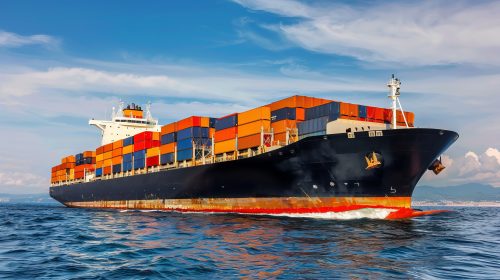
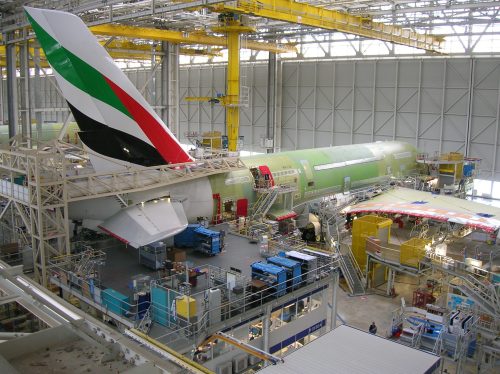
Shipbuilding is one of the most demanding industries in heavy manufacturing, requiring the processing of large, thick steel plates with extreme precision. As global demand for efficient and high-quality vessels continues to grow, shipbuilding laser cutting is becoming an essential technology for manufacturers looking to improve productivity while reducing costs.
This is where shipbuilding laser cutting technology is changing the industry. Traditional cutting methods have been widely used for decades, but they often struggle to meet modern requirements for accuracy, speed, and automation.
In this article, we will compare laser cutting with traditional methods in shipbuilding and explain why more manufacturers are upgrading to advanced fiber laser solutions.
Why Shipbuilding Requires Advanced Cutting Technology
Shipbuilding involves processing thick steel plates and complex structural components that must meet strict engineering standards. Any deviation in cutting precision can affect the structural integrity of the vessel.
Common shipbuilding challenges include cutting thick steel efficiently, maintaining consistent precision across large components, reducing production time, and controlling labor costs. These requirements make the industry highly dependent on reliable and advanced cutting technology.
Traditional Cutting Methods in Shipbuilding
Before the rise of shipbuilding laser cutting, shipyards mainly relied on plasma cutting and flame cutting.
Plasma cutting is widely used because of its relatively low cost and fast cutting speed. It is suitable for medium-thickness materials and can handle a variety of metals. However, it often produces lower precision compared to laser cutting, and the edge quality is not always clean, which means additional finishing processes are usually required.
Flame cutting, also known as oxy-fuel cutting, is commonly used for very thick steel plates. While it is effective for heavy materials, it has several limitations. The cutting process is slower, the heat-affected zone is larger, and material deformation is more significant. As a result, it often leads to higher post-processing costs and longer production cycles.
Key Limitations of Traditional Methods
Although traditional cutting methods are still used in some shipyards, they present several major challenges in modern manufacturing environments.
First, they lack consistent cutting precision, which can lead to assembly issues and reduced product quality. Second, their slower cutting speeds limit production efficiency, especially for large-scale projects. Third, traditional methods rely heavily on manual labor, resulting in higher labor costs and lower automation capability. Finally, they often require additional post-processing, which increases both time and overall production cost.
These limitations make it increasingly difficult for manufacturers to remain competitive, especially when compared to modern shipbuilding laser cutting solutions.
How Fiber Laser Cutting Solves These Challenges
Fiber laser technology provides a powerful alternative that addresses the key limitations of traditional methods.
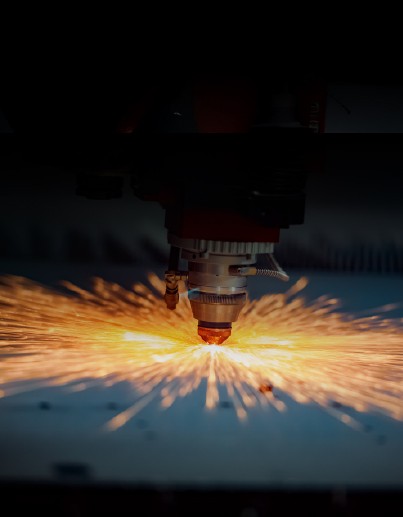
One of the biggest advantages of shipbuilding laser cutting is its ability to handle thick steel plates with high stability and precision. Advanced fiber laser systems deliver clean, accurate cuts with minimal thermal impact, which helps reduce material deformation and eliminates the need for extensive secondary processing.
Another major benefit is cutting efficiency. Laser cutting significantly improves production speed, allowing manufacturers to complete large-scale projects in shorter timeframes. This is especially important in shipbuilding, where deadlines are often tight and delays can be costly.
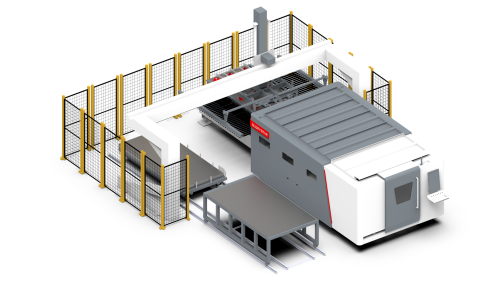
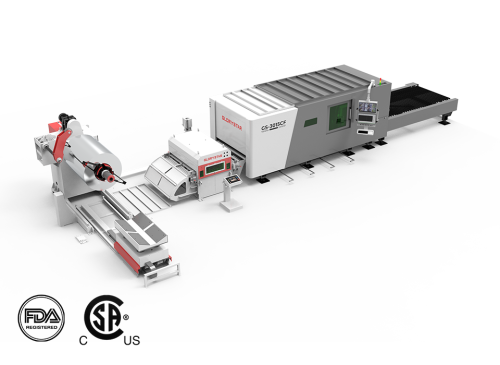
In addition, fiber laser systems are highly compatible with automation. With features such as automatic loading and unloading systems, shipyards can build more efficient production lines, reduce manual labor, and improve overall workflow consistency.
Applications of Laser Cutting in Shipbuilding
Shipbuilding laser cutting is widely used across many critical applications in the industry.
It is commonly applied in hull plate cutting, where large steel sheets need to be processed with high precision. It is also used for structural steel fabrication, including frames and support components that require accurate dimensions.
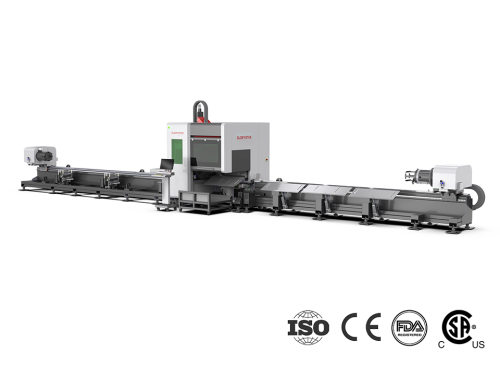
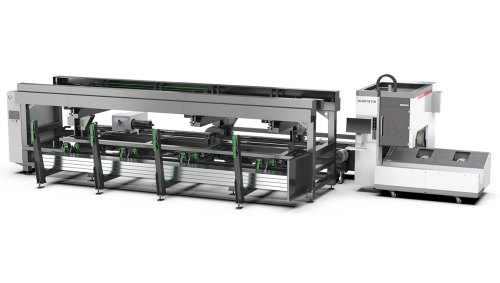
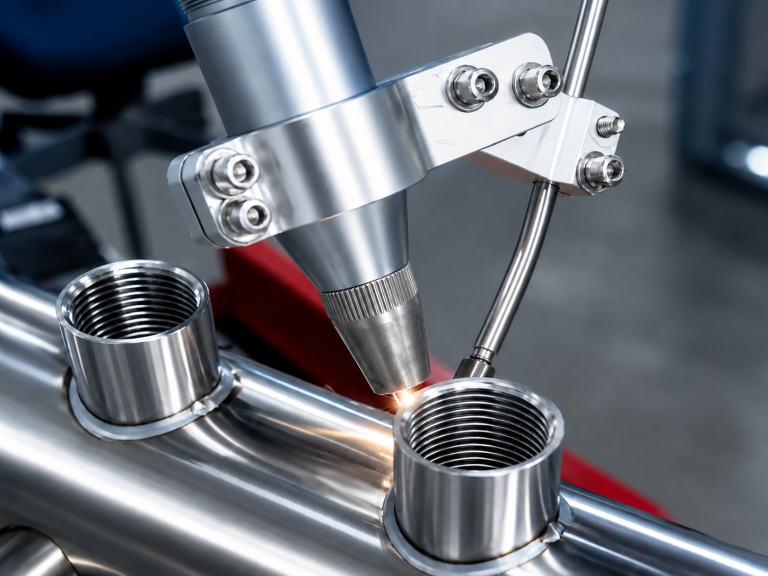
In addition, laser cutting is ideal for processing ship piping systems and tubing, where clean and precise cuts are essential for proper assembly. It is also used in the production of custom components for both commercial vessels and naval ships.
These applications highlight how important precision and efficiency are in modern shipbuilding, and why laser technology has become increasingly essential.
Real Benefits for Shipbuilders
By adopting shipbuilding laser cutting, manufacturers can significantly improve their overall production performance.
One of the most noticeable benefits is the increase in production speed, which allows shipbuilders to complete projects faster and take on more orders. At the same time, the improved cutting accuracy reduces errors and ensures better consistency across all components.
Another important advantage is the reduction in labor costs. With automation capabilities, fewer manual operations are required, which not only lowers costs but also improves safety in the workplace.
Overall, shipbuilding laser cutting helps manufacturers achieve higher efficiency, better quality, and lower operational costs, making it a key technology for the future of the industry.
Why Choose Glorystar for Shipbuilding Laser Solutions
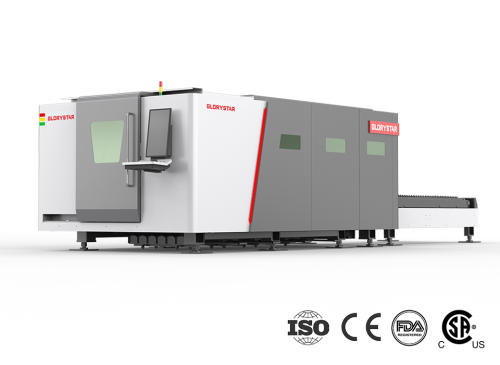
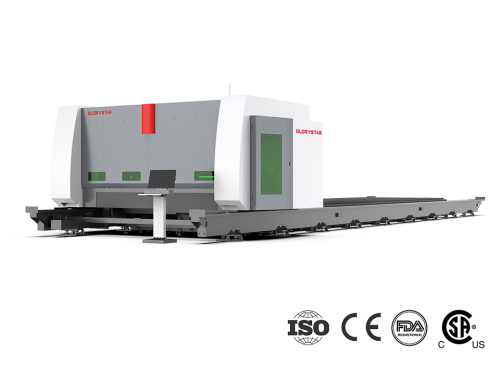
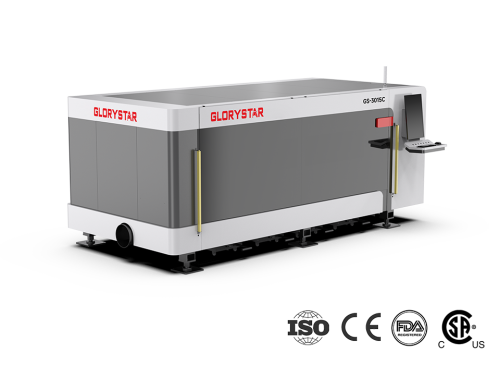
Glorystar provides advanced shipbuilding laser cutting solutions designed specifically for industrial applications.
Our machines are built to handle high-power cutting tasks, making them suitable for thick steel and demanding shipbuilding environments. They offer stable and reliable performance, ensuring consistent results even during long production cycles.
In addition, our systems support optional automatic loading and unloading, enabling manufacturers to build highly efficient and automated production lines. Combined with our global service network, we provide technical support and training to help customers achieve smooth and uninterrupted operation.
If you are looking to upgrade your shipbuilding production capabilities, our solutions can help you achieve higher efficiency and long-term operational success.
Conclusion
Shipbuilding is evolving, and traditional cutting methods are no longer enough to meet modern demands. While plasma and flame cutting still play a role in certain applications, they are limited in terms of precision, efficiency, and automation.
Shipbuilding laser cutting offers a powerful and future-ready solution that helps manufacturers improve productivity, reduce costs, and achieve higher quality standards.
For shipbuilders looking to stay competitive in a rapidly changing industry, investing in advanced laser cutting technology is no longer optional—it is the next step forward.