When comparing laser cutting vs plasma cutting cost, many manufacturers focus only on the machine price. However, the real decision is far more complex. Total cost depends not only on the initial investment but also on operating expenses, productivity, maintenance, and long-term efficiency.
In modern metal fabrication industries such as shipbuilding, automotive, and heavy machinery, understanding the true cost difference between laser and plasma cutting is essential for making a profitable investment decision. This article breaks down the cost structure of both technologies to help you determine which solution is more cost-effective for your production needs.
Initial Investment Cost: Plasma Is Cheaper Upfront
One of the most obvious differences in laser cutting vs plasma cutting cost is the initial purchase price.
Plasma cutting systems generally require a lower upfront investment. Entry-level plasma machines are more affordable and easier to install, making them attractive for small workshops or businesses with limited budgets.
Laser cutting machines, especially fiber laser systems, require a higher initial investment. High-power systems designed for thick steel processing can significantly increase upfront costs due to advanced components such as laser sources, cutting heads, and control systems.
However, focusing only on purchase price can be misleading. While plasma is cheaper initially, this does not necessarily mean it is more economical in the long run.
Operating Cost: Where Laser Starts to Compete
Operating expenses are a key factor in laser cutting vs plasma cutting cost comparison.
Plasma cutting typically consumes more electricity and requires frequent replacement of consumables such as electrodes and nozzles. Gas usage is also relatively high depending on the application.
Laser cutting systems, on the other hand, are more energy-efficient. Fiber laser machines require less maintenance and have fewer consumable parts. Although assist gases like oxygen or nitrogen are still needed, overall consumption is often lower compared to plasma systems.
As production volume increases, these operational savings become more significant, making laser cutting more competitive over time.
Cutting Quality and Post-Processing Costs
Another major factor influencing laser cutting vs plasma cutting cost is cut quality.
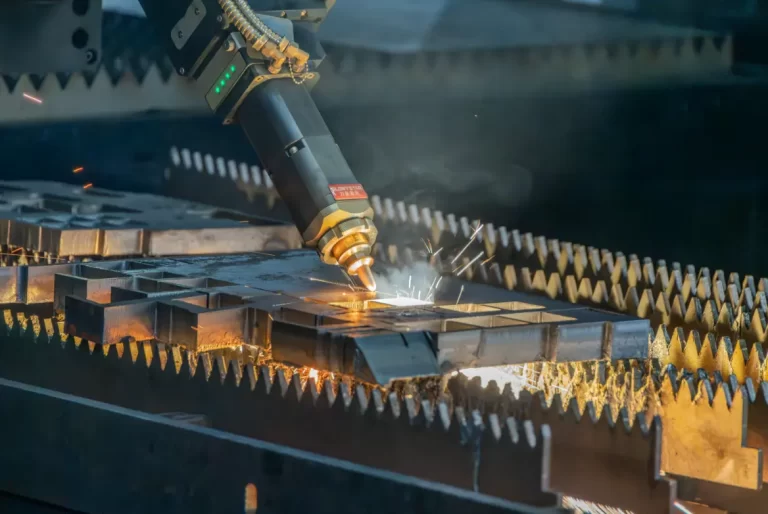
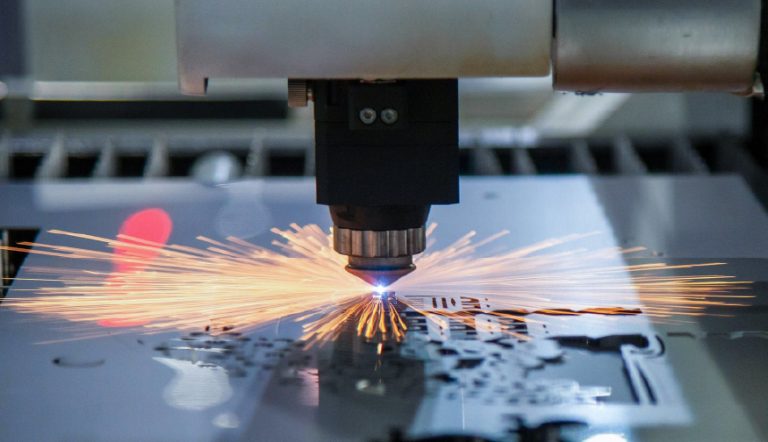
Laser cutting produces a cleaner, smoother edge with high precision. In many cases, parts require little to no secondary processing. This reduces labor costs and shortens production time.
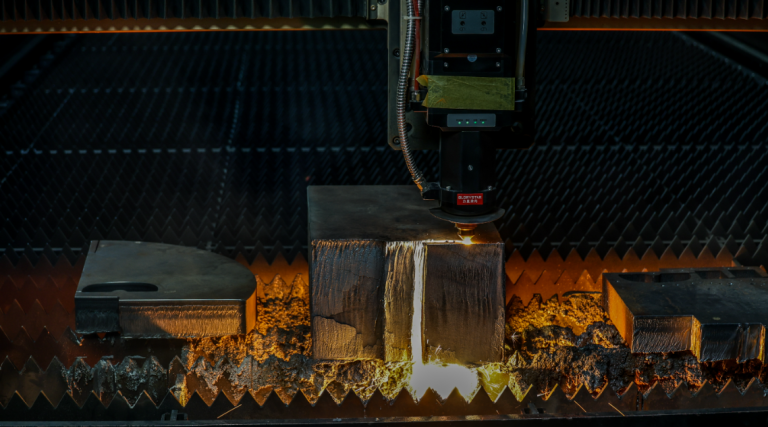
Plasma cutting, while effective for thick materials, often produces rougher edges and a wider heat-affected zone. This usually requires additional grinding, machining, or finishing processes, increasing total production cost.
When post-processing is included in the cost calculation, laser cutting often becomes more economical than it initially appears.
Productivity and Efficiency
Productivity plays a critical role in overall laser cutting vs plasma cutting cost efficiency.
Laser cutting systems generally operate at higher cutting speeds, especially on thin to medium-thickness materials. They also offer higher automation capability, enabling continuous production with less manual intervention.
Plasma cutting is slower in precision applications and may require more operator involvement, particularly when handling complex shapes or tight tolerances.
Higher productivity means more output in less time, which directly reduces cost per part for laser systems in many industrial scenarios.
Cost per Hour and Cost per Part
To truly understand laser cutting vs plasma cutting cost, it is important to evaluate cost per hour or cost per part rather than just equipment price.
Plasma systems may have lower hourly machine cost in small-scale operations. However, when factoring in slower cutting speed, higher consumable usage, and additional finishing work, the cost per finished part can increase significantly.
Laser cutting systems often have higher hourly depreciation costs, but they compensate through faster processing, reduced waste, and minimal post-processing requirements.
Hidden Costs: Maintenance and Labor
Hidden costs are often overlooked in laser cutting vs plasma cutting cost analysis.
Plasma systems require more frequent maintenance and consumable replacement. This leads to higher downtime and increased labor involvement.
Laser cutting machines are more stable and require less frequent maintenance. Many modern systems also integrate automation such as loading and unloading systems, reducing labor dependency and long-term operational costs.
Over time, these hidden savings significantly impact total cost of ownership.
Total Cost of Ownership (TCO)
When evaluating laser cutting vs plasma cutting cost, the most important metric is total cost of ownership (TCO), not just purchase price.
Cost Factor
Laser Cutting
Plasma Cutting
Initial Cost
Higher
Lower
Operating Cost
Lower
Higher
Cutting Quality
High
Medium
Post-Processing
Minimal
High
Labor Requirement
Low
Medium-High
Long-Term ROI
Higher
Lower
From a long-term perspective, laser cutting often provides better return on investment, especially for medium to large-scale production environments.
Which One Is More Cost-Effective?
The answer to laser cutting vs plasma cutting cost depends on application and production scale.
Plasma cutting is more cost-effective for:
Small workshops with limited budgets
Very thick material cutting where precision is less important
Low production volume applications
Laser cutting is more cost-effective for:
High-volume manufacturing
Precision metal fabrication
Industries requiring consistent quality and automation
Long-term cost reduction strategies
Conclusion
In summary, the comparison of laser cutting vs plasma cutting cost shows that plasma systems have an advantage in initial investment, while laser cutting offers superior long-term efficiency and lower overall production costs.
For businesses focused on scalability, automation, and long-term profitability, laser cutting is increasingly becoming the preferred solution. However, the final choice should always depend on production requirements, material types, and budget strategy.
Understanding the full cost structure—not just the purchase price—is the key to making the right investment decision in modern metal fabrication.