Introduction
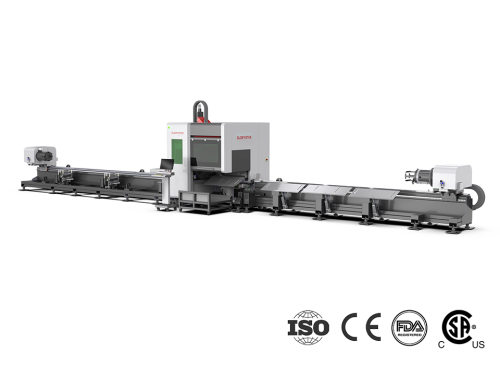
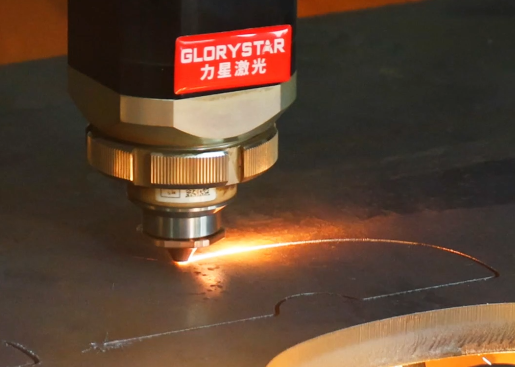
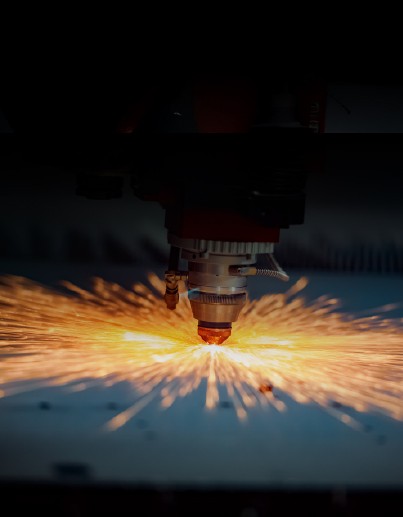
Many manufacturers invest in high-power fiber laser cutting machines with the expectation of dramatically increasing output in their sheet metal production operations. Faster cutting speeds, higher precision, and improved automation certainly contribute to productivity gains. However, many factory managers soon discover that increasing cutting speed alone does not automatically improve overall production capacity.
In modern sheet metal production, laser cutting is often only one step in a much larger manufacturing process. Once parts leave the cutting table, they must move through sorting, handling, bending, welding, inspection, and assembly. If any of these downstream operations cannot keep pace, production delays begin to accumulate.
As laser cutting technology continues to advance, many factories are finding that their biggest challenges no longer occur during cutting itself. Instead, the bottlenecks appear after cutting is completed. Understanding these bottlenecks is essential for improving workflow efficiency, reducing lead times, and maximizing the return on investment of laser equipment.
Why Faster Laser Cutting Does Not Always Increase Productivity
Years ago, laser cutting was often the slowest stage in manufacturing. Today, high-power fiber lasers can process large volumes of material at remarkable speeds. As a result, cutting may account for only a small portion of the total production cycle.
In many sheet metal production facilities, parts can be cut within minutes, but they may wait hours before reaching the next process. This imbalance creates work-in-progress inventory, increases floor congestion, and reduces overall production efficiency.
To achieve true productivity improvements, manufacturers must evaluate the entire workflow rather than focusing solely on cutting speed.
Bottleneck 1: Part Sorting and Material Handling
One of the most overlooked challenges in sheet metal production is the handling of finished parts immediately after cutting.
When multiple part designs are nested on a single sheet, operators often spend significant time identifying, separating, labeling, and transporting components. Small parts require extra attention to prevent loss or damage, while large batches can create confusion if sorting procedures are not standardized.
In some factories, the laser machine completes a cutting job in ten minutes, but operators spend twice as long collecting and organizing parts. This creates a bottleneck that limits the benefits of high-speed cutting.
Automated sorting systems, conveyor solutions, and intelligent material handling equipment can significantly reduce manual labor while keeping production moving efficiently.
Bottleneck 2: Insufficient Bending Capacity
Another common issue occurs when the cutting department produces parts faster than the bending department can process them.
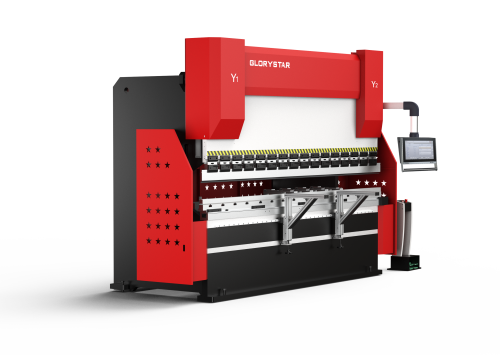
A laser cutting machine may generate hundreds of components per shift, but if press brake capacity remains unchanged, unfinished parts begin to accumulate. This backlog often results in delayed orders and increased overtime requirements.
Signs of a bending bottleneck include:
Large stacks of cut parts waiting for processing
Frequent scheduling conflicts between departments
Increased lead times despite fast cutting performance
Operators working overtime to clear production queues
To improve workflow balance, manufacturers should evaluate both cutting and bending capacity together. Upgrading press brakes, improving tooling strategies, or introducing automation can help eliminate this constraint.
Bottleneck 3: Welding Delays
Welding remains one of the most labor-intensive processes in metal fabrication.
Even when laser-cut parts are highly accurate, welders still need to position, align, clamp, and assemble components before joining them. Complex assemblies can significantly slow production, particularly in industries such as machinery manufacturing, electrical enclosures, agricultural equipment, and structural fabrication.
Many companies discover that welding becomes the primary bottleneck after investing in faster laser cutting equipment.
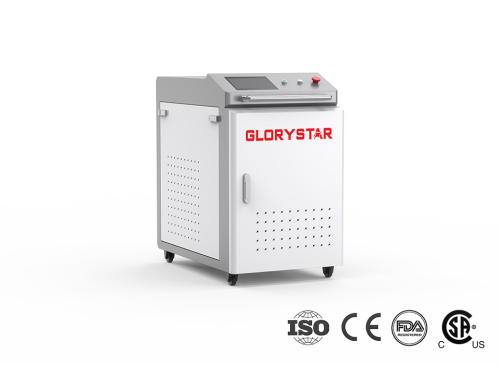
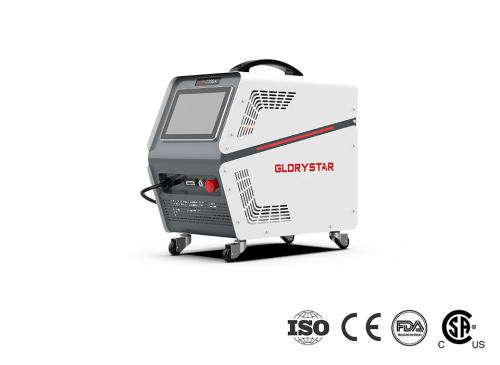
To address this challenge, manufacturers are increasingly adopting laser welding technology. Faster welding speeds, reduced heat distortion, and simplified finishing processes can help improve throughput while maintaining high product quality.
Bottleneck 4: Poor Production Scheduling
Equipment performance is only one part of an efficient manufacturing operation. Production planning also plays a critical role.
In many factories, departments operate independently rather than as part of a coordinated workflow. The cutting department may complete jobs ahead of schedule, while bending or welding teams are unaware that materials are ready.
Poor communication can create unnecessary waiting times between operations, even when all equipment is functioning properly.
Effective scheduling systems help ensure that materials move smoothly through every stage of the sheet metal production process. Digital production management tools can provide real-time visibility into job status, helping managers identify delays before they become serious problems.
Bottleneck 5: Quality Issues and Rework
Quality problems can have a significant impact on productivity.
When cut parts require additional grinding, deburring, correction, or replacement, valuable production time is lost. Even minor defects can create major delays if they are not discovered until later stages of manufacturing.
Common causes of rework include:
Incorrect cutting parameters
Material inconsistencies
Improper machine maintenance
Poor process control
Maintaining stable cutting quality helps reduce downstream disruptions and improves overall sheet metal production efficiency.
Regular inspections, operator training, and preventive maintenance programs are essential for minimizing rework and maintaining consistent output.
How to Improve the Entire Production Workflow
Eliminating bottlenecks requires a holistic approach rather than focusing on a single machine or department.
Manufacturers can improve performance by:
Standardizing Material Flow
Clearly defined procedures for sorting, labeling, and transporting parts reduce confusion and improve efficiency.
Balancing Department Capacity
Cutting, bending, welding, and assembly operations should be evaluated together to prevent one process from limiting the entire workflow.
Investing in Automation
Automated loading, unloading, material handling, and welding solutions can reduce labor requirements while increasing throughput.
Using Digital Monitoring Tools
Production management software provides visibility into machine utilization, job status, and workflow performance, helping managers make better decisions.
Continuously Analyzing Workflow Data
Tracking production metrics allows manufacturers to identify recurring bottlenecks and implement targeted improvements over time.
Conclusion
Investing in a faster laser cutting machine is an important step toward improving productivity, but it is rarely the complete solution. In modern sheet metal production, the greatest challenges often appear after the cutting process is finished.
Part sorting, material handling, bending capacity, welding efficiency, production scheduling, and quality control can all become major obstacles that limit overall output. By analyzing the complete workflow and addressing these bottlenecks systematically, manufacturers can improve production efficiency, reduce lead times, and maximize the value of their laser cutting investment.
Ultimately, the most successful factories are not simply those with the fastest cutting machines—they are the ones that optimize every stage of the sheet metal production process.