A laser cutting machine does not become uneconomical simply because it is old. If it can still produce the required parts at a reasonable cost, keeping it may be the right decision. However, when an aging machine starts consuming more money and production capacity without delivering enough value in return, it may be time to consider a laser machine upgrade.
For many manufacturers, this point is difficult to recognize because the machine may still be running every day. The better question is not, “Can I still use this machine?” but “Is this machine still the most cost-effective way to produce my parts?”
Start With the Real Cost of Your Current Machine
The purchase price of a laser cutting machine is only one part of its total cost. As equipment ages, other costs can gradually become more important.
Maintenance, replacement components, downtime, labor, material waste, and production delays all affect the actual cost of each finished part. A machine that looks inexpensive to keep may become expensive when these factors are added together.
For example, if an older machine requires frequent adjustments or repairs, operators may spend more time managing the equipment instead of producing parts. If cutting quality becomes inconsistent, additional material and labor may be needed for rework.
This means the first step is to evaluate the machine based on its current production cost, rather than its original purchase price.
Look at What Has Changed in Your Production
The next question is whether your production requirements have remained the same.
A machine that was suitable several years ago may no longer match today's workload. Your business may now be processing more orders, cutting thicker materials, handling larger sheets, or facing shorter delivery times.
When production demand increases, the limitations of older equipment become more visible. A machine may still complete every job, but it may take significantly longer to do so.
This creates an important distinction: the machine may still be functional, but it may no longer be productive enough for the business.
If production is consistently limited by cutting speed, machine capacity, setup time, or operator involvement, continuing with the same equipment can eventually cost more than upgrading.
Calculate the Cost of Downtime and Repairs
Maintenance becomes particularly important when breakdowns are no longer occasional.
A repair bill is easy to identify, but the production losses caused by a breakdown are often overlooked. When a machine stops, operators may be idle, orders may be delayed, and other equipment may need to take on additional work.
The real cost of an aging machine therefore includes both repair expenses and lost production time.
If maintenance costs are increasing year after year while downtime is becoming more disruptive, manufacturers should compare these expenses with the investment required for newer equipment.
This comparison often gives a clearer answer than simply asking whether the old machine can continue running.
Check Whether Quality Is Increasing Your Cost
Cost-effectiveness also depends on how consistently the machine produces acceptable parts.
When a laser cutting machine begins to show more variation in cutting quality, manufacturers may face additional inspection, rework, scrap, or finishing requirements.
Even a small increase in rejected or reworked parts can affect profitability when production volumes are high.
This is why machine condition should be evaluated together with production quality. If maintaining the required cutting results requires increasingly frequent adjustments and operator intervention, the machine may already be approaching the point where replacement makes more financial sense.
Find the Point Where Keeping the Machine Costs More
At this stage, manufacturers can make a simple comparison.
Cost of keeping the current machine:
Maintenance + downtime + labor + waste + lost production capacity
Cost of upgrading:
New equipment investment + installation + training + transition costs
The purpose is not to assume that a new machine is always better. In some situations, keeping an existing machine is still the most economical choice.
However, if the ongoing cost of operating the old machine continues to rise while its productivity remains limited, the balance begins to change.
That is the point where a laser machine upgrade becomes worth serious consideration.
An Upgrade Should Solve the Problems of the Old Machine
Once the decision to upgrade has been made, manufacturers should avoid choosing a new machine based only on higher laser power or a lower purchase price.
The new equipment should directly address the reasons the previous machine became uneconomical.
When production is being held back by cutting speed, the new machine should provide the performance needed to meet current output requirements. Frequent downtime makes machine stability and reliable service support more important, while rising labor costs may justify equipment with more efficient operating and material-handling functions.
The right laser machine upgrade is therefore not simply a newer version of the same machine. It should improve the overall production process.
Think About the Next Several Years
A machine upgrade is a long-term investment, so the decision should also consider future production requirements.
Buying equipment that only meets today's workload may leave the same problem several years later. On the other hand, investing in capabilities that your business will never use can unnecessarily increase the initial cost.
The better approach is to identify the materials, thicknesses, production volume, and workflow you realistically expect to handle in the coming years. Then choose equipment that provides enough capacity without paying for unnecessary features.
When an Upgrade Becomes the More Economical Choice
A laser cutting machine does not need to be completely broken before replacement makes sense.
If production is slowing down, maintenance is increasing, downtime is affecting delivery, cutting quality requires more intervention, and labor costs are rising, the machine may already be costing more than it appears.
For manufacturers in this situation, a laser machine upgrade can be a way to improve the overall cost structure of production rather than simply replacing old equipment.
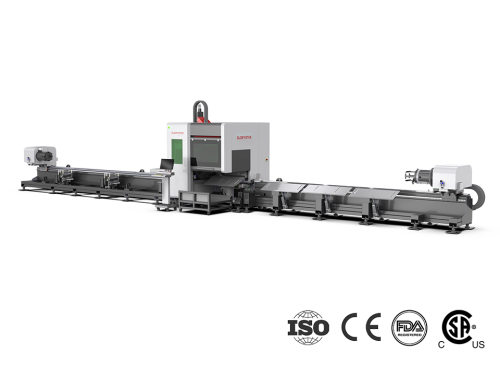
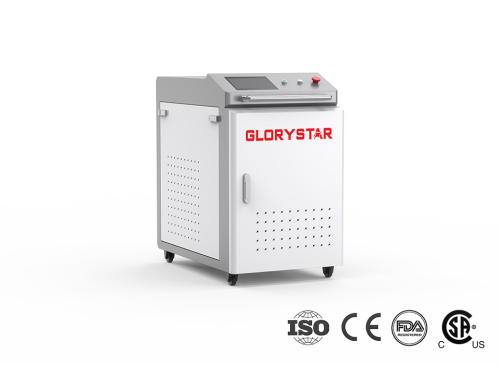
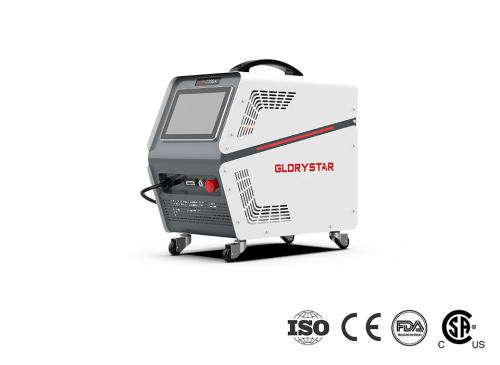
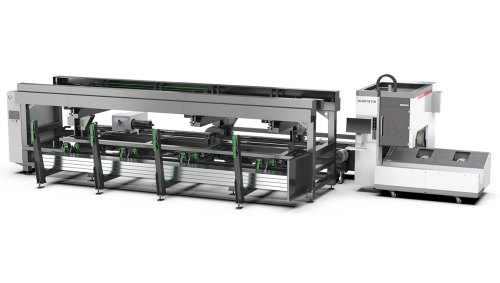
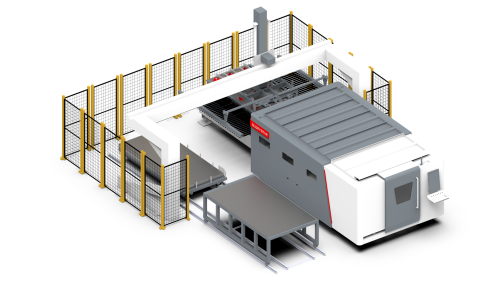
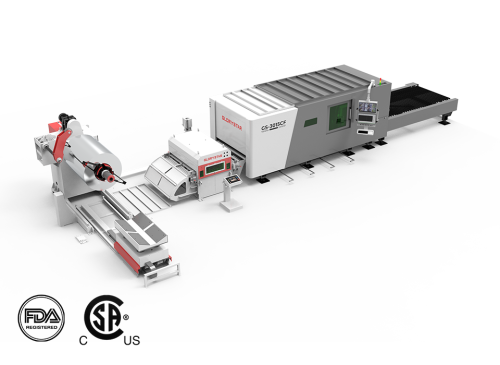
With more than 20 years of experience in laser equipment manufacturing, Glorystar Laser provides fiber laser cutting solutions for different industrial production requirements, including sheet metal and tube cutting applications. By understanding a customer's materials, production requirements, and expected workload, Glorystar helps manufacturers select suitable equipment and control investment costs as much as possible.
The most important question is therefore not whether your current machine can still run. It is whether keeping it is still the most economical decision for your business. When the answer starts to change, upgrading the equipment may be the more practical path forward.