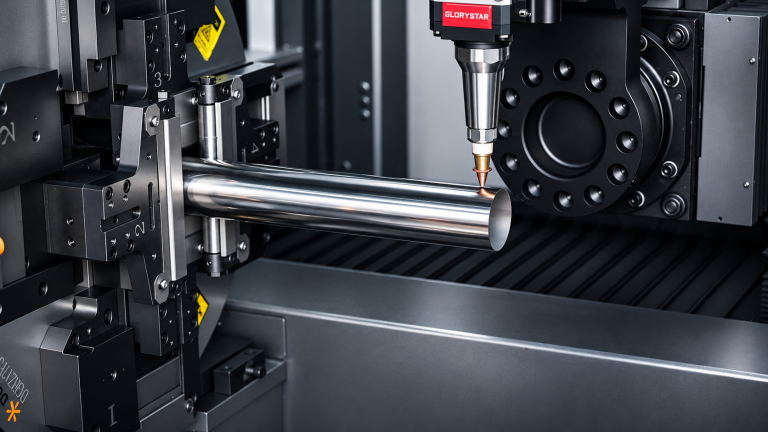
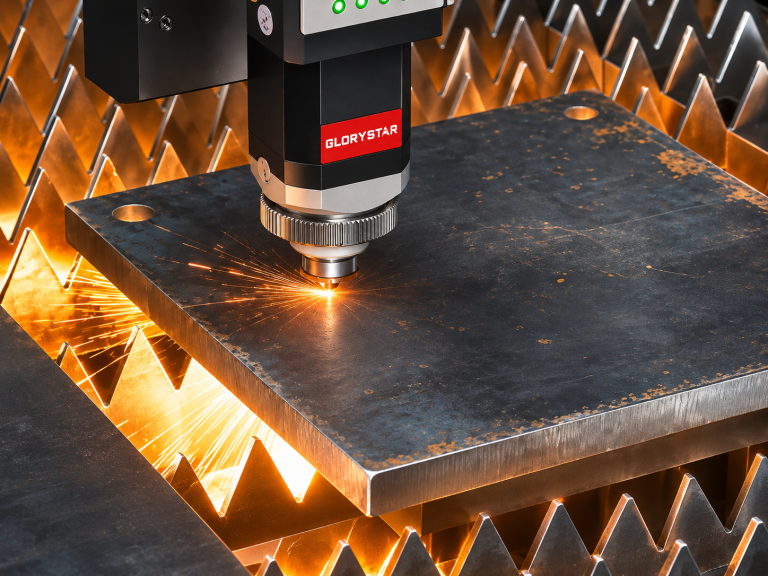
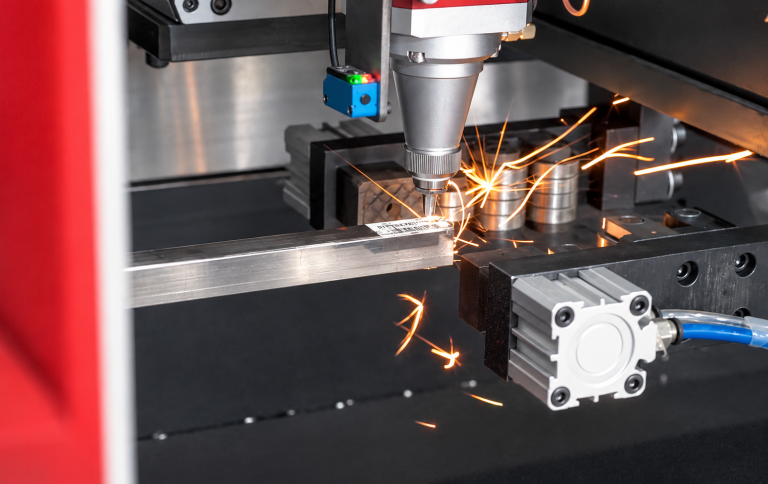
Can a laser cutting machine cut reflective metal? Yes. Modern fiber laser cutting machines can process reflective materials such as copper, aluminum, and brass. However, these metals behave differently from carbon steel and stainless steel during laser cutting. Their high reflectivity and thermal conductivity can affect energy absorption, cutting stability, and edge quality. Understanding these differences helps metal fabricators choose suitable equipment and improve production results.
Why Is Reflective Metal Difficult to Cut?
The main challenge when cutting reflective metal is how the material interacts with laser energy.
First, some metals reflect a significant portion of the incoming laser beam, particularly when their surfaces are smooth or polished. This reduces the energy initially absorbed by the material and can make it more difficult to establish a stable cutting process.
Second, reflective metals such as copper and aluminum have high thermal conductivity. Heat spreads quickly from the cutting area into the surrounding material, making it harder to maintain sufficient energy concentration for melting and material removal.
There is also a potential equipment concern. Reflected laser energy may travel back toward the cutting head or laser source. Therefore, machines used for reflective materials should have suitable back-reflection protection.
Can a Fiber Laser Cut Copper?
Copper is one of the more challenging materials for laser cutting because of its high reflectivity and excellent thermal conductivity.
When a laser beam first reaches a copper surface, part of the energy may be reflected. Meanwhile, the material rapidly transfers absorbed heat away from the cutting zone. These characteristics make stable cutting more demanding, particularly when processing thicker copper sheets.
To improve copper cutting performance, manufacturers should consider several factors:
Laser power: Sufficient power density is needed to establish and maintain the cutting process.
Focus position: Correct focusing helps concentrate laser energy in the cutting zone.
Assist gas: Gas type and pressure influence molten material removal and edge quality.
Material thickness: Thicker copper generally requires more energy and carefully adjusted cutting parameters.
Modern fiber laser systems can process copper, but suitable settings depend on the copper grade, thickness, and machine configuration.
What Makes Aluminum Challenging to Laser Cut?
Aluminum is widely used in automotive parts, electronic enclosures, aerospace components, and general metal fabrication. Although it can be processed with fiber laser technology, its material properties require careful process control.
Aluminum has relatively high reflectivity and thermal conductivity. Its surface also naturally develops an oxide layer, which can influence how laser energy interacts with the material.
Different aluminum alloys may produce different cutting results under the same conditions. For example, alloy composition, surface condition, and material thickness can all influence the cutting process.
For more consistent results, manufacturers should select a laser system suitable for aluminum processing, adjust the focus and cutting parameters according to material thickness, and choose an appropriate assist gas.
Nitrogen is commonly used when a clean, oxidation-free cutting edge is required. It helps remove molten material without promoting the oxidation associated with oxygen-assisted cutting.
Can a Laser Cutting Machine Process Brass?
Brass is an alloy primarily composed of copper and zinc. It can be cut using fiber laser technology, but its composition introduces additional processing considerations.
One important factor is zinc. Zinc has a relatively low boiling point compared with copper, meaning it can vaporize rapidly under laser processing temperatures. This may contribute to metal vapor, spatter, and instability in the cutting zone.
When cutting brass, manufacturers should pay attention to alloy composition, material thickness, cutting parameters, and effective fume extraction. Proper ventilation is particularly important because processing may generate zinc-containing fumes.
The cutting process should be tested using the actual brass grade and thickness rather than relying on settings developed for copper or aluminum.
How to Improve Laser Cutting Results on Reflective Metal
Although copper, aluminum, and brass have different processing characteristics, several practices can help improve cutting stability.
1. Choose a compatible fiber laser system
Not every laser cutting machine is designed to process all reflective materials. Check whether the laser source and cutting head are suitable for the intended material. Back-reflection protection is especially important when cutting highly reflective metals.
2. Optimize cutting parameters
Laser power, cutting speed, focus position, and assist gas pressure work together. Increasing power alone does not guarantee better results. The correct combination should be established through material-specific cutting tests.
3. Select the appropriate assist gas
Nitrogen and oxygen serve different purposes. Nitrogen is often preferred when oxidation-free edges are important, while oxygen can support exothermic cutting reactions in suitable applications. The choice depends on the material, thickness, and required edge finish.
4. Maintain the optical system
Contamination on protective windows and other optical components can affect beam transmission and cutting stability. Regular inspection and proper maintenance help prevent avoidable processing problems.
Final Thoughts
A fiber laser cutting machine can process reflective metal, including copper, aluminum, and brass. However, these materials should not be treated as identical because their reflectivity, thermal conductivity, and chemical composition influence cutting behavior.
For metal fabrication businesses planning to expand their material capabilities, understanding these differences is an important first step. Choosing a compatible laser system, establishing suitable cutting parameters, and maintaining proper equipment conditions can help achieve more consistent results and expand production opportunities.