The rapid expansion of AI is driving investment in data centers across the United States. Beyond servers and computing equipment, these facilities require extensive supporting infrastructure, including electrical enclosures, equipment racks, structural frames, and cooling systems. This creates new opportunities for metal fabrication businesses, where a laser cutting machine can help process metal components with greater precision and production flexibility to meet growing data center demand.
According to U.S. Census Bureau construction spending data released in November 2026, data center construction spending increased by 8.6% in September and was approximately 90% higher than a year earlier, based on seasonally adjusted annual rates. For metal fabricators, this growth signals a market worth watching. However, taking advantage of new opportunities requires more than finding customers. Manufacturers also need to evaluate their production capacity, control processing costs, and meet different component requirements.
What Metal Fabrication Opportunities Does Data Center Growth Bring?
Data center projects involve a wide range of metal components. Understanding which products require fabrication can help manufacturers identify potential customers and evaluate whether their existing equipment is suitable.
Server Racks and Equipment Enclosures
Server racks and equipment enclosures are essential parts of data center infrastructure. Their production involves sheet metal panels, doors, mounting plates, support brackets, and ventilation openings.
Fabricators may receive orders for different rack dimensions and enclosure designs depending on equipment layouts and project requirements. These parts often require accurate holes, consistent dimensions, and clean cutting edges to ensure proper assembly.
For manufacturers already producing electrical cabinets or industrial enclosures, data center projects may provide an opportunity to expand into related product categories.
Electrical Cabinets and Structural Components
Data centers depend on electrical distribution and control equipment to maintain stable operations. Switchgear enclosures, electrical cabinets, equipment housings, and mounting structures all involve metal fabrication.
These products may require different sheet thicknesses, cutout patterns, and component dimensions. Manufacturers must also consider how cutting accuracy affects subsequent bending, welding, and assembly processes.
Cooling System Components
As computing density increases, cooling becomes an important consideration in data center design. Liquid cooling systems use manifolds, metal pipes, fittings, brackets, and supporting structures.
Depending on the component design, production may involve sheet metal cutting, tube cutting, welding, and assembly. Fabricators capable of handling different metal processing requirements may find opportunities to supply cooling equipment manufacturers.
What Production Challenges Should Metal Fabricators Expect?
Entering a new market can bring additional orders, but it can also expose weaknesses in existing production processes.
Handling Different Orders and Specifications
Data center projects do not necessarily use identical components. Different equipment layouts, enclosure sizes, and cooling configurations can result in varied production requirements.
A fabrication shop may need to switch frequently between different drawings, materials, and cutting programs. Equipment that can handle multiple part designs without complicated setup changes can make production more flexible.
Maintaining Consistent Cutting Quality
Metal components often go through several processing stages before final assembly. Poor cutting accuracy, incorrect hole positions, or excessive burrs can create additional work during bending, welding, and fitting.
Consistent cutting quality helps reduce rework and makes it easier to maintain stable production across different orders.
Controlling Material and Labor Costs
Material utilization is another important factor in fabrication profitability. Poor nesting arrangements and unnecessary scrap can increase the cost of producing each component, particularly when working with expensive stainless steel or aluminum.
Manual handling and repeated positioning can also consume valuable labor hours. As order volumes increase, manufacturers need to review whether their existing production methods remain cost-effective.
How Can Fiber Laser Cutting Improve Production Efficiency?
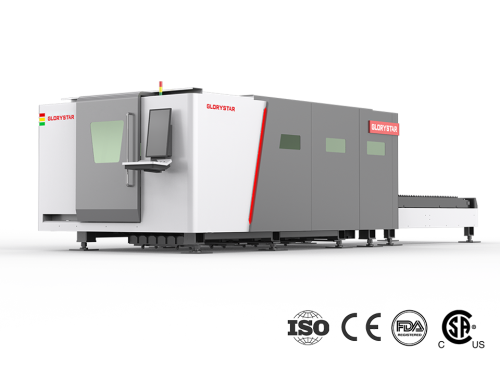
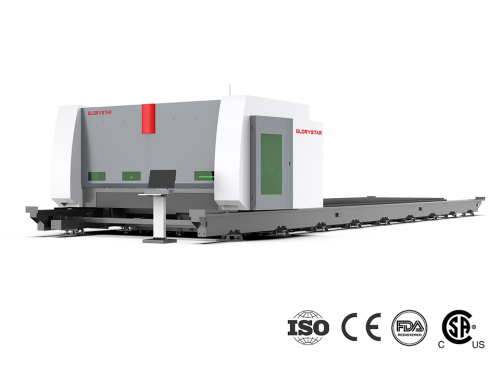
For metal fabricators processing a variety of sheet metal parts and tubular components, a fiber laser cutting machine can provide greater flexibility in daily production.
Improve Sheet Metal Processing Flexibility
Server rack panels, electrical cabinet doors, mounting plates, and equipment enclosures often involve different contours and hole patterns.
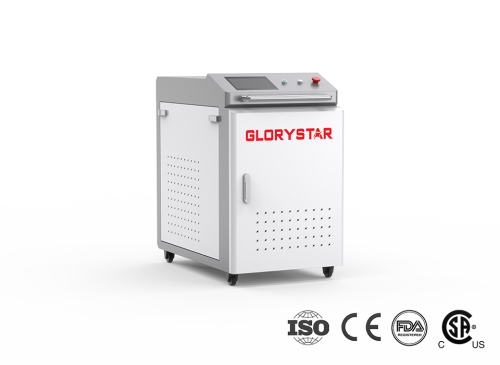
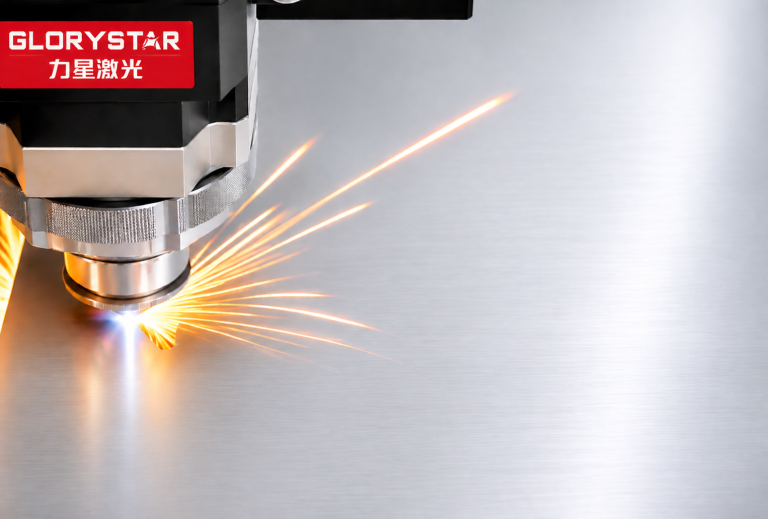
A CNC fiber laser cutting machine can process these designs directly from programmed drawings. This makes it easier to switch between different part specifications without manufacturing dedicated punching tools for every design.
With suitable nesting software, manufacturers can also arrange multiple parts on a sheet to improve material utilization and reduce unnecessary waste.
Handle Tube and Profile Processing
Some data center components involve metal tubes and structural profiles, particularly in equipment frames, cooling systems, and support assemblies.
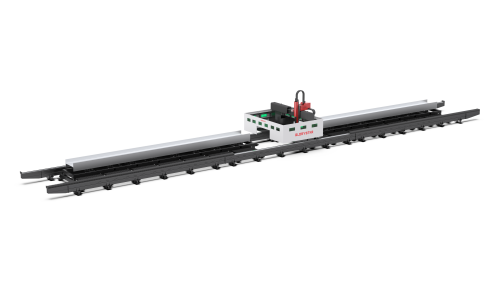
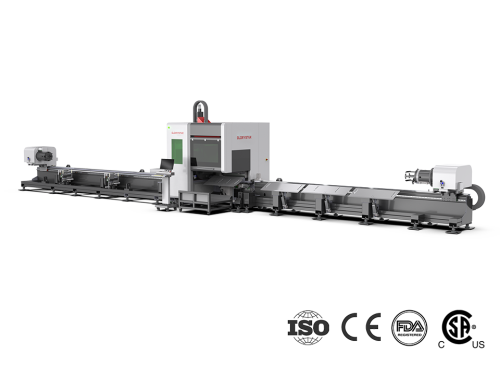
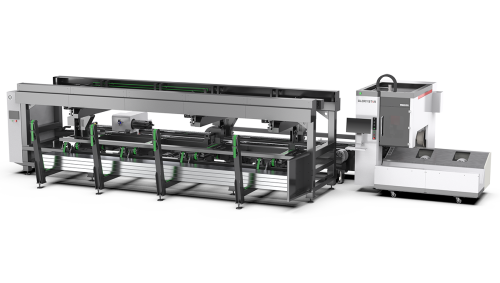
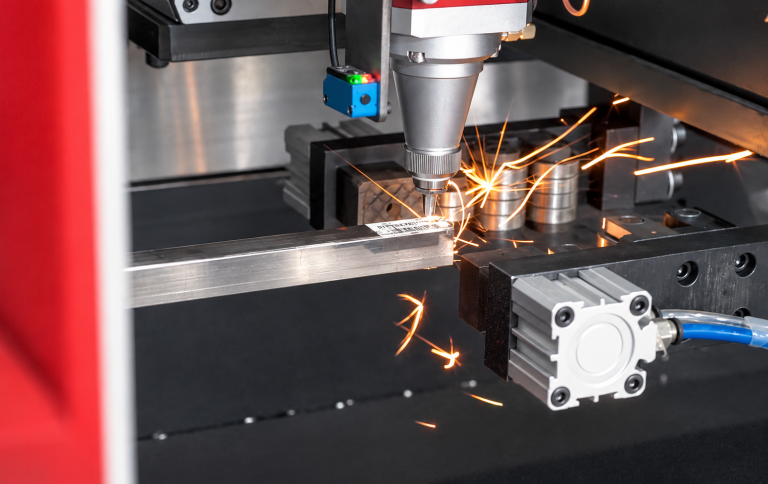
A dedicated tube laser cutting machine can process suitable round tubes, square tubes, and other profiles. It can also reduce manual marking and repeated positioning when producing parts with multiple holes or intersecting cuts.
For businesses receiving both sheet metal and tube fabrication orders, separate sheet and tube laser cutting equipment may help expand their processing capabilities.
Select Equipment Based on Actual Production Needs
Higher laser power does not automatically mean a better investment. Manufacturers should evaluate their commonly processed materials, thickness ranges, maximum workpiece dimensions, and daily order volumes before selecting a machine.
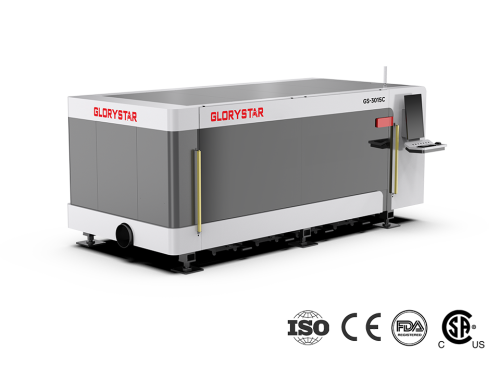
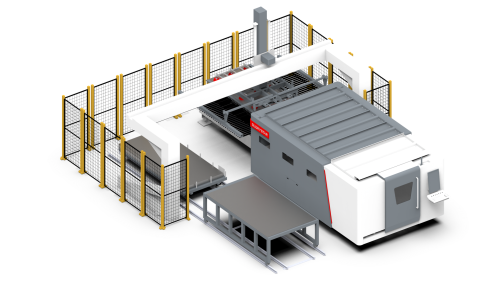
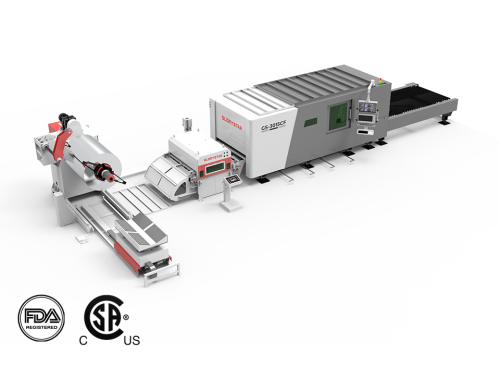
For example, a fabrication shop producing large electrical enclosures may prioritize a suitable working area and an enclosed machine structure. Businesses handling frequent material changes and larger production volumes may also consider automated loading and unloading systems.
The right configuration should match existing orders and realistic business expansion plans rather than simply following equipment specifications.
What Should You Consider Before Investing in a Laser Cutting Machine?
Before purchasing new equipment, metal fabricators should assess whether the investment can solve an actual production problem.
Start by reviewing current machine utilization, outsourcing expenses, material waste, and production bottlenecks. If cutting operations are delaying downstream bending or welding processes, additional laser cutting capacity may help improve overall workflow.
It is also important to estimate the expected workload from data center-related customers. A growing industry does not guarantee orders for every fabrication business, so equipment investment should be supported by customer inquiries, confirmed projects, and realistic production forecasts.
Finally, consider the supplier's installation, operator training, spare parts availability, and after-sales technical support. These factors can influence how quickly new equipment becomes productive.
Preparing for New Opportunities in Data Center Manufacturing
The growth of AI data centers is creating additional demand for the metal components used in electrical systems, equipment enclosures, structural assemblies, and cooling infrastructure. For metal fabricators, the opportunity lies in identifying suitable orders and building the production capacity to fulfill them profitably.
A properly selected fiber laser cutting machine can help manufacturers process different component designs, improve material utilization, and maintain consistent cutting quality. By evaluating actual customer requirements and production costs before investing, fabrication businesses can make more informed decisions and prepare for potential opportunities in the expanding U.S. data center supply chain.