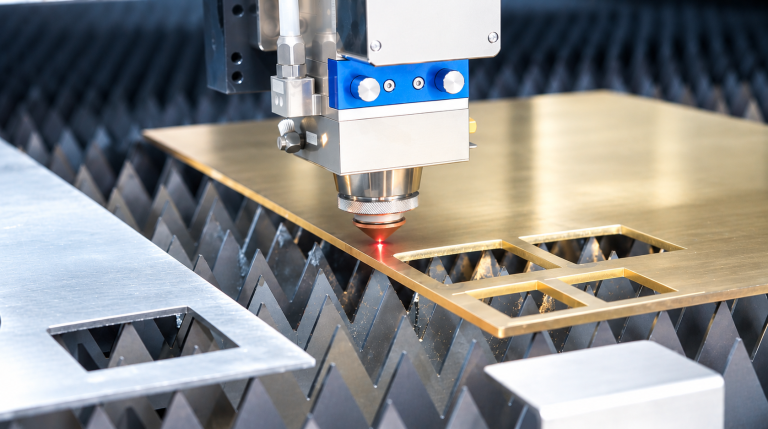
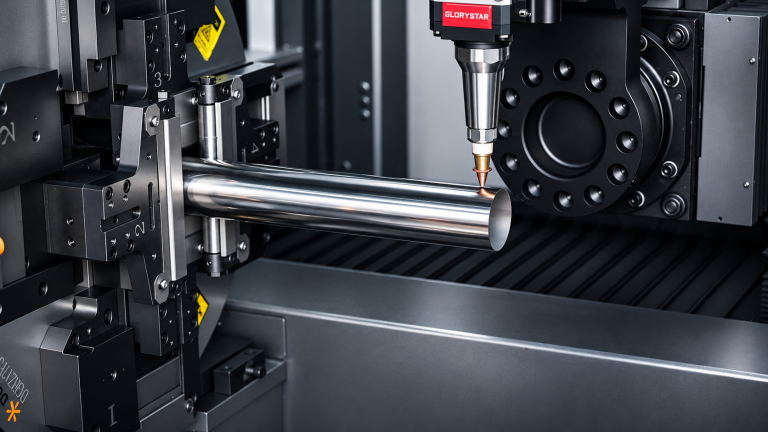
Before a fiber laser cutting machine starts following a programmed cutting path, it often creates a small hole in the metal sheet. This process is called piercing. For beginners, it may seem like an unnecessary extra step, but it plays an important role in achieving stable and complete cuts.
Understanding laser cutting piercing helps operators recognize how a laser cutting machine starts processing metal, why different materials require different piercing settings, and what can happen when the initial hole is not formed correctly.
What Is Piercing in Laser Cutting?
Piercing is the process of creating an opening through a metal sheet before the cutting head begins following the programmed contour.
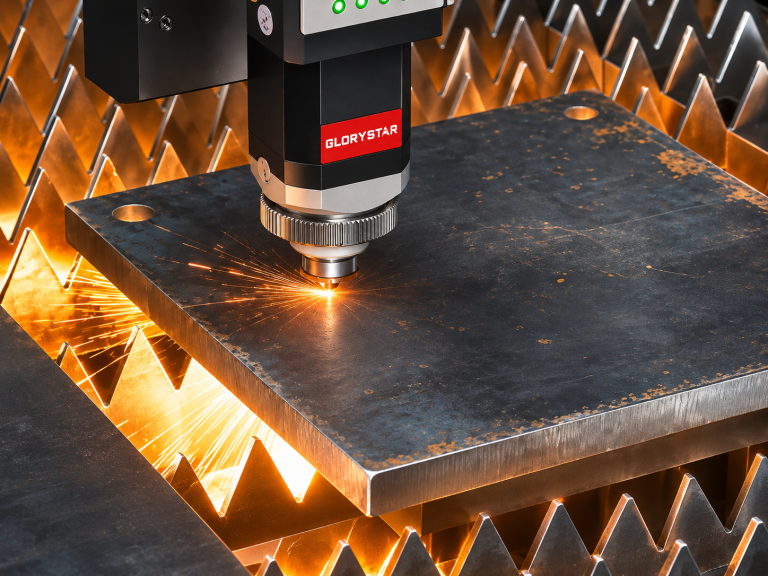
During laser cutting piercing, the laser beam focuses on a specific point on the material. The concentrated energy heats the metal until it melts or partially vaporizes. At the same time, assist gas helps remove molten material from the processing area.
As material is gradually removed, a hole forms through the sheet. Once the laser penetrates the full thickness, the machine can begin cutting along the programmed path.
The size and formation of the hole depend on several factors, including material thickness, laser power, focus position, and assist gas conditions.
Why Does a Laser Cutting Machine Need to Pierce the Metal First?
There are several practical reasons why piercing is necessary before many laser cutting operations.
1. To Create a Starting Point
A laser cutting machine needs to establish a complete opening before it can produce a continuous cutting path through the material.
Without sufficient penetration, the laser may start moving before the metal is fully pierced. This can result in incomplete cuts, interrupted cutting paths, or poor edge quality near the starting position.
2. To Ensure Complete Material Penetration
Different metals and thicknesses require different amounts of energy to achieve full penetration.
For example, thin stainless steel may require less piercing time than a thick carbon steel plate. The machine must use suitable piercing conditions to ensure that the laser reaches the bottom of the material before contour cutting begins.
Proper laser cutting piercing is particularly important when processing thick metal sheets, where incomplete penetration can interrupt the entire cutting process.
3. To Improve Cutting Stability
A properly formed piercing hole provides a reliable starting point for the next cutting stage.
It helps reduce the risk of cutting interruptions caused by insufficient penetration. This is especially important when processing parts with multiple internal openings or complex cutting patterns.
How Does the Laser Piercing Process Work?
Although the process happens quickly, piercing involves several stages.
Step 1: Laser Energy Concentration
The cutting head positions the laser beam at the designated piercing point. The focused beam delivers concentrated energy to a small area of the metal surface.
Step 2: Metal Melting
As the temperature rises, the metal begins to melt. Depending on the material and processing conditions, some material may also vaporize.
Step 3: Molten Material Removal
Assist gas helps remove molten metal from the piercing area. This allows the laser to continue penetrating deeper into the sheet.
Step 4: Cutting Begins
After the hole penetrates the full material thickness, the machine transitions from piercing to contour cutting. The cutting head then follows the programmed path.
The transition between these stages is an important part of laser cutting piercing, as starting the cutting movement too early can affect the quality of the finished part.
What Factors Affect Laser Piercing Performance?
Several processing conditions determine whether a piercing hole can be formed successfully.
Material Thickness: Thicker materials generally require more energy and a longer piercing process than thinner sheets.
Laser Power: Laser power affects how quickly energy is delivered to the material. Insufficient power may make penetration difficult.
Focus Position: The focal position influences how laser energy is distributed within the material and affects the piercing process.
Assist Gas Pressure: Gas pressure helps remove molten material from the hole. Incorrect settings may lead to poor material removal or excessive spatter.
Piercing Time: If the piercing time is too short, the hole may not penetrate completely. Excessively long piercing, however, can increase heat input and spatter.
These factors need to be considered together. There is no single piercing setting suitable for every material and thickness.
Common Problems During Laser Piercing
Even when a machine is operating normally, incorrect processing conditions can cause several piercing problems.
Incomplete Piercing
If the laser does not penetrate the entire sheet, the cutting head may fail to produce a continuous cut. Operators should check the piercing time, focus position, laser output, and gas conditions.
Excessive Spatter
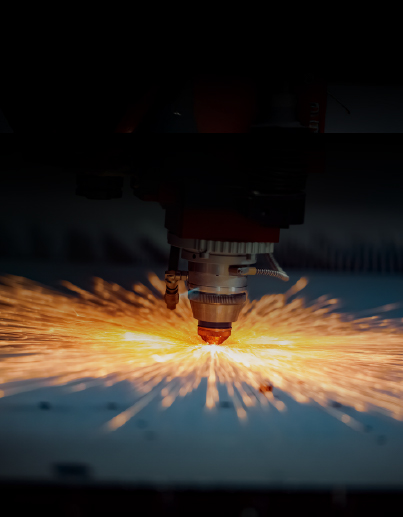
Molten metal may splash around the piercing point and accumulate near the nozzle. This can affect nozzle condition and increase the risk of contamination around the cutting head.
Oversized Piercing Holes
Excessive energy or unsuitable piercing settings can create holes larger than necessary. This may affect nearby features, particularly when processing small parts or closely spaced contours.
Unstable Piercing Results
If piercing quality varies between processing points, operators should check whether the material thickness is consistent and whether the nozzle, protective lens, and processing parameters are in good condition.
How Can You Improve Laser Piercing Results?
For beginners, improving piercing quality starts with understanding the relationship between material properties and processing conditions.
Select suitable piercing parameters based on material type and thickness
Check the nozzle for damage, blockage, or contamination
Make sure the focus position is correctly configured
Adjust piercing time and assist gas conditions according to the application
Inspect protective lenses regularly to maintain stable laser transmission
Perform test cuts when processing unfamiliar materials or thicknesses
Good laser cutting piercing practices can reduce incomplete starts, minimize unnecessary material waste, and help maintain consistent cutting quality.
Final Thoughts
Piercing may look like a small step before laser cutting, but it has a direct impact on how the entire cutting process begins. A properly formed hole allows the machine to transition into contour cutting more reliably, while unsuitable settings can lead to incomplete cuts, excessive spatter, and inconsistent results.
For manufacturers investing in fiber laser cutting equipment, understanding laser cutting piercing is a useful starting point for learning how different processing conditions affect production quality. Glorystar provides fiber laser cutting solutions designed for metal fabrication applications, helping manufacturers select suitable equipment and processing configurations for their production needs.