Introduction
In today’s competitive manufacturing environment, improving efficiency is no longer optional—it is essential. Many fabrication shops and metal processing companies are now evaluating whether to transition from manual operation to laser cutting automation, particularly by adopting an automatic loading system.
However, the key question remains:
Is automation really worth the investment, or is manual operation still sufficient?
The answer depends on multiple factors, including production volume, labor costs, and long-term growth strategy. In this article, we will provide a detailed comparison between automatic loading and manual operation to help you make a more informed decision.
What Is an Automatic Loading System in Laser Cutting?
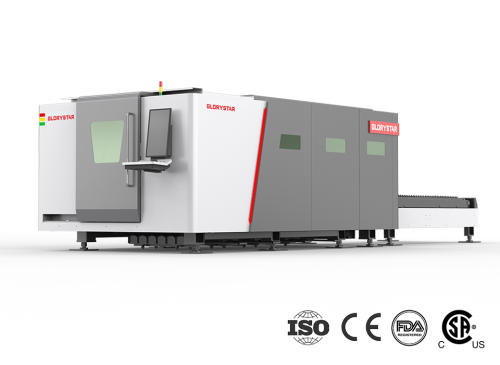
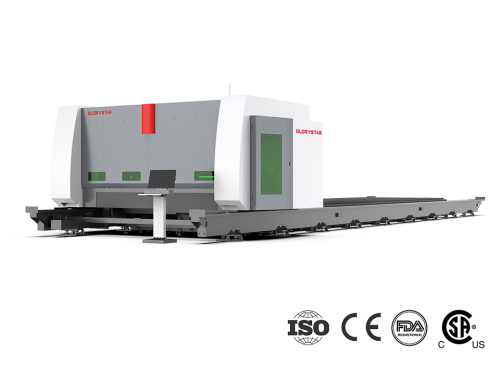
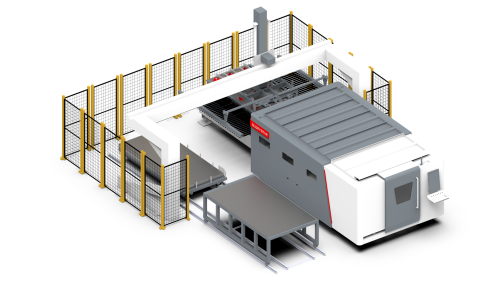
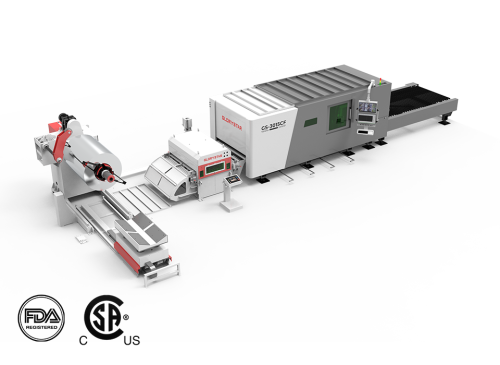
An automatic loading system is a core component of laser cutting automation, designed to handle material loading and unloading with minimal manual intervention.
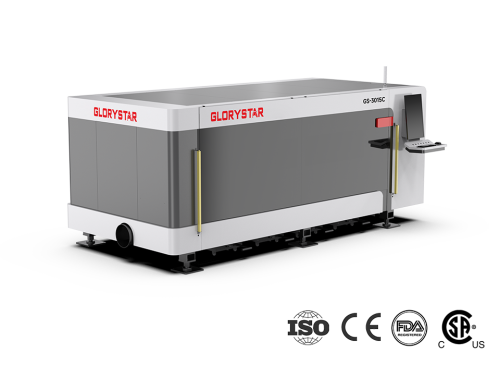
In a traditional setup, operators manually place metal sheets onto the cutting table and remove finished parts. This process is repeated continuously, creating interruptions in production.
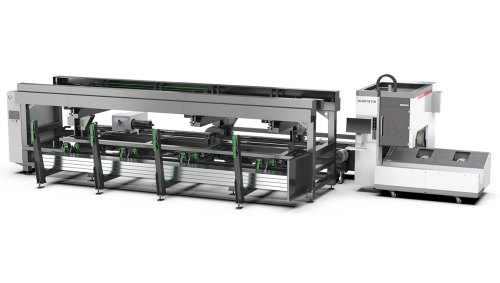
With an automatic loading system, material handling is performed through mechanical arms, suction devices, or gantry systems. These systems can position sheets accurately and quickly, allowing the laser cutting machine to operate more continuously and efficiently.
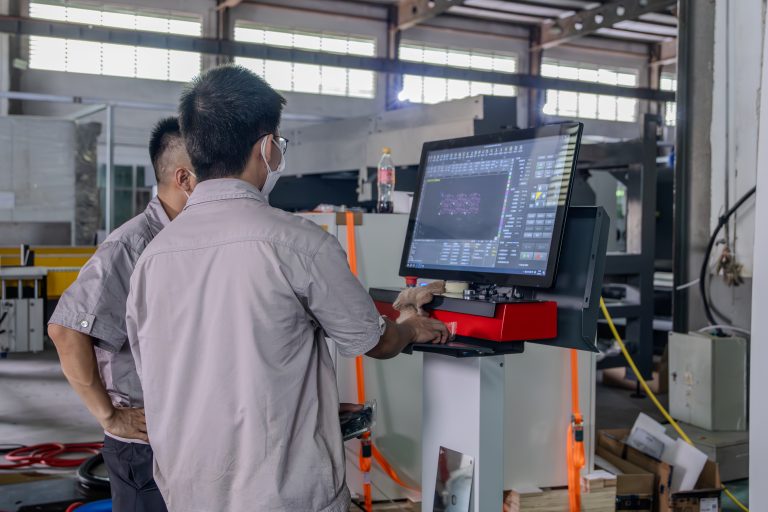
It is important to clarify that automation does not eliminate human involvement entirely. Operators are still responsible for monitoring operations, adjusting parameters, and ensuring quality control.
Efficiency Comparison: Reducing Downtime and Increasing Output
One of the biggest advantages of laser cutting automation is the significant improvement in production efficiency.
In manual operation, each cutting cycle includes downtime for loading and unloading materials. Even a few minutes of delay per cycle can add up to several hours of lost productivity over time.
An automatic loading system helps to:
Reduce machine idle time
Enable faster material changeover
Maintain a consistent production rhythm
Improve overall equipment utilization
For manufacturers handling large volumes or repetitive orders, these efficiency gains can translate directly into increased output and revenue.
Labor Costs and Workforce Challenges
Labor cost is another critical factor driving the adoption of automation.
Manual operation requires skilled workers to handle materials, operate machines, and manage production flow. Over time, businesses may face challenges such as:
Rising wages
Difficulty in hiring experienced operators
High employee turnover
Inconsistent performance due to human factors
By implementing an automatic loading system, companies can reduce their dependence on manual labor and improve operational stability.
That said, automation should be seen as a way to optimize labor, not eliminate it. Skilled operators remain essential for supervising the system and ensuring smooth operation.
Cost and ROI: Understanding the Long-Term Value
The initial investment in laser cutting automation is higher compared to manual setups, which often makes manufacturers hesitant.
However, the return on investment (ROI) should be evaluated from a long-term perspective. An automatic loading system contributes to ROI through:
Higher production efficiency
Lower labor costs over time
Reduced material waste
Improved delivery speed
Increased customer satisfaction
In many cases, businesses operating in high-volume production environments can recover their investment within a reasonable timeframe.
Flexibility vs Standardization: A Key Trade-Off
While automation offers efficiency, manual operation still provides greater flexibility.
Manual setups are better suited for:
Small batch production
Custom or complex parts
Frequently changing designs
In contrast, automatic loading systems perform best in:
Repetitive production tasks
Standardized components
Stable order structures
Understanding your production model is essential when deciding between manual operation and automation.
Who Should Invest in Laser Cutting Automation?
Not every business needs an automatic loading system, but certain manufacturers can benefit significantly.
Automation is ideal for:
High-volume production environments
Companies with stable and predictable orders
Manufacturers facing increasing labor costs
Businesses aiming to scale production capacity
Manual operation is more suitable for:
Low-volume or custom production
Startups or small workshops
Companies with limited budgets
Businesses requiring high flexibility
Beyond Cost Savings: Strategic Advantages of Automation
The value of laser cutting automation goes beyond simple cost reduction.
By integrating an automatic loading system, manufacturers can achieve:
More consistent product quality
Reduced risk of human error
Improved production planning
Greater competitiveness in the market
Automation also prepares businesses for future growth, making it easier to scale operations as demand increases.
How to Make the Right Decision
When evaluating whether to invest in an automatic loading system, consider the following questions:
Is your current production capacity sufficient?
Are you experiencing bottlenecks in material handling?
Are labor costs becoming a burden?
Do you plan to expand your production in the near future?
If the answer to most of these questions is yes, then investing in laser cutting automation is likely a smart move.
Conclusion
Automatic loading systems are becoming an important part of modern laser cutting operations. While manual operation still has its place, especially in flexible or low-volume environments, automation offers clear advantages in efficiency, consistency, and long-term cost control.
Ultimately, the decision should be based on your specific production needs and business goals.
Practical Recommendation
For manufacturers planning to upgrade, it is advisable to choose laser cutting machines that support optional automatic loading systems. This allows you to start with manual operation and gradually transition to automation as your business grows.
This flexible approach ensures that your investment remains future-proof while aligning with your current production requirements.