Introduction: A Familiar Question on the Shop Floor
When manufacturers start evaluating a fiber laser cutting machine, the conversation often sounds the same.
A shop owner walks through the production floor, stops in front of a CO₂ laser that has been running for years, and asks a simple question:
“It still works — but is it still the right tool for what we’re doing today?”
For decades, CO₂ laser cutting machines were the backbone of metal fabrication in the United States. Many shops built their entire workflow around them.
But as production demands change — tighter delivery windows, rising energy costs, and labor shortages — more manufacturers are taking a closer look at fiber laser technology.
This article isn’t about chasing the newest technology. It’s about understanding which laser cutting solution actually fits your operation today and five years from now.
Understanding the Two Laser Cutting Technologies
What Is a CO₂ Laser Cutting Machine?
CO₂ laser cutting machines generate a laser beam through a gas mixture and guide it using mirrors to the cutting head. For many American fabrication shops, this technology was once the gold standard.
If you’ve been in the industry long enough, you’ve probably seen CO₂ machines run reliably for years — producing clean cuts and handling a wide range of materials.
However, that reliability often comes with trade-offs:
Regular mirror alignment
Laser gas consumption
Higher maintenance involvement
For shops that primarily cut non-metal materials or run legacy workflows, CO₂ lasers still have a place. But for metal-focused production, limitations become more noticeable over time.
What Is a Fiber Laser Cutting Machine?
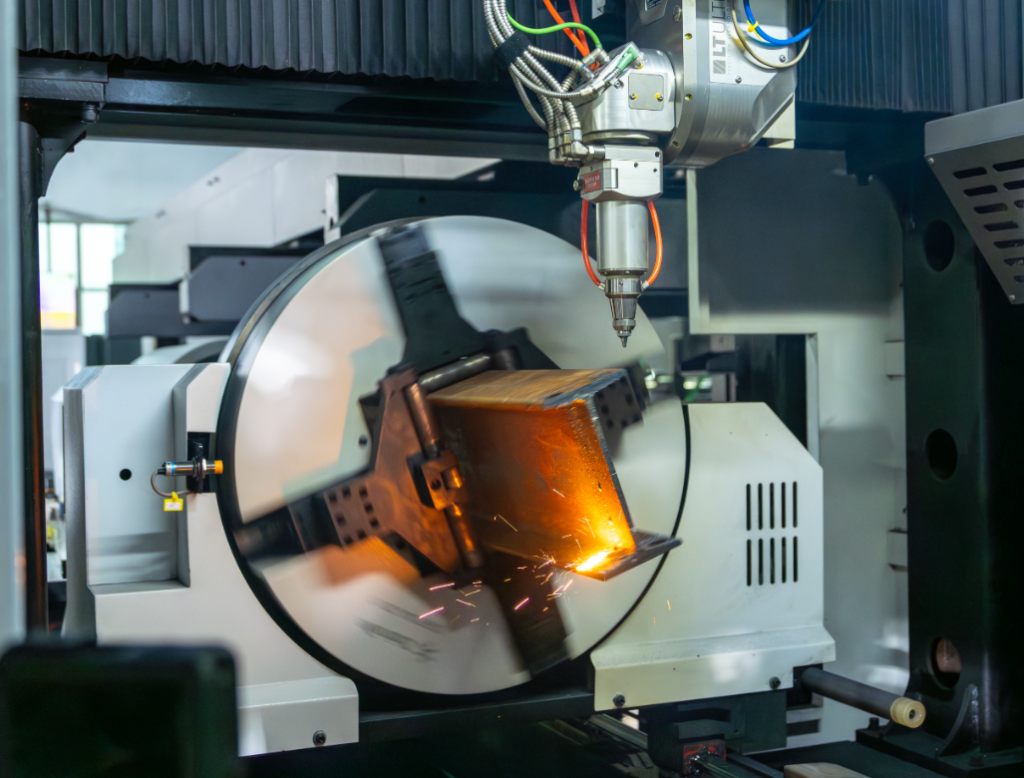
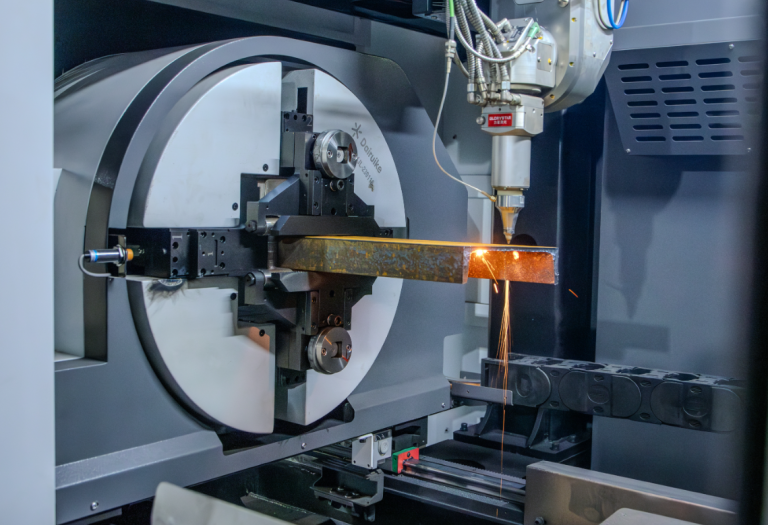
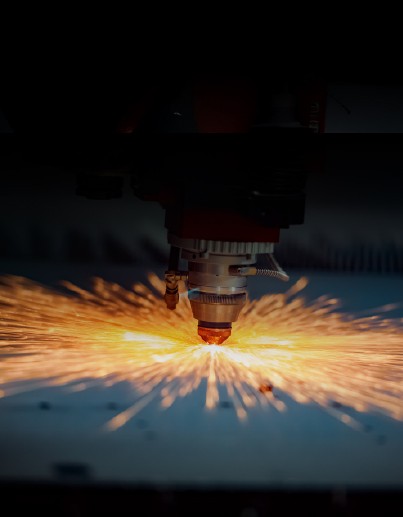
A fiber laser cutting machine uses a solid-state laser source that delivers the beam directly through optical fiber. There are no mirrors to align and far fewer components that wear out.
Many shop owners describe their first experience with fiber laser cutting the same way:
“We didn’t realize how much time we were losing until we stopped losing it.”
Key advantages include:
Faster cutting speeds on metal
Higher electrical efficiency
Reduced maintenance requirements
Greater consistency over long production runs
Performance Comparison in Real Production
Cutting Speed and Daily Output
In real-world production, speed is not about impressive specs — it’s about how many finished parts leave the shop by the end of the shift.
Fabricators who switch to a fiber laser cutting machine often notice:
Faster cutting on stainless steel and aluminum
Shorter pierce times
Less time spent adjusting parameters between jobs
When deadlines are tight and batch sizes are growing, these gains add up quickly.
Energy Consumption and Operating Costs
Energy costs are no longer a background expense for U.S. manufacturers — they are a line item that gets reviewed closely.
CO₂ lasers consume significantly more power to generate the same cutting output. Fiber laser cutting machines, by contrast, convert more electrical energy directly into usable laser power.
Over a year of production, this difference can mean:
Lower monthly utility bills
More predictable operating expenses
Improved return on investment
Maintenance, Downtime, and Peace of Mind
Ask any shop manager what really hurts productivity, and the answer is rarely cutting speed — it’s downtime.
CO₂ systems require regular maintenance and careful optical alignment. Fiber laser cutting machines eliminate many of these variables.
For many shops, the biggest benefit is not technical — it’s operational:
Fewer unexpected stops
Less reliance on specialized maintenance skills
More stable production planning
Material Capability: What Are You Cutting Most?
Material mix plays a critical role in choosing the right system.
Carbon steel: Both technologies perform well, but fiber lasers deliver higher throughput.
Aluminum and reflective metals: Fiber lasers handle these materials more efficiently and safely.
Non-metal materials: CO₂ lasers still maintain an advantage.
For metal-focused fabrication, fiber laser technology aligns better with modern production needs.
Automation and the Reality of Modern Manufacturing
Labor availability is one of the biggest challenges facing American manufacturers today.
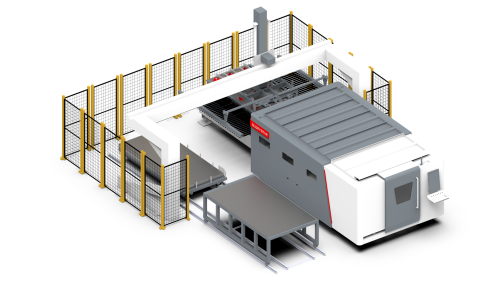
Fiber laser cutting machines are designed to integrate smoothly with:
Automatic loading and unloading systems
Robotic material handling
Smart monitoring and production data systems
Many shops adopt fiber lasers not just for cutting speed, but because they support leaner staffing models and scalable automation.
Which One Is Right for Your Shop?
The right choice depends on how your shop actually operates.
A fiber laser cutting machine makes the most sense if:
Metal fabrication is your primary business
You run multi-shift or high-volume production
Operating costs and uptime matter
You plan to automate in the future
CO₂ lasers may still fit niche applications, but for most modern metal fabrication shops, fiber technology represents the direction forward.
How Glorystar Supports Real Production Needs
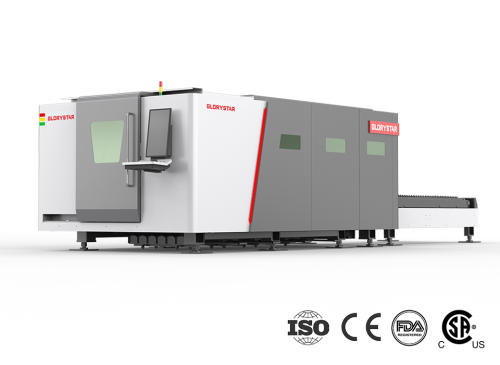
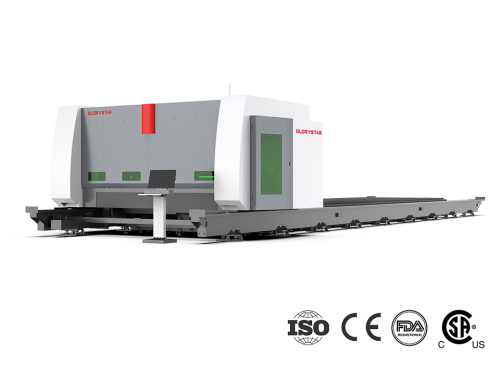
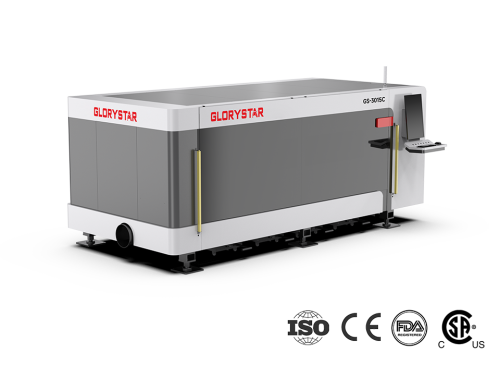
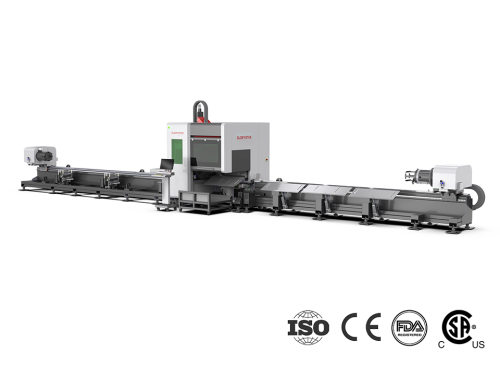
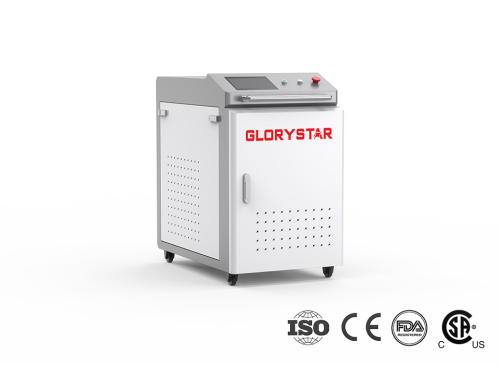
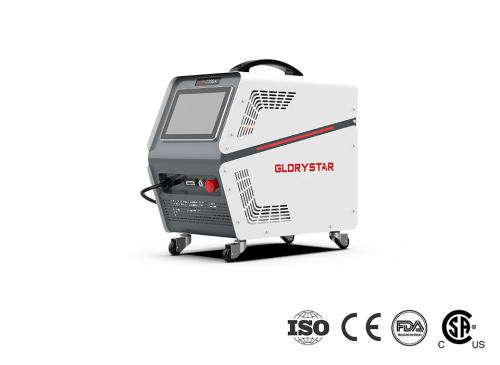
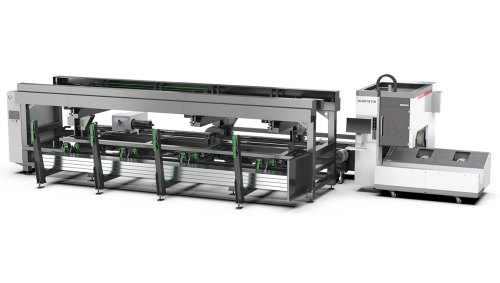
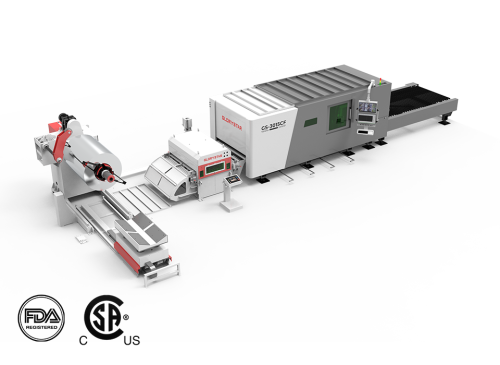
At Glorystar, we work with manufacturers who face these decisions every day. Our fiber laser cutting machine solutions are designed around real shop-floor challenges — not just specifications on paper.
From sheet metal processing to automated cutting lines, our systems focus on:
Stable performance
Efficient operation
Long-term reliability
Because in manufacturing, the best machine is the one that keeps production moving — shift after shift.
Conclusion: Technology That Matches the Way You Work
Choosing between a CO₂ system and a fiber laser cutting machine isn’t about trends. It’s about aligning your equipment with how your business operates today — and where it’s headed next.
For many U.S. manufacturers, fiber laser cutting has become less of an upgrade and more of a strategic step toward efficiency, stability, and future-ready production.