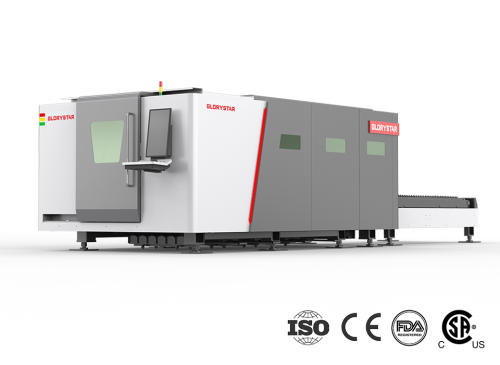
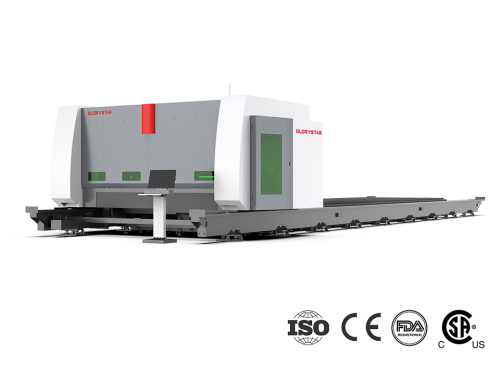
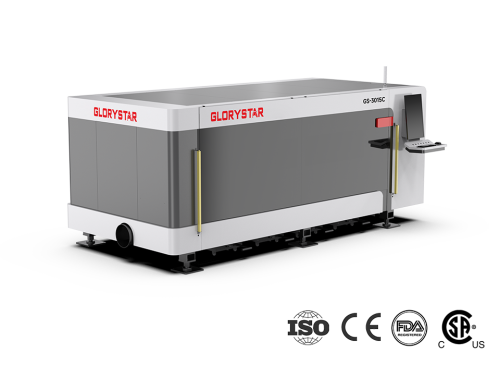
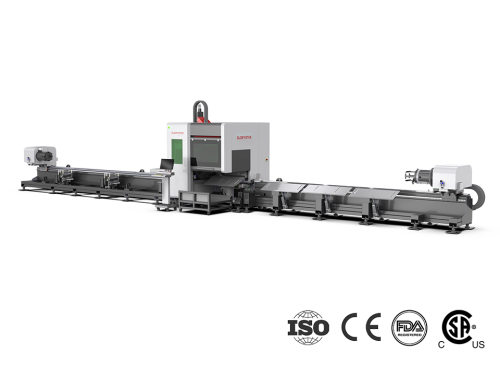
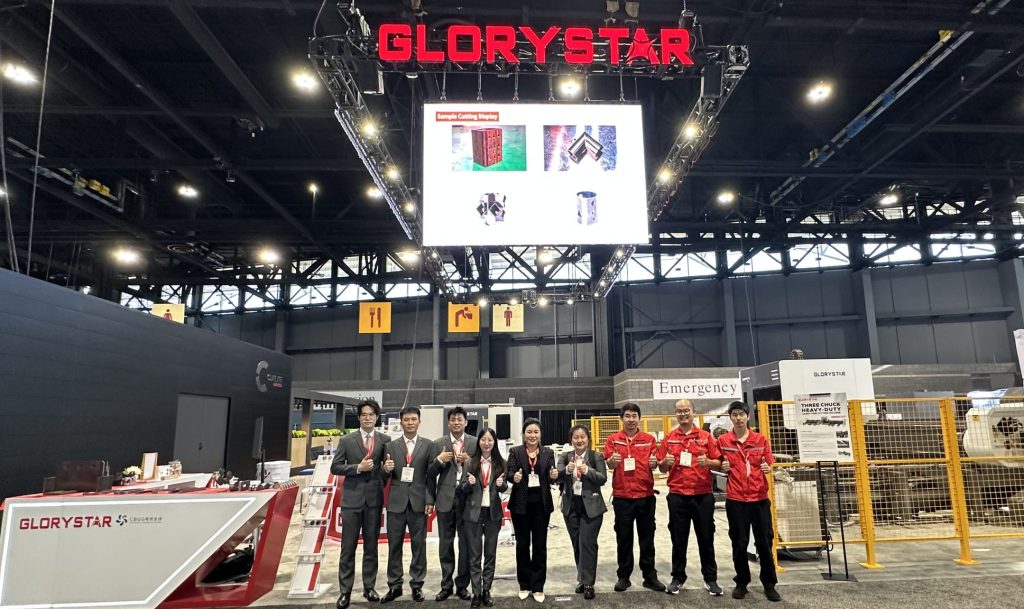
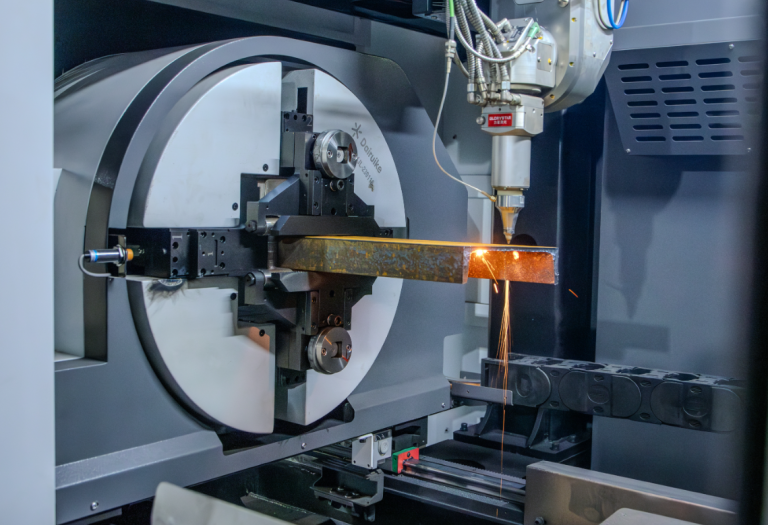
We arrived at FABTECH Chicago 2025 expecting a busy floor — what we didn’t expect was how quickly conversations would turn from “what a machine can do” to “how it fits into our workflow.” Over the four show days (September 8–11), casual chats at the booth, impromptu live-demo critiques, and sit-down technical exchanges formed a clear narrative: buyers are less interested in isolated specs and more focused on how tube cutting integrates into a reliable, repeatable, and flexible production story.
This is the story we heard repeatedly on the show floor — and the story that will shape decisions through 2026.
Scene 1 — The Question Everyone Asked: “ How will this change our day-to-day? ”
Standing beside a live demo, we watched an operations manager hold up a cut sample and ask, “If I bring this back to my shop, how different will my day be?” That question framed countless conversations. It wasn’t about peak cutting speed listed on a spec sheet; it was about predictable cycle times, fewer touchpoints, and whether a new process would actually reduce the shop’s daily friction.
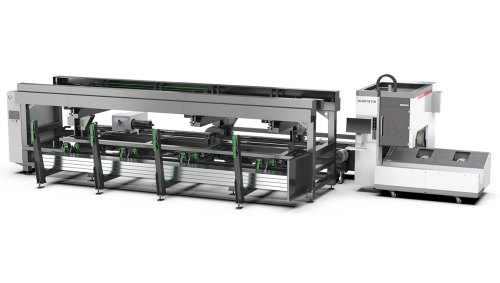
From these interactions we distilled a first lesson: practical integration beats peak performance. Visitors wanted to know how a tube-cutting cell would interact with their loading strategy, fixture philosophy, welding prep, and even how maintenance tasks fit into weekly shifts. The preference was clear — technologies that simplify operations, not complicate them, won trust.
Scene 2 — The Trade-Offs: Flexibility vs. Throughput
Across small job-shop owners and larger production managers, the same tension emerged: how to stay flexible without sacrificing throughput. Several mid-size shops described product mixes that change weekly. They needed machines that could switch profiles, retool quickly, and handle small lot sizes without manual rework.
The recurring emphasis was on fast, reliable changeover: auto-centering chucks that don’t need finicky adjustments, software that imports CAD nests with minimal operator input, and automation modules that handle variable batches. On the floor, the most practical questions weren’t about maximum wall thickness — they were about how long it takes to go from one SKU to the next.
Scene 3 — Reliability, Service, and the Invisible Costs
Another pattern was less glamorous but equally decisive: downtime anxiety. Buyers repeatedly asked about mean time between failures, on-site support windows, and the predictability of spare-parts delivery. The real cost they feared wasn’t a capital expense — it was an unplanned stoppage that bleeds margins and schedules.
This made clear a second lesson: serviceability and supply-chain certainty are procurement drivers. Buyers value transparent service agreements, straightforward component access, and clear diagnostics that reduce finger-pointing during breakdowns.
Scene 4 — Software as the New Conveyor Belt
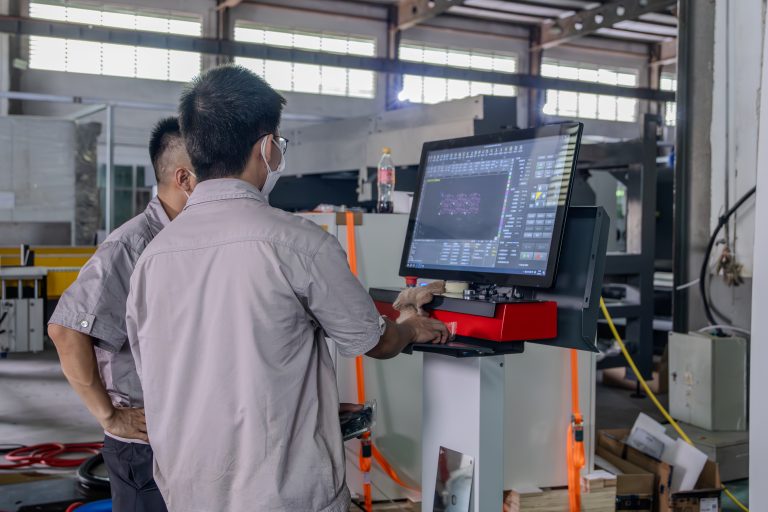
Many conversations shifted to software: nesting, part-tracking, and interoperability with ERP and welding cells. Engineers wanted systems that spoke the same language as their shop floor — not new, closed ecosystems that create data islands.
From the floor we heard a consistent request: seamless digital handoffs. Whether for quality traceability or faster setup, the ability to move a job from order to cut to weld with minimal human translation is increasingly non-negotiable.
What These Signals Mean for 2026
Putting these observations together points to several actionable trends that will dominate tube processing in 2026:
Process-first procurement. Buyers will evaluate equipment by how it changes daily workflows — not only by specs. Vendors who present end-to-end use cases and real-world KPIs will gain credibility.
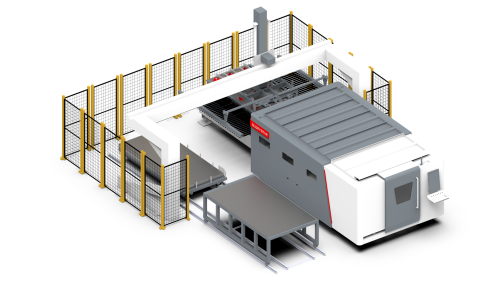
Modular automation for mixed batches. Rather than full-line capital installs, modular load/unload and quick-change fixturing systems will proliferate, letting shops scale automation incrementally.
Software interoperability as a selling point. Open APIs, standard data models, and easy CAD/CAM integration will be expected features, not premium add-ons.
Predictive maintenance and remote diagnostics. Machine health monitoring that meaningfully reduces unplanned downtime will become a baseline requirement for higher-tier buyers.
Hybrid skill models. With labor constraints persisting, shops will rely on smaller numbers of higher-skilled operators augmented by smarter HMI and guided workflows.
Sustainability and energy awareness. Energy efficiency, material yield improvements, and waste reduction will increasingly influence equipment choices as buyers factor operating cost and corporate sustainability targets into decisions.
Closing: The Value of Being Present
Conferences like FABTECH aren’t just showcases; they are conversation accelerators. Observing these dialogues up close revealed a simple truth: today’s purchasing conversations are about operational certainty. For suppliers and integrators, the task in 2026 will be to prove not only that a system can cut tubes fast, but that it lowers daily friction, reduces downtime risk, and fits cleanly into an increasingly digital and modular factory.
We left Chicago with more than leads; we left with a clearer map of the problems shops are trying to solve. That map will guide how processes, software, and support evolve next year — and how the industry defines successful tube processing going forward.