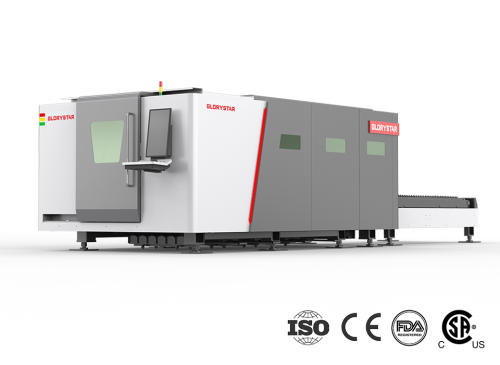
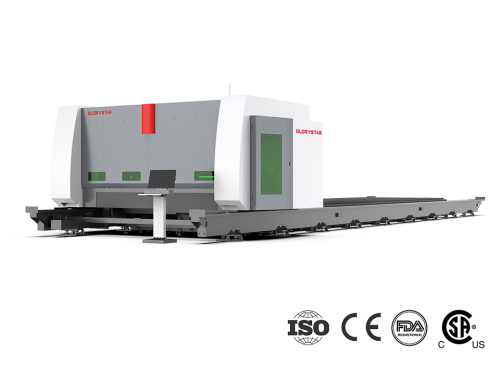
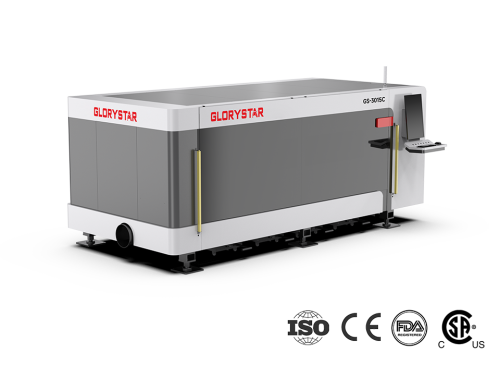
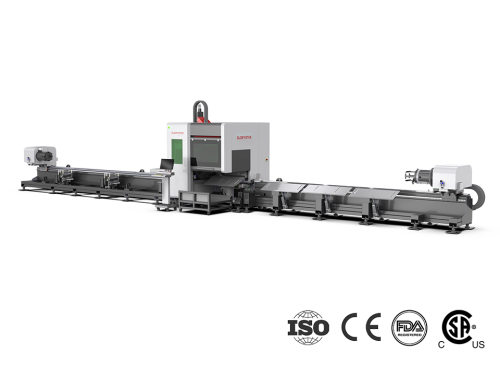
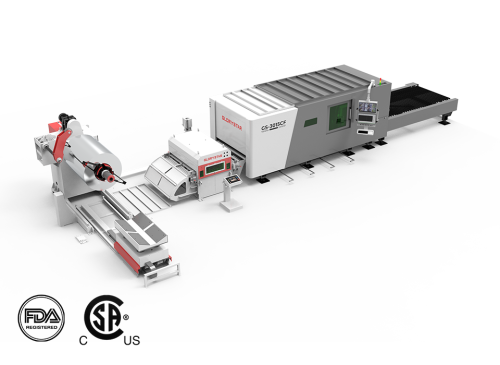
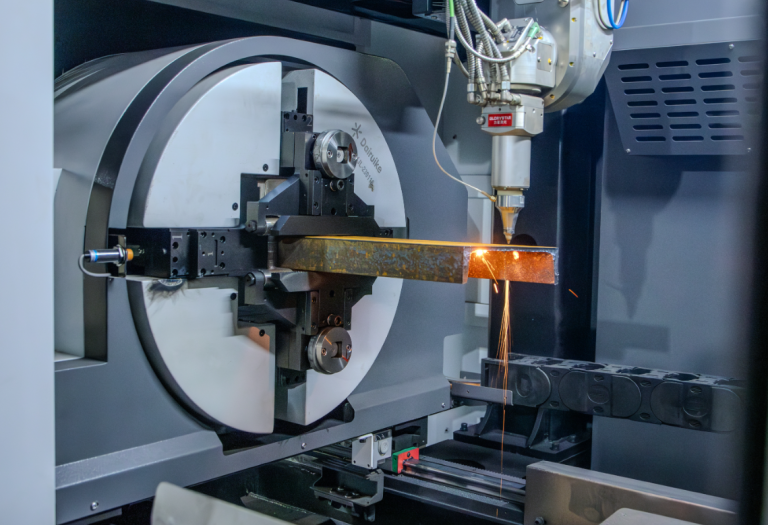
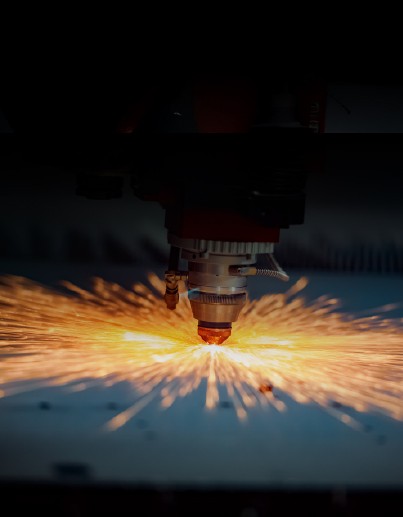
In modern manufacturing, a laser cutting machine has become an essential tool for precise, high‑speed metal fabrication. From automotive and aerospace to custom metal fabrication shops, professionals turn to laser cutters to deliver clean, accurate cuts without many of the limitations of traditional mechanical methods. Understanding how different metal materials respond to laser cutting and how to optimize process parameters can dramatically improve productivity and cut quality.
Why the Right Laser Cutting Machine Matters
A laser cutting machine uses a highly focused beam of light to melt, vaporize, or combust material along a desired path. This process offers incredible flexibility, minimal heat‑affected zones, and excellent tolerance control, which is why it’s widely adopted across industries. Unlike plasma or waterjet systems, laser cutting can provide extremely fine detail with narrow kerfs, making it ideal for both thin and thick metal processing.
Selecting the correct laser type and configuring the optimal parameters depends heavily on the type of metal being processed. Let’s explore how materials like stainless steel, carbon steel, aluminum, and copper behave and what setups deliver the best results.
Stainless Steel and Laser Cutting Machines
Stainless steel is one of the most commonly cut metals in laser fabrication. Its high corrosion resistance and widespread use in industrial, architectural, and consumer applications make it a frequent target for laser cutting.
To achieve clean, smooth edges on stainless steel using a laser cutting machine, operators must balance laser power, cutting speed, and assist gas. For example, too little power may result in incomplete penetration, while too much power can introduce excessive heat, leading to warping or an undesirably wide heat‑affected zone.
Using nitrogen as an assist gas helps reduce oxidation and produces bright, smooth edges on stainless steel. Fiber laser systems, which typically operate at shorter wavelengths than CO₂ lasers, are more efficient at coupling energy into stainless steel, making them the preferred choice for many manufacturers.
Carbon Steel: Boosting Speed and Efficiency
Carbon steel is another primary material for laser cutting applications. Compared to stainless steel, carbon steel reacts more readily with oxygen. When performing high‑speed cuts on carbon steel, manufacturers often use oxygen as an assist gas to enhance the cutting process and speed up material removal.
It’s important for users to adjust gas pressure and laser power carefully. A properly optimized laser cutting machine setup can cut medium‑thick carbon steel quickly while maintaining high‑quality edge finish. High‑power systems excel in this area, enabling faster throughput and reduced production cycle times.
Aluminum and Copper: Overcoming Reflectivity
Aluminum and copper present unique challenges due to their high reflectivity and thermal conductivity. These properties make it harder for the laser energy to be absorbed into the material, which can slow cutting speed and reduce efficiency.
A fiber laser cutting machine with a higher power output and proper focus adjustment is particularly effective for these reflective metals. Fiber lasers operate at a wavelength that aluminum and copper absorb more readily, reducing the amount of reflected energy and improving cut quality.
In addition to power, choosing the right assist gas (such as nitrogen) and maintaining correct nozzle height can help manage the heat distribution and prevent melt‑back or rough edges. For thicker aluminum and copper materials, high‑power fiber lasers provide a significant performance advantage.
Selecting the Best Laser Cutting Machine for Your Needs
When choosing a laser cutting machine, it’s crucial to align your equipment selection with the materials you plan to process most frequently.
Fiber vs. CO₂ Lasers
Fiber lasers are generally more versatile and efficient for cutting a broad range of metals, especially reflective materials like aluminum and copper. CO₂ lasers are effective for some metal applications but typically less efficient on reflective surfaces.
Power Requirements
Higher ‑ power units are essential for cutting thicker metals and achieving faster cycle times. For example, machines with 6kW or more output can easily handle medium to thick carbon steel and stainless steel sheets, while also being capable of tackling more demanding aluminum and copper cutting tasks.
Advanced Features
Look for machines with automated focus control, intelligent pathing, and integrated software that can optimize cutting parameters based on material type and thickness.
Practical Tips to Get Better Results
To make the most out of your laser cutting machine, consider these operator ‑ tested strategies:
Assist Gas Optimization
Use oxygen when cutting carbon steel for speed and nitrogen for stainless steel to reduce oxidation. Adjusting gas flow and pressure can significantly affect edge quality.
Focus Calibration
Properly setting the focus position ensures that the laser energy is concentrated at the right point on the surface, improving cut consistency and quality.
Path Planning
Intelligent nesting and cutting path strategies reduce waste and cycle time, enhancing overall production efficiency.
Material Testing
Before large production runs, conduct small test cuts to fine ‑ tune parameters for specific material batches.
The Glorystar Advantage
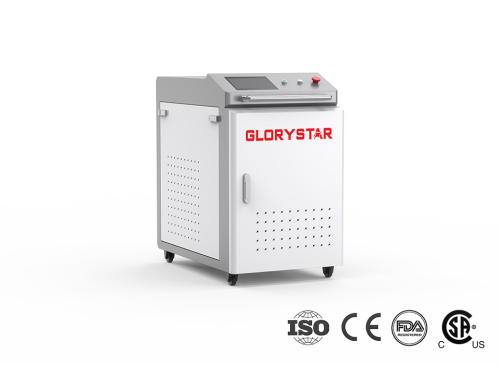
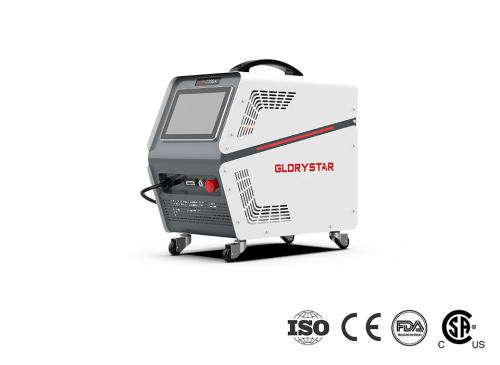
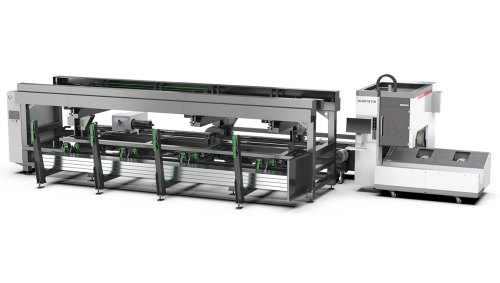
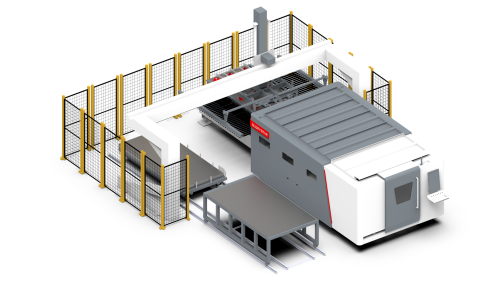
At Glorystar Laser, we offer a comprehensive range of laser cutting machines tailored for diverse manufacturing needs. Our high‑performance fiber laser systems provide robust cutting capabilities for stainless steel, carbon steel, aluminum, copper, and other metals — all backed by technical support and reliable service designed to help you get the most out of every job.
Whether you are upgrading from older equipment or expanding your fabrication capabilities, selecting the right laser cutting machine with expert guidance ensures higher quality, reduced downtime, and improved operational efficiency.
Conclusion
A laser cutting machine can transform your metal fabrication operations when you understand how to optimize it for different materials. By selecting the right laser type, power, gas setup, and fine ‑ tuning cutting parameters, manufacturers can achieve superior cut quality, faster throughput, and lower production costs. Prioritizing these factors will lead to better performance and long ‑ term value from your laser cutting investment.