Introduction
In modern metal fabrication, manufacturers are constantly looking for ways to improve efficiency, reduce labor costs, and increase production flexibility. One technology that has rapidly gained attention is tube laser cutting, which allows fabricators to process metal tubes with high precision and speed. Compared with traditional tube processing methods such as sawing, drilling, and punching, tube laser cutting offers a more integrated and automated solution.
But how does tube laser cutting actually compare with traditional tube processing? Understanding the differences between these two approaches can help manufacturers determine which solution is better suited for their production needs.
What Is Traditional Tube Processing?
Traditional tube processing refers to the conventional methods used to cut and shape metal tubes. These processes usually involve multiple machines and several production steps.
Common traditional tube processing methods include:
Sawing for cutting tubes to length
Drilling for creating holes
Punching for forming openings or shapes
Milling for more complex machining tasks
While these techniques have been widely used for decades, they often require different machines for each process. This means that a single tube component may go through several stages before it is fully completed. As a result, traditional processing can involve longer production times and higher labor requirements.
Limitations of Traditional Tube Processing
Although traditional tube processing methods are still used in many workshops, they come with several limitations that modern manufacturers must consider.
Multiple Production Steps
Traditional processing usually requires separate machines for cutting, drilling, and shaping. Each step adds time to the production process.
Higher Labor Requirements
Because several machines and manual operations are involved, traditional tube processing often requires more operators. In markets like the United States, where labor costs are high, this can significantly increase production expenses.
Limited Flexibility
Producing complex tube structures with traditional methods can be challenging. Special shapes, angled cuts, and intricate patterns often require additional setups or custom tooling.
Lower Precision for Complex Parts
While traditional machines can achieve good accuracy, maintaining consistent precision across complex designs is more difficult compared with automated systems like tube laser cutting.
What Is Tube Laser Cutting?
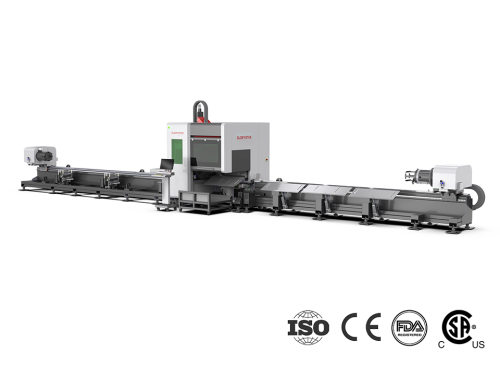
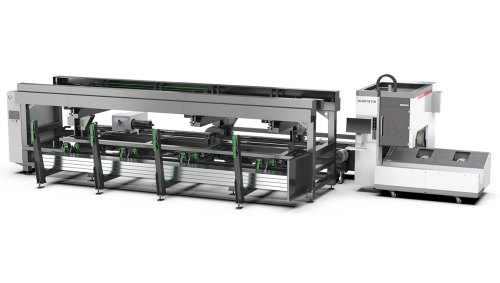
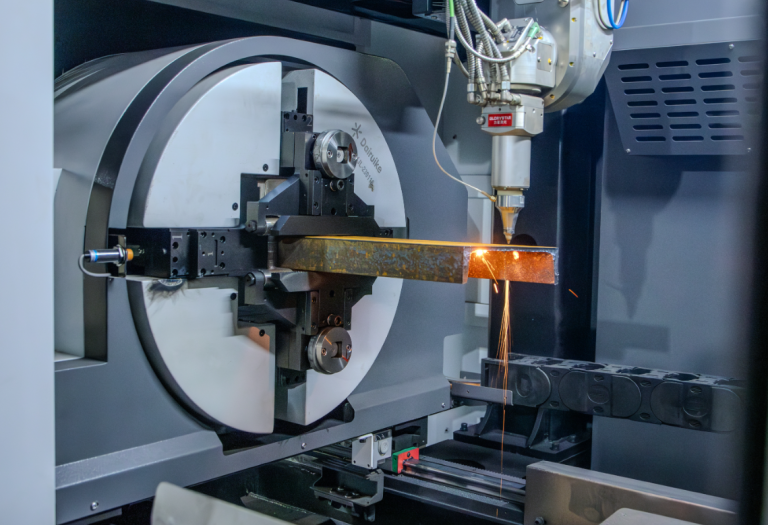
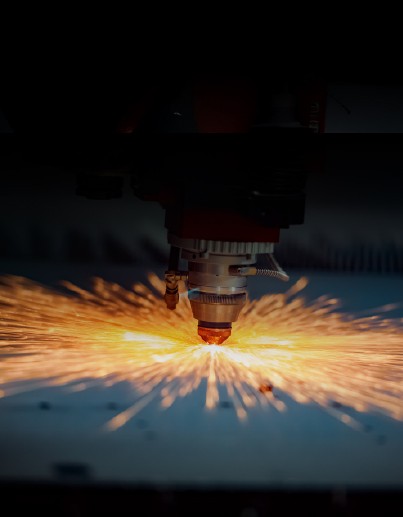
Laser tube technology is an advanced manufacturing method that uses a high-power fiber laser beam to cut and process metal tubes with extreme precision. Controlled by a CNC system, a fiber laser tube machine can automatically rotate and position tubes while performing cutting, drilling, slotting, and contouring operations.
Unlike traditional processing methods, laser tube systems can complete multiple operations in a single setup. This greatly simplifies production workflows and reduces the need for secondary processing.
Modern fiber laser tube setups can handle a wide range of materials, including:
Carbon steel
Stainless steel
Aluminum
Alloy steel
They are also capable of processing various tube shapes such as round tubes, square tubes, rectangular tubes, and other special profiles.
Advantages of Tube Laser Cutting
The growing popularity of fiber laser tube technology in manufacturing is largely due to its many advantages compared with conventional tube processing methods.
High Precision
One of the biggest strengths of fiber laser tube technology is its outstanding precision. CNC-controlled laser systems provide reliable results, even on intricate tube shapes.
Complex Cutting Capability
Traditional tube processing often struggles with intricate designs. In contrast, tube laser cutting can easily create complex contours, angled cuts, and multiple hole patterns in a single operation.
Faster Production Speed
Because several operations can be completed simultaneously, tube laser cutting significantly reduces production time. Fabricators can process parts faster while maintaining consistent quality.
Reduced Secondary Processing
With traditional methods, parts may require additional drilling, grinding, or finishing after cutting. tube laser cutting minimizes these extra steps by delivering clean and precise cuts.
Lower Labor Requirements
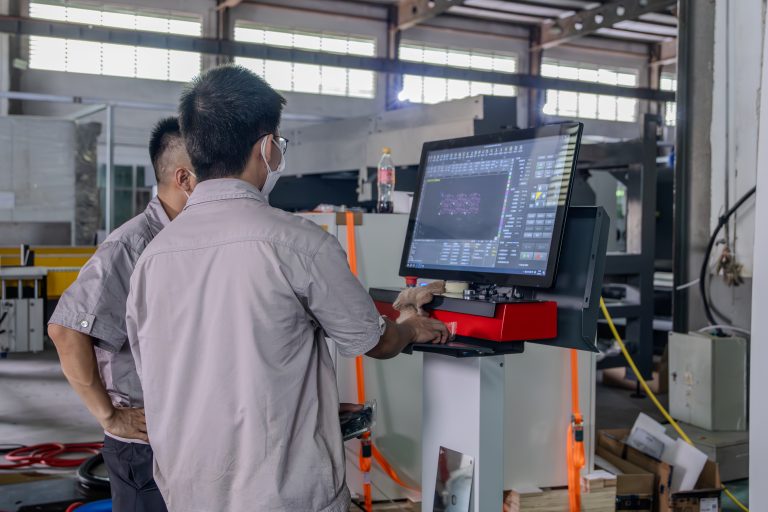
Automation plays a major role in tube laser cutting systems. Features such as automatic tube loading, CNC control, and integrated software reduce the need for manual intervention.
Cost Comparison: Tube Laser vs Traditional Processing
When evaluating equipment investment, many manufacturers initially focus on machine price. Traditional tube processing machines may appear less expensive than a tube laser cutting machine. However, long-term production costs often tell a different story.
Equipment Investment
Traditional processing may require several machines, including saws, drills, and punching systems. Although each machine is relatively affordable, the total investment can add up quickly.
A tube laser cutting system typically combines multiple functions into a single machine.
Labor Costs
Traditional tube processing usually requires more operators to manage different machines and setups. In contrast, tube laser cutting systems often run with minimal supervision.
Production Efficiency
Because tube laser cutting reduces processing steps and setup time, manufacturers can produce more parts within the same timeframe. Higher productivity directly improves overall profitability.
When Should Manufacturers Upgrade to Tube Laser Cutting?
While traditional tube processing may still be suitable for simple applications, many manufacturers are choosing to upgrade to laser tube systems as production demands grow.
Companies may benefit from switching to fiber laser tube technology if they:
Produce complex tube components
Need faster production cycles
Want to reduce labor costs
Aim to improve product consistency
Plan to expand their manufacturing capabilities
For fabrication shops that frequently process metal tubes, investing in advanced laser tube solutions can provide a significant competitive advantage.
Conclusion
Both traditional tube processing and laser tube technology play important roles in metal fabrication. However, as manufacturing continues to evolve, many companies are discovering that fiber laser tube systems offer greater flexibility, higher precision, and improved production efficiency compared with conventional methods.
By integrating multiple operations into a single automated process, laser tube systems help manufacturers simplify production workflows, reduce labor costs, and handle increasingly complex tube designs. For fabrication shops looking to stay competitive in today’s fast-moving manufacturing environment, upgrading to advanced laser tube solutions can be a valuable long-term investment.
If your business is exploring ways to improve tube processing efficiency, adopting modern laser tube systems may be the next step toward smarter and more productive manufacturing.