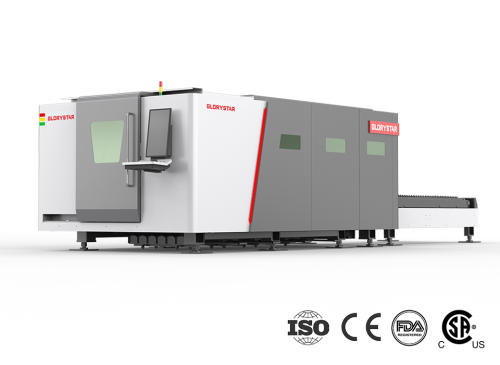
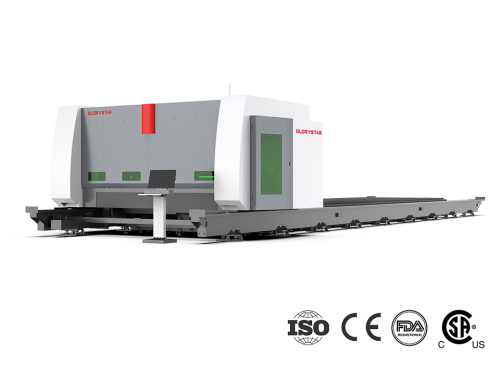
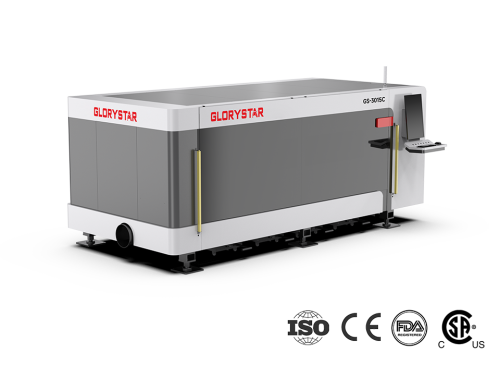
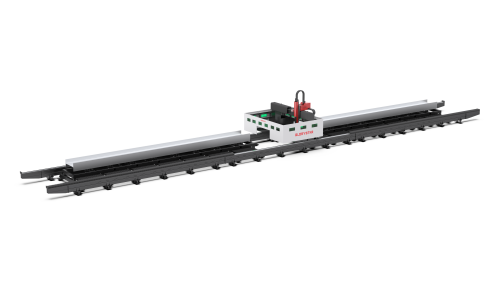
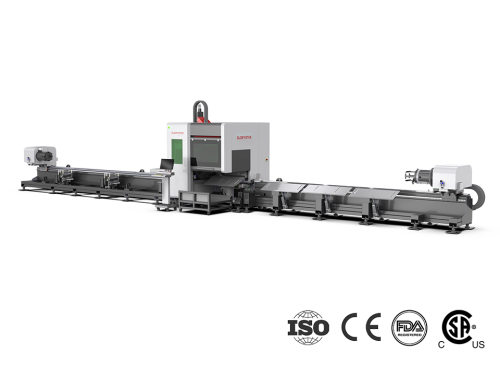
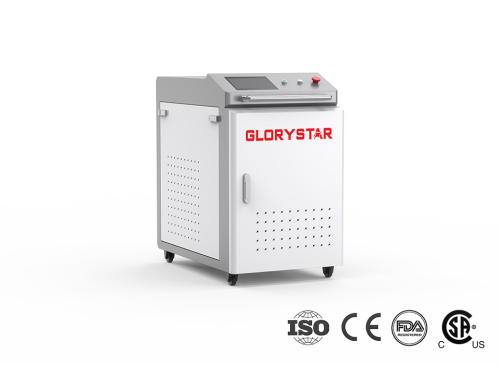
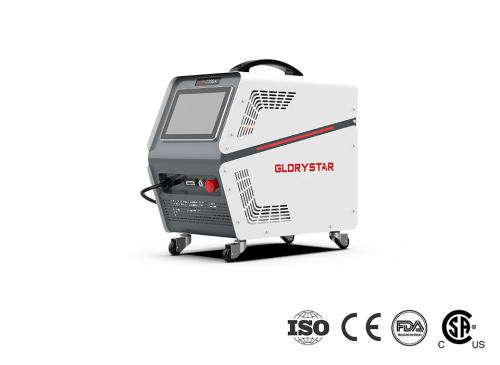
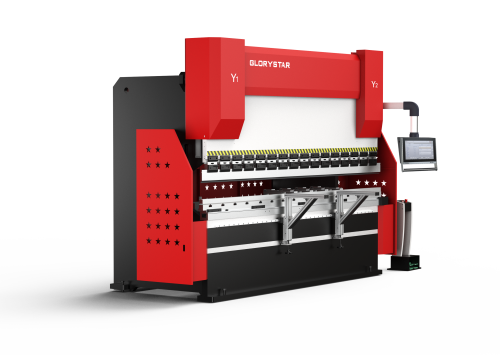
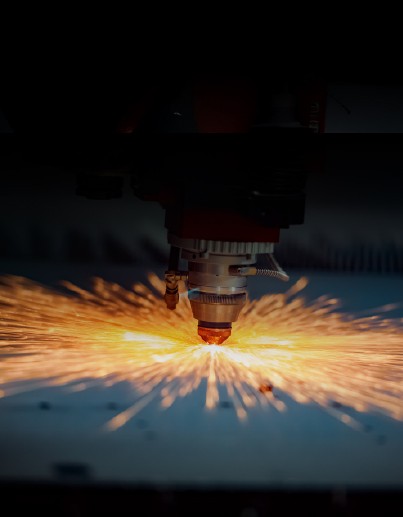
In modern metal fabrication, manufacturers are constantly searching for faster, cleaner, and more efficient processing solutions. As industries such as construction, kitchen equipment, automotive parts, elevator manufacturing, and industrial machinery continue to grow, laser technology has become one of the most important production tools in the metalworking industry. Today, a stainless steel laser cutter plays a critical role in helping factories improve productivity, reduce operating costs, and achieve higher cutting precision.
Compared with traditional cutting methods, fiber laser technology offers significant advantages in speed, automation, edge quality, and long-term operating efficiency. Whether processing thin decorative sheets or thick industrial plates, choosing the right laser system can directly influence production quality and profitability.
Why Fiber Laser Technology Is Ideal for Stainless Steel
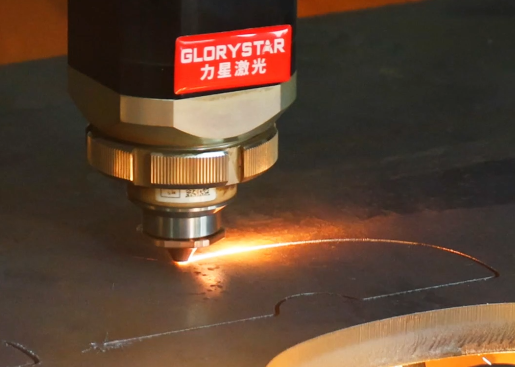
Stainless steel is widely used because of its durability, corrosion resistance, and attractive surface finish. However, it also requires stable cutting performance and high precision during processing. Fiber laser technology is particularly suitable for stainless steel because it delivers concentrated energy with excellent cutting accuracy and minimal thermal deformation.
A modern stainless steel laser cutter can produce smooth cutting edges while reducing burr formation and secondary polishing requirements. This allows manufacturers to improve production efficiency and maintain more consistent product quality across large production volumes.
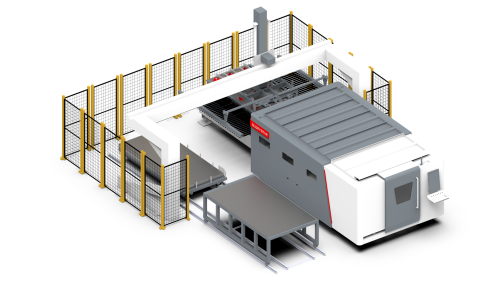
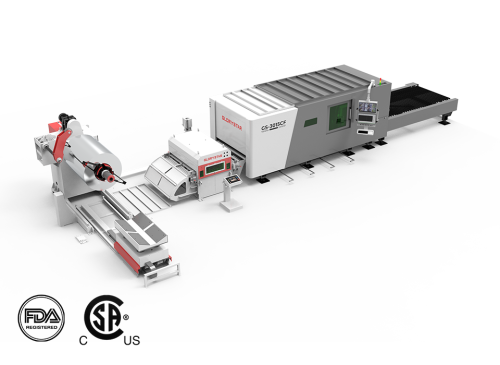
Another important advantage of fiber laser systems is their compatibility with automation. Many factories now integrate automatic loading and unloading systems, intelligent nesting software, and smart production management solutions to reduce labor costs and improve workflow efficiency.
Compared with older cutting technologies, fiber laser systems also consume less energy and require lower maintenance, making them a more cost-effective solution for long-term industrial production.
What Thickness Can a Fiber Laser Cut?
One of the most common questions manufacturers ask before purchasing equipment is how thick stainless steel can be processed with a fiber laser cutting machine. In reality, cutting capability depends on several important factors, including laser power, gas selection, cutting speed, and machine stability.
Lower-power laser systems are usually suitable for thin stainless steel sheets that require high cutting precision and smooth edge quality. Medium-power systems are commonly used in general fabrication industries where manufacturers process a wide range of metal thicknesses every day. High-power fiber laser machines are designed for thick stainless steel plates and heavy industrial applications where cutting speed and production efficiency are critical.
As laser technology continues to improve, modern fiber laser machines can now process thicker stainless steel materials with better edge quality and faster speeds than ever before. A high-performance stainless steel laser cutter also gives manufacturers greater flexibility when handling different production requirements without constantly changing equipment.
How to Choose the Right Laser Power
Selecting the correct laser power is one of the most important decisions for manufacturers investing in laser equipment. Many buyers assume higher power is always better, but the best solution depends on actual production needs.
For companies mainly processing thin stainless steel sheets, lower-power machines may already provide sufficient cutting quality while keeping investment and operating costs under control. These systems are commonly used in industries such as decorative metal fabrication, advertising signs, and light sheet metal processing.
Manufacturers handling medium-thickness stainless steel often prefer medium-power fiber laser systems because they provide a balance between speed, cutting quality, and overall efficiency. This configuration is widely used in general industrial fabrication.
High-power laser systems are more suitable for factories processing thick stainless steel plates or large production volumes. These machines significantly improve cutting speed and help reduce production time for demanding industrial applications.
When choosing a stainless steel laser cutter, manufacturers should also consider future business growth and automation requirements rather than focusing only on current production needs.
Nitrogen vs Oxygen for Stainless Steel Cutting
Assist gas selection has a major influence on cutting quality, surface finish, and operating cost during stainless steel processing.
Nitrogen is widely used when manufacturers require clean, bright cutting edges without oxidation. This gas helps produce high-quality surface finishes and is especially suitable for industries where product appearance is important, such as kitchen equipment, medical devices, and decorative metal products.
Oxygen, on the other hand, is often used in applications where production cost and cutting efficiency are more important than cosmetic edge quality. It is commonly selected for thicker materials and heavy industrial production environments.
Understanding the differences between nitrogen and oxygen allows manufacturers to optimize both cutting performance and operating efficiency. A professional stainless steel laser cutter should provide stable gas control to ensure consistent cutting results across different materials and thicknesses.
Common Stainless Steel Laser Cutting Problems
Even advanced laser systems may experience cutting issues if machine settings are not properly optimized.
One common problem is yellow or burned cutting edges. This is usually caused by incorrect gas pressure, poor focus positioning, or excessive heat accumulation during processing.
Burr formation is another issue that manufacturers often encounter. Burrs can result from unstable cutting speed, worn nozzles, or improper gas flow. Regular machine maintenance and parameter adjustments are essential for maintaining good cutting quality.
Some manufacturers also experience rough cutting surfaces or dimensional inaccuracies. These problems may be related to vibration, insufficient machine stability, or incorrect calibration settings.
Thin stainless steel sheets can also deform if heat concentration becomes too high during cutting. Optimizing cutting paths and improving cooling control can help reduce this issue significantly.
A reliable stainless steel laser cutter with stable machine structure and intelligent control systems can greatly reduce these common production problems while improving overall manufacturing consistency.
How to Improve Edge Quality and Precision
Improving cutting quality requires more than simply increasing laser power. Manufacturers should focus on several important production details that directly affect edge smoothness and dimensional accuracy.
Proper nozzle selection is essential because nozzle condition directly influences gas flow stability and cutting performance. Focus calibration must also remain accurate to ensure consistent laser energy concentration during processing.
Stable gas pressure, clean optical components, and suitable cutting speeds are equally important. Regular lens cleaning and preventive machine maintenance help maintain stable production quality over long operating periods.
Modern fiber laser cutting systems also include intelligent monitoring functions that allow operators to adjust cutting parameters more efficiently and reduce production errors.
How to Choose the Best Stainless Steel Laser Cutter
Choosing the right machine involves much more than comparing equipment prices. Manufacturers should evaluate machine stability, automation compatibility, software performance, after-sales support, and long-term operating costs before making a purchasing decision.
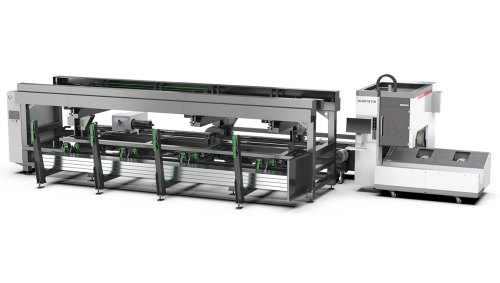
For growing factories, automation capability has become increasingly important. Machines equipped with automatic loading systems, intelligent nesting software, and tube cutting functions can significantly improve production efficiency while reducing labor requirements.
Local technical support and spare parts availability are also critical factors for minimizing downtime and maintaining continuous production.
A high-quality stainless steel laser cutter should not only deliver strong cutting performance today but also support future production expansion and smart factory upgrades.
Future Trends in Stainless Steel Laser Cutting
The future of stainless steel processing is moving toward higher automation, greater efficiency, and smarter manufacturing systems. More factories are adopting intelligent fiber laser technology that integrates automated material handling, real-time monitoring, and AI-based production optimization.
At the same time, manufacturers are paying closer attention to energy efficiency and labor reduction as operating costs continue to rise worldwide. Fiber laser technology continues to evolve rapidly, allowing companies to achieve faster cutting speeds, higher precision, and more stable production performance.
As global manufacturing becomes increasingly competitive, investing in advanced laser technology will play an important role in improving efficiency and maintaining long-term market competitiveness. A modern stainless steel laser cutter is no longer simply a cutting tool — it has become an essential part of intelligent metal fabrication and future industrial production.