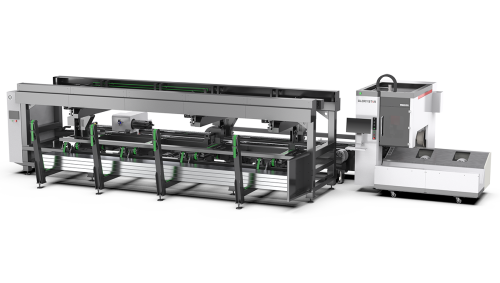
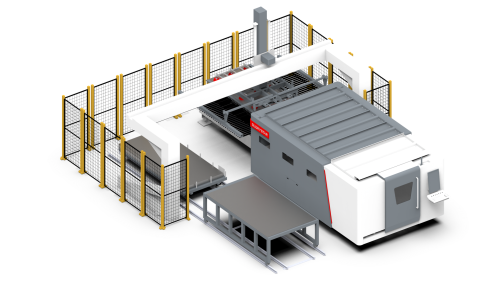
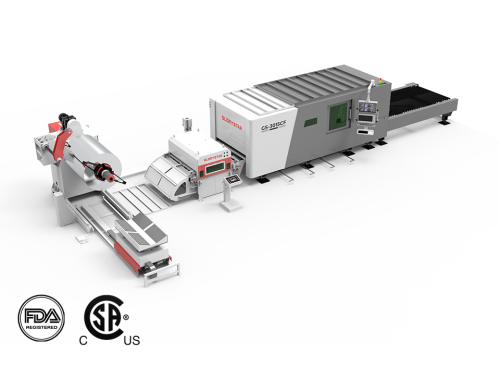
Choosing the right tube laser cutting machine involves more than comparing laser power or cutting speed. Chuck configuration is another important factor that directly affects tube clamping, feeding, processing stability, and material utilization.
Single chuck, dual chuck, and triple chuck machines are designed for different production requirements. Understanding how they work can help metal fabricators select suitable equipment, reduce material waste, and improve manufacturing efficiency.
1. What Is a Chuck in a Tube Laser Cutting Machine?
A chuck is a mechanical clamping device that holds and rotates metal tubes during laser cutting. It keeps the workpiece in position while allowing the machine to process different sides of the tube.
Depending on the machine design, chucks may also move along the machine bed to feed the tube and transfer it between different clamping positions.
The number of chucks determines how the tube is supported and handled during processing. However, more chucks do not automatically mean better performance. The machine's mechanical design, chuck movement, and control system also play important roles.
2. What Is the Difference Between Single, Dual, and Triple Chuck Machines?
Single Chuck Tube Laser Cutting Machine
A single chuck tube laser cutting machine uses one main chuck to hold and rotate the tube. A feeding mechanism or auxiliary support system helps position the material for cutting.
Its relatively simple structure makes it suitable for basic tube processing applications where production requirements and workpiece handling are less demanding.
Key characteristics:
Simple mechanical structure.
Basic tube clamping and rotation.
Suitable for selected tube sizes and production tasks.
Processing length and material handling depend heavily on the feeding and support design.
For workshops with straightforward cutting requirements, a single chuck configuration may provide a practical entry-level solution.
Dual Chuck Tube Laser Cutting Machine
A dual chuck tube laser cutting machine uses two chucks to hold and handle the tube. The front and rear chucks work together to feed, rotate, and position the material during processing.
Compared with a single chuck design, the two-chuck configuration provides more flexibility in tube handling and supports continuous processing operations.
Key characteristics:
Coordinated clamping and feeding.
Better control of tube positioning during processing.
Suitable for a wide range of conventional tube fabrication tasks.
Short-tail cutting capabilities depending on the machine design.
Dual chuck machines are commonly used in metal fabrication workshops that process round tubes, square tubes, and rectangular profiles in regular production batches.
Triple Chuck Tube Laser Cutting Machine
A triple chuck tube laser cutting machine adds a third chuck to the conventional dual-chuck arrangement. The three chucks coordinate their movements to maintain workpiece support and transfer clamping positions during cutting.
One of its main advantages is the ability to reduce residual material at the end of a tube. Through coordinated chuck movement and handover, the machine can continue processing sections that may be difficult to reach with conventional configurations.
Key characteristics:
Three-chuck coordinated operation.
Improved workpiece support during specific processing stages.
Reduced residual material with suitable machine designs.
Better handling flexibility for demanding tube processing applications.
Triple chuck machines are particularly useful for manufacturers who want to improve material utilization and process longer or more demanding tube workpieces.
3. Single Chuck vs. Dual Chuck vs. Triple Chuck: Key Differences
Comparison
Single Chuck
Dual Chuck
Triple Chuck
Chuck quantity
1
2
3
Clamping method
Single-point main clamping
Coordinated two-chuck clamping
Multi-chuck coordinated clamping
Tube feeding
Depends on auxiliary feeding system
Two-chuck feeding
Multi-chuck transfer and feeding
Processing flexibility
Basic
Higher
Higher for demanding applications
Residual material control
Depends on design
Short-tail cutting options
Zero-tail cutting options on suitable models
Mechanical complexity
Relatively simple
Moderate
More complex
Typical application
Basic tube cutting
General tube fabrication
High material utilization and demanding tube processing
It is important to note that cutting accuracy and production speed are not determined by chuck quantity alone. Chuck precision, machine rigidity, servo performance, and cutting parameters all influence the final results.
4. How Does Chuck Configuration Affect Material Waste?
Material utilization is an important consideration for tube fabrication businesses, especially when processing large production batches or expensive metal materials.
During tube cutting, the machine must maintain a secure grip on the workpiece. As the cutting process approaches the end of the tube, the remaining material may become too short for the conventional chuck to hold safely.
This creates residual material that cannot be fully processed.
A dual chuck machine can support short-tail cutting through coordinated chuck movement, but a certain amount of material may still need to remain for clamping.
A triple chuck machine can use an additional chuck to transfer the workpiece between clamping positions. This allows the machine to maintain support while processing more of the remaining tube.
Depending on the machine's structure and processing conditions, this can significantly reduce residual material and improve material utilization.
For manufacturers processing tubes in large quantities, reducing waste on individual workpieces can create meaningful savings over time.
5. Which Tube Laser Cutting Machine Should You Choose?
The right configuration depends on your actual production requirements rather than the number of chucks alone.
For basic tube cutting: A single chuck machine may be sufficient for simpler processing tasks.
For general metal fabrication: A dual chuck machine offers a practical balance of processing flexibility, efficiency, and equipment investment.
When material efficiency matters: A triple chuck machine is a smart choice for manufacturers looking to minimize residual material and reduce waste.
For long and heavy tubes: Evaluate chuck load capacity, machine rigidity, tube support, and feeding design. A triple chuck configuration may provide advantages, but the overall machine specifications remain essential.
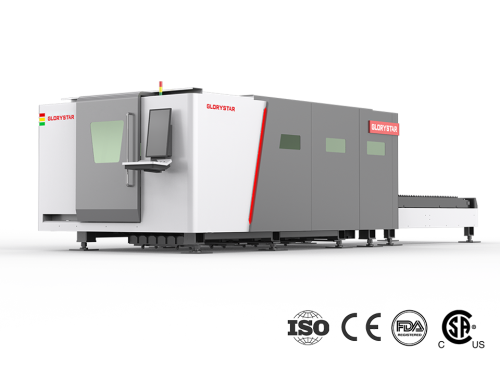
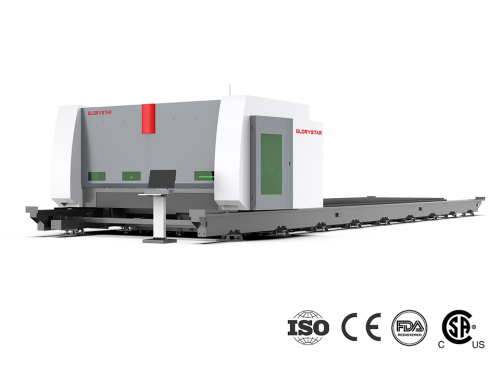
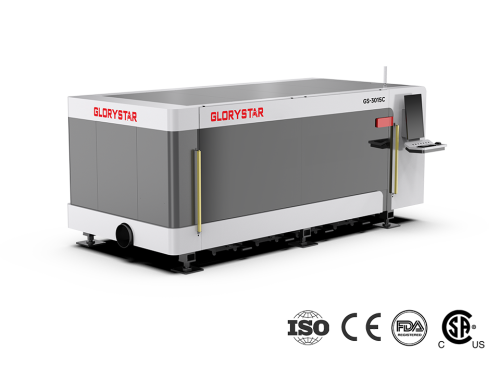
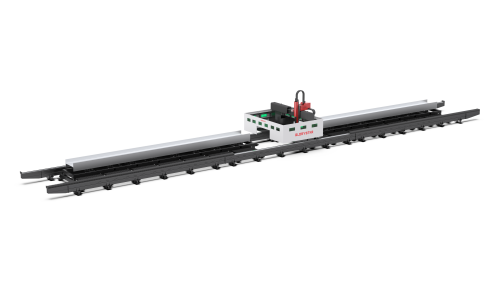
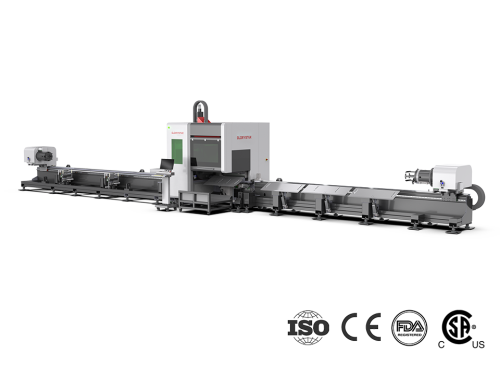
For example, Glorystar offers different tube laser cutting solutions for different production needs. The GS-TG series features dual-chuck configurations, while the GS-HG series provides triple-chuck solutions. For larger and heavier workpieces, the NS-HG heavy-duty series is designed for demanding tube processing applications.
Comparing the actual tube diameter range, workpiece weight, positioning accuracy, and residual material performance of each model is more useful than choosing equipment based on chuck quantity alone.
6. Find the Right Glorystar Tube Laser Cutting Solution
Choosing the right tube laser cutting machine can help your business improve production efficiency, manage material costs, and meet different fabrication requirements.
With dual-chuck, triple-chuck, and heavy-duty tube cutting solutions, Glorystar provides options for manufacturers working with different tube sizes, materials, and production demands.
Not sure which configuration suits your workshop? Contact Glorystar to discuss your tube dimensions, material thickness, workpiece weight, and production goals. Our team can help you identify a suitable tube laser cutting solution.