Introduction
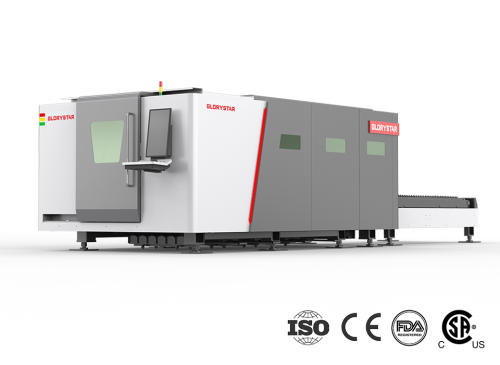
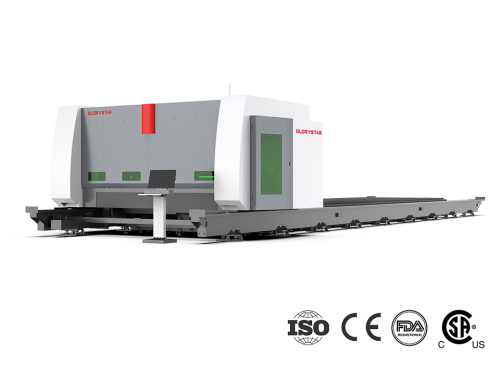
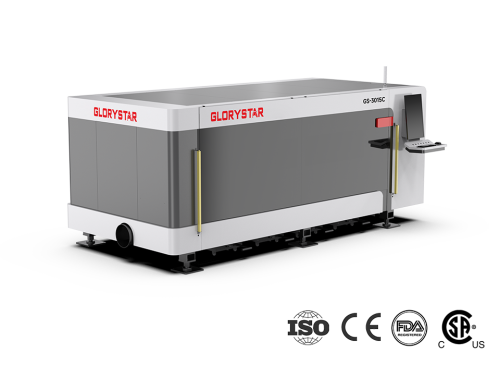
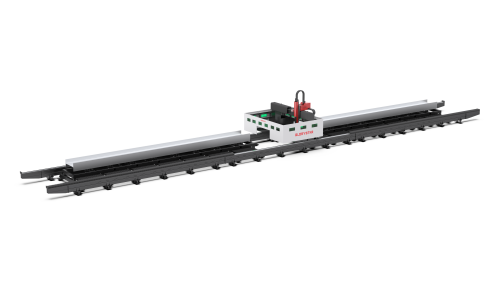
With the rapid development of artificial intelligence (AI), high-performance computing, cloud computing, and data centers, server processing power continues to increase. As computing density grows, the heat generated by servers is becoming more difficult to manage with traditional air cooling methods. To meet these growing cooling demands, manufacturers are increasingly adopting Liquid Cooling Plate Laser Welding Machine technology to produce high-performance liquid cooling plates with improved sealing reliability.
In many high-performance data center applications, conventional cooling solutions are reaching their limits. As a result, liquid cooling technology has become an increasingly important solution for improving thermal management efficiency and maintaining stable server operation.
In a server liquid cooling system, the liquid cooling plate is one of the most critical components. It is responsible for transferring heat away from high-power electronic components through internal cooling channels. Coolant flows through precisely designed channels inside the plate, absorbing heat and maintaining stable operating temperatures.
However, the performance and reliability of a liquid cooling system depend heavily on the manufacturing quality of the cooling plate. During the production process, welding quality directly affects sealing performance, pressure resistance, and long-term reliability.
Problems such as incomplete welding, insufficient penetration, local burn-through, unstable weld seams, or excessive deformation can negatively impact air tightness testing results and may increase the risk of coolant leakage during actual operation.
Therefore, choosing a reliable server liquid cooling plate laser welding machine is essential for manufacturers who need stable production quality and high-performance liquid cooling solutions.
1. Why Do Server Liquid Cooling Plates Require Higher Welding Standards?
Compared with traditional metal components, server liquid cooling plates have much stricter requirements for welding quality.
Most liquid cooling plates are manufactured using thin metal sheets, complex internal channel structures, and long continuous weld seams. These characteristics create significant challenges during the welding process.
First, thin plate materials are more sensitive to heat input. Excessive welding heat can easily cause thermal deformation, warping, or uneven surfaces. Even small deformation issues may affect later assembly accuracy and overall product performance.
Second, liquid cooling plates require excellent sealing performance. The welded areas must withstand internal pressure while preventing any coolant leakage. A small defect in the weld seam may cause air tightness failure during inspection or create hidden leakage risks after delivery.
Common welding problems in liquid cooling plate manufacturing include:
Plate deformation caused by excessive heat accumulation
Warping in long weld seam areas
Burn-through caused by excessive local energy input
Insufficient penetration affecting sealing performance
Unstable welding paths leading to discontinuous welds
Uneven weld appearance affecting product consistency
Additional grinding and correction after welding
For mass production, these issues can lead to increased rejection rates, higher manufacturing costs, and delayed delivery schedules.
2. How Does a Liquid Cooling Plate Laser Welding Machine Improve Air Tightness?
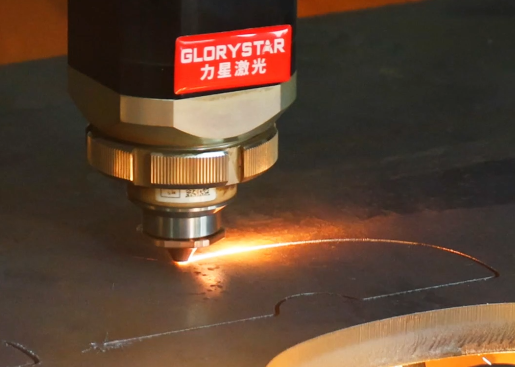
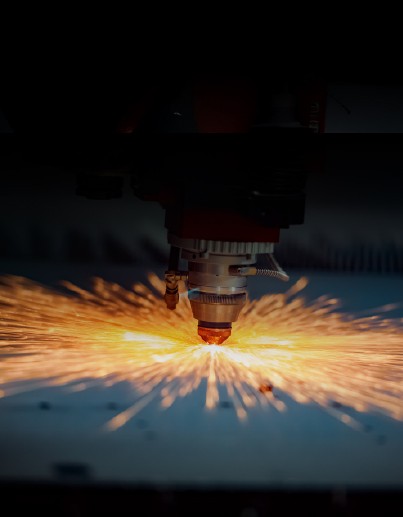
A liquid cooling plate laser welding machine uses advanced laser welding technology to provide more precise and stable welding results compared with traditional welding methods.
The biggest advantage of laser welding is its concentrated energy density. The laser beam can deliver energy accurately to the welding area, creating a strong weld seam while minimizing the heat-affected zone.
A smaller heat-affected zone helps reduce thermal expansion and deformation of thin liquid cooling plates. This is especially important for server cooling plates that require high flatness and dimensional accuracy.
In addition, laser welding equipment can achieve better control of welding parameters, including:
Laser power
Welding speed
Focus position
Welding trajectory
Energy distribution
By optimizing these parameters according to different materials, thicknesses, and product structures, manufacturers can achieve more stable penetration depth and consistent weld quality.
For server liquid cooling plates, continuous and uniform weld seams are essential for maintaining air tightness. A stable welding process helps reduce defects such as incomplete welding, weak welding points, and micro leakage channels.
After welding, the liquid cooling plate usually requires less secondary processing. A more uniform weld seam and improved surface quality can reduce the need for manual grinding, correction, and finishing, helping manufacturers improve production efficiency.
3. What Benefits Can Stable Welding Performance Bring to Manufacturers?
In liquid cooling plate production, welding quality directly influences product reliability and manufacturing efficiency.
For manufacturers producing large quantities of server cooling plates, unstable welding processes may result in repeated air tightness failures. This increases costs through additional inspection, repair, rework, and material waste.
A high-quality server liquid cooling plate laser welding machine can provide several important advantages:
Improve Weld Seam Consistency
Laser welding enables precise control of welding energy and movement paths, helping maintain consistent weld quality across different production batches.
Reduce Leakage Risks
Stable penetration and continuous welding reduce potential weak points in the weld seam, improving the sealing performance of liquid cooling plates.
Minimize Product Deformation
Lower heat input helps reduce plate warping and maintains better dimensional accuracy.
Improve Production Efficiency
Less grinding, correction, and manual adjustment after welding can shorten production cycles and reduce labor costs.
Enhance Mass Production Stability
For large-scale manufacturing, equipment stability and repeatable welding performance are important factors in maintaining consistent product quality.
By improving welding reliability, manufacturers can provide liquid cooling solutions with better durability and long-term operational performance.
4. What Should Manufacturers Consider When Selecting a Server Liquid Cooling Plate Laser Welding Machine?
Choosing the right laser welding equipment requires a comprehensive evaluation based on product requirements and production conditions.
Manufacturers should consider the following factors:
1. Liquid Cooling Plate Material
Different materials have different thermal conductivity and welding characteristics. The welding system should be compatible with materials such as aluminum, copper, or stainless steel according to application requirements.
2. Plate Thickness
The thickness of the liquid cooling plate affects laser power selection, welding speed, and penetration requirements.
3. Workpiece Size
Large-format cooling plates require suitable working areas and stable positioning systems.
4. Internal Channel Design
Complex channel structures may require optimized welding paths and precise motion control.
5. Total Weld Seam Length
Long weld seams require stable equipment performance to maintain consistent welding quality throughout the entire process.
6. Air Tightness and Pressure Requirements
Different applications have different sealing standards. The welding process should meet required pressure resistance and leakage testing requirements.
7. Post-Welding Flatness Requirements
For precision cooling applications, maintaining plate flatness is important for assembly and system integration.
8. Production Capacity
Manufacturers should evaluate whether the equipment can meet daily production volume and future expansion needs.
9. Multi-Model Compatibility
Flexible equipment that supports different cooling plate designs can help manufacturers improve production adaptability.
5. Applications of Liquid Cooling Plate Laser Welding Technology
With the increasing demand for efficient thermal management, liquid cooling technology is expanding beyond traditional server applications.
A liquid cooling plate laser welding machine can also be used in various industries, including:
Data center liquid cooling systems
Energy storage cooling plates
Battery pack liquid cooling systems
New energy vehicle thermal management systems
High-power electronic equipment cooling solutions
These applications all require reliable sealing performance, precise welding quality, and stable production processes.
Conclusion
As data center computing power continues to grow, the demand for high-performance liquid cooling solutions will continue increasing. The welding quality of liquid cooling plates plays a key role in ensuring system reliability, sealing performance, and long-term operation.
A reliable server liquid cooling plate laser welding machine helps manufacturers improve weld consistency, reduce deformation, lower leakage risks, and achieve more stable mass production.
For companies developing liquid cooling solutions, investing in advanced laser welding technology is not only a way to improve manufacturing efficiency but also an important step toward producing safer and more reliable thermal management products.
Glory Laser provides customized liquid cooling plate laser welding solutions based on different materials, structures, and production requirements. Through sample testing and process optimization, manufacturers can achieve better welding performance and improve overall product competitiveness.